Penn State measured position-specific C and N isotopes of β-alanine in Bennu samples and Murchison
Researchers compared β-alanine from asteroid Bennu regolith with the Murchison meteorite: carbon isotope patterns inside the molecule are similar, but absolute values differ.
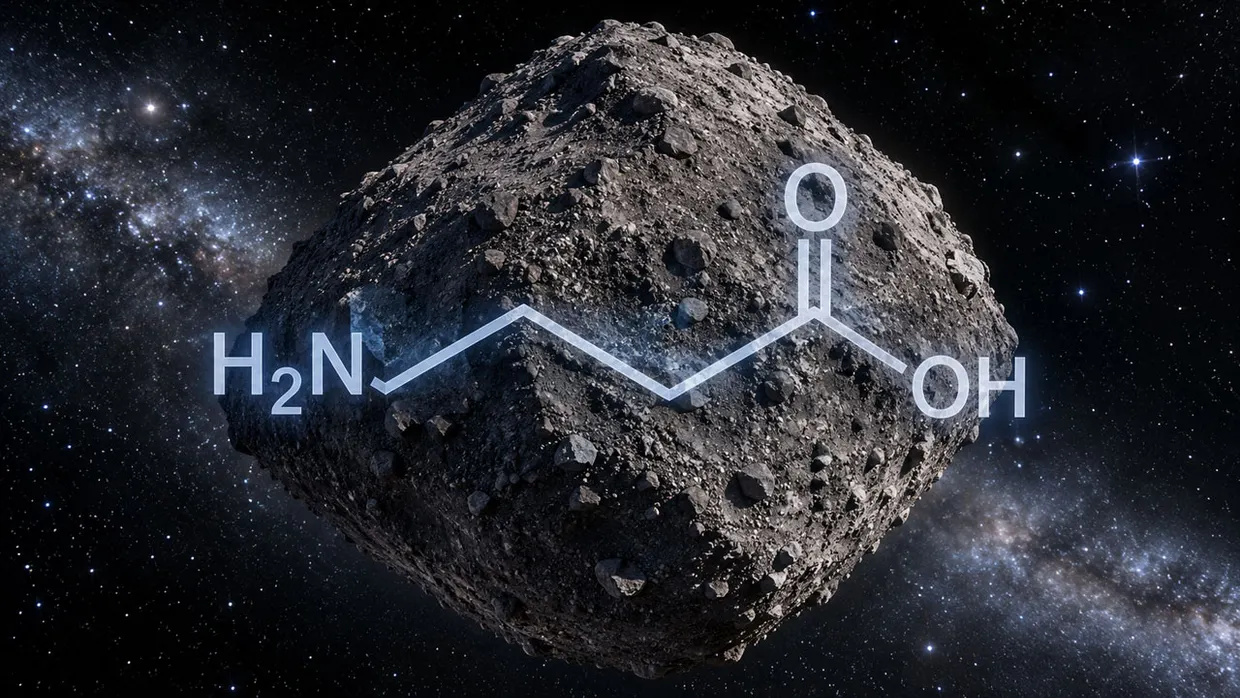
A team led by Ophélie McIntosh at Pennsylvania State University measured nitrogen and intramolecular carbon isotopes of β-alanine in regolith from the asteroid (101955) Bennu and in the Murchison meteorite, according to a paper in Communications Earth & Environment on nature.com nature.com
nature.comnature.comOpen source ↗. The Bennu material was delivered to Earth by NASA's OSIRIS-REx mission. The authors, who also work at the University of Texas at Austin, NASA Goddard and other institutions, say this is the first analysis of nitrogen and position-specific carbon isotopes in alanine from such samples.
Measurements by atomic position
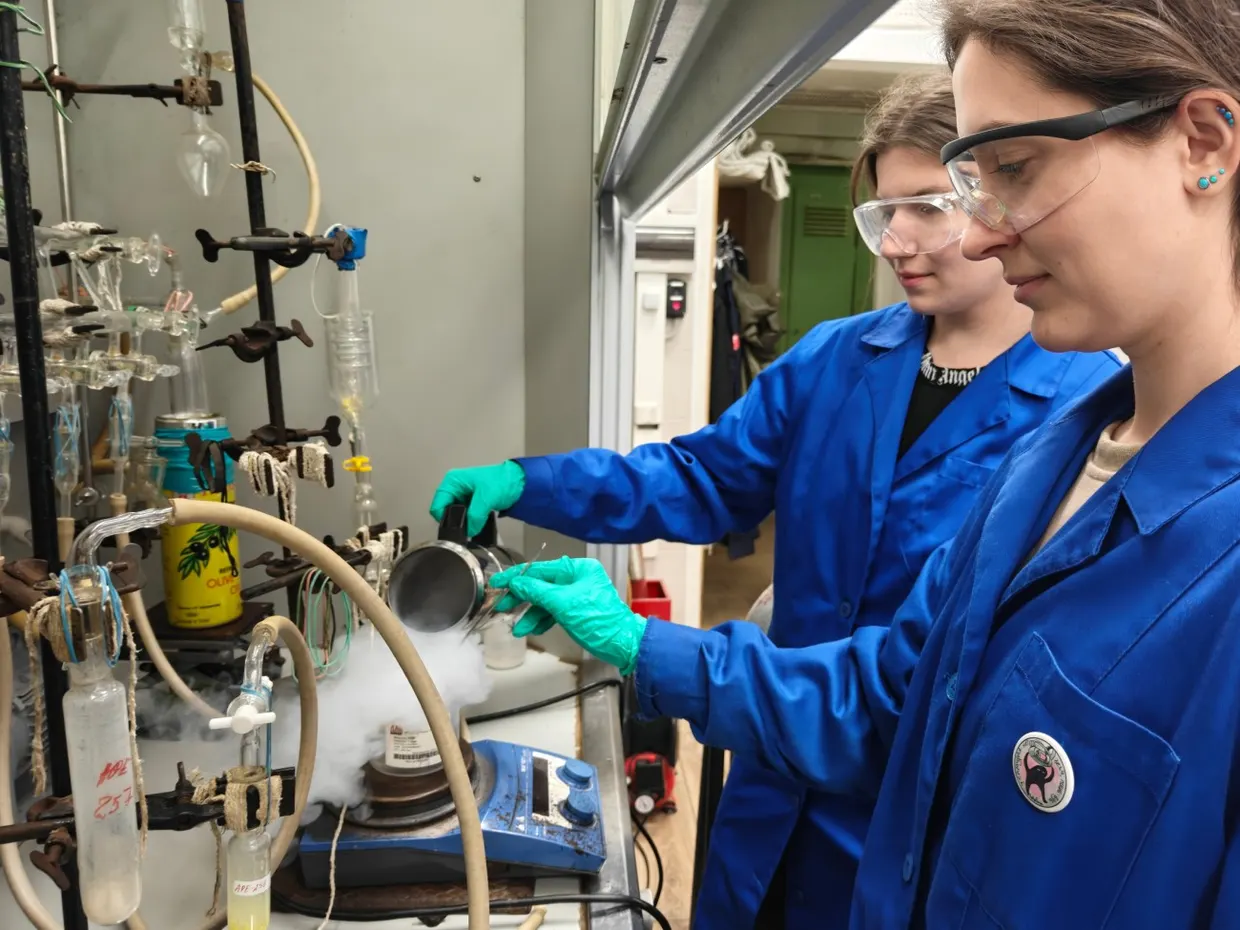
Most isotope analyses give one average value per molecule. The Penn State group used a method that resolves the carbon isotope composition by position in the molecule. The measurements were made with the pico-CSIA instrument, which the university says exists only there, and a GC-Orbitrap gas chromatograph. The Murchison sample came from the meteorite that fell in Australia in 1969.
For Bennu, the authors report δ13C of 363 ± 29‰ in the carboxyl (COOH) carbon, −163 ± 13‰ for the averaged Cα + β carbons, and δ15N of 170 ± 4‰. For Murchison the values are 111 ± 22‰, −44 ± 10‰ and 63 ± 4‰. The COOH carbon differs from the averaged Cα + β carbons by 526 ± 32‰ in Bennu and 155 ± 24‰ in Murchison.
Similar pattern, different values
The two samples show similar intramolecular isotope distributions, which the authors consider consistent with a common synthetic route nature.com
nature.comnature.comOpen source ↗. Yet their position-specific values differ markedly: by 252 ± 36‰ for COOH carbon, 119 ± 16‰ for Cα + β carbons and 107 ± 6‰ for nitrogen. According to the authors, these differences are difficult to reconcile with recognized parent-body processes.
They suggest that nitrogen and intramolecular carbon isotope measurements could provide direct geochemical evidence of spatial heterogeneity in organic synthesis across the protoplanetary disk. They also see them as new constraints on the chemical environments and precursor reservoirs that gave rise to extraterrestrial amino acids.
β-alanine is not one of the 20 protein-forming amino acids, but it takes part in biochemical processes and is abundant in space. The same group earlier applied intramolecular analysis to glycine from Bennu. That study indicated it may have formed in a cold environment.