Leibniz-HKI in Jena links blood protein albumin to persistent vaginal candidiasis symptoms
Researchers in Jena report that albumin makes Candida albicans produce more Sap1 and amplifies inflammation. The finding helps explain symptoms but does not yet yield a treatment.
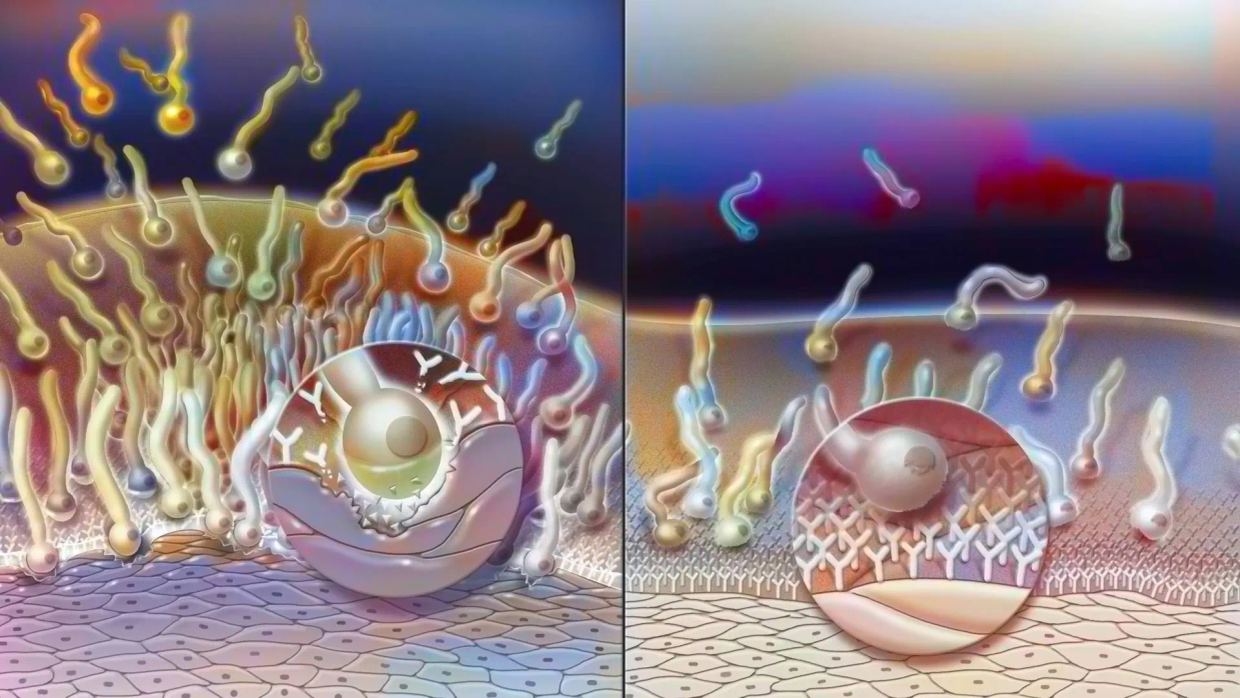
Researchers at the Leibniz Institute for Natural Product Research and Infection Biology – Hans Knöll Institute (Leibniz-HKI) in Jena have identified a mechanism that may explain persistent symptoms of vaginal candidiasis, Lomazoma reports. The results were published in Nature Communications. lomazoma.com
Lomazomalomazoma.comOpen source ↗
Vulvovaginal candidiasis is one of the most common infections in women: an estimated 70 to 75 percent are affected at least once in their lives. In some women it keeps returning and causes lasting itching, burning and pain. lomazoma.com
Lomazomalomazoma.comOpen source ↗
Albumin and the immune response
The infection is usually caused by the yeast Candida albicans. The symptoms come not only from the fungus itself but mainly from the reaction of the immune system. Until now it was unclear why this reaction is especially strong in some women. lomazoma.com
Lomazomalomazoma.comOpen source ↗
The team led by infection researcher Mark S. Gresnigt identified the blood protein albumin as an important factor. Albumin is the most abundant protein in human blood, and the researchers found elevated albumin levels in women with recurrent infections. lomazoma.com
Lomazomalomazoma.comOpen source ↗
When inflammation reaches the surrounding tissue, albumin apparently causes the fungus to produce more of a substance called Sap1. This activates an alarm system in the immune system that further intensifies the inflammation. More immune cells are attracted, which can worsen the symptoms. lomazoma.com
Lomazomalomazoma.comOpen source ↗
Protection of the fungus
At the same time, albumin protects the fungus from an important defense mechanism. Immune cells normally use aggressive oxygen compounds to kill pathogens, and albumin can weaken this effect. As a result, more fungal cells survived in the experiments even though the immune response was stronger. lomazoma.com
Lomazomalomazoma.comOpen source ↗
The researchers therefore suspect a vicious circle: the infection triggers inflammation, more albumin enters the tissue, the inflammation grows stronger, and the fungus survives better. lomazoma.com
Lomazomalomazoma.comOpen source ↗
This does not yet lead to a new treatment. First author Sophie Austermeier said that the development and progression of vulvovaginal candidiasis cannot be attributed to a single factor. According to her, the study adds an important piece of the puzzle: understanding the role of albumin could help explain why inflammation is so severe in some patients yet does not effectively clear the fungus. lomazoma.com
Lomazomalomazoma.comOpen source ↗
The researchers consider it conceivable to block the inflammatory effect of albumin or the signaling pathways behind it. The aim would be to relieve symptoms without weakening the necessary defense against the fungus. lomazoma.com
Lomazomalomazoma.comOpen source ↗