Tohoku University Researchers Propose Explicit Spin Regulation in Heterogeneous Catalysts
Researchers examined 249 electrocatalysis studies to systematize spin effects, establishing a framework to improve chemical reactions.
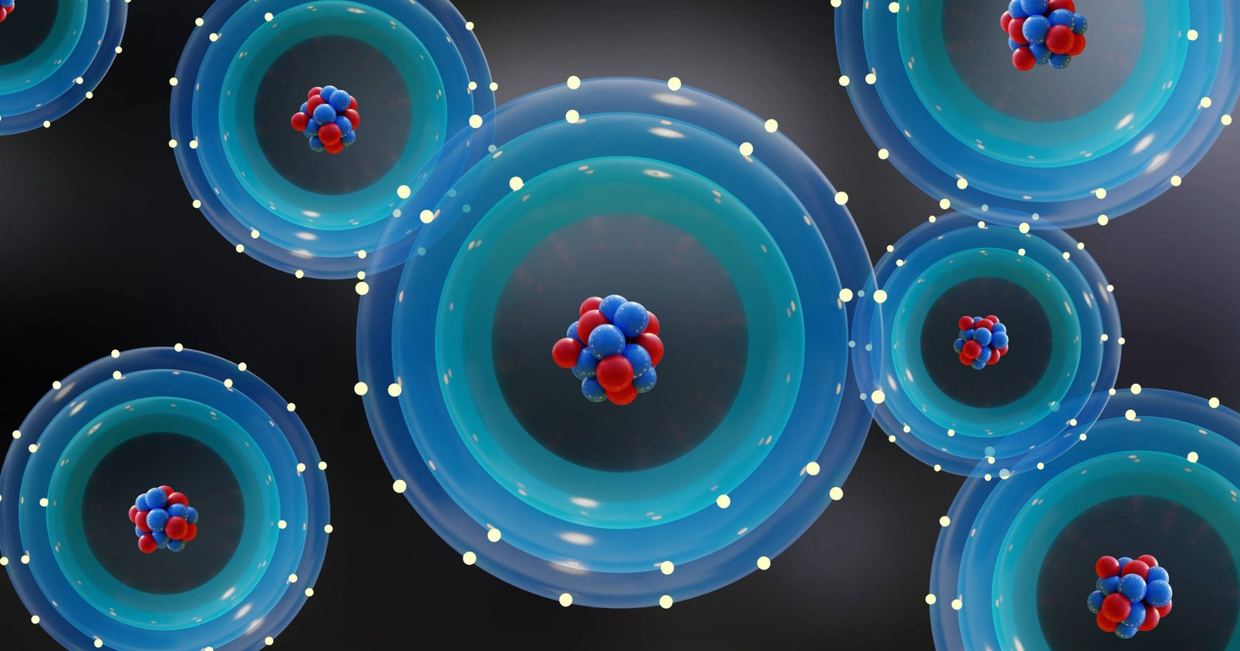
Researchers at Tohoku University's Advanced Institute for Materials Research (WPI-AIMR) published a roadmap proposing an approach known as explicit spin regulation to improve heterogeneous catalysts, as reported by tohoku.ac.jp tohoku.ac.jp
tohoku.ac.jptohoku.ac.jpOpen source ↗. The work, published in Accounts of Materials Research, focuses on linking electron spin states directly to reaction kinetics in chemical synthesis and clean energy processes.
Traditional catalyst optimization relies on altering chemical composition, surface atomic structures, or reaction environments. External magnetic fields are frequently used to boost performance, yet distinguishing spin contributions from thermal changes or mass transport variations remains an experimental challenge tohoku.ac.jp
tohoku.ac.jptohoku.ac.jpOpen source ↗. The proposed explicit spin regulation targets spin properties specifically at the active catalytic centers where reactions occur.
Mechanisms of Spin Control
According to the authors, spin manipulation at reaction sites is achieved through two main pathways: doping the catalyst with specific additives or applying magnetic fields and magnetic components directly during synthesis tohoku.ac.jp
tohoku.ac.jptohoku.ac.jpOpen source ↗. Earlier investigations of cobalt-based ammonia synthesis catalysts indicated that targeted additives facilitate the cleavage of strong nitrogen bonds by modifying local electronic structures.
To gauge the state of the field, the team systematically reviewed 249 electrocatalysis studies published between 2022 and 2026 tohoku.ac.jp
tohoku.ac.jptohoku.ac.jpOpen source ↗. In 53% of these papers, shifts in electron spin or related electronic properties were cited as the primary driver behind observed catalytic gains
tohoku.ac.jp
tohoku.ac.jptohoku.ac.jpOpen source ↗.
Computational Screening and Material Candidates
The authors noted that additional mechanistic confirmation is necessary to prove whether spin alteration directly drives these performance improvements. Validating these pathways requires mapping specific catalytic structural shifts, the resulting electron spin behavior, and their direct influence on individual elementary reaction steps tohoku.ac.jp
tohoku.ac.jptohoku.ac.jpOpen source ↗.
Prior computational screening has already leveraged these spin principles to identify 40 dual-metal-atom catalyst candidates designed for oxygen-related electrochemical reactions tohoku.ac.jp
tohoku.ac.jptohoku.ac.jpOpen source ↗. The researchers aim to combine spin mechanics with broad material datasets to streamline candidate evaluation before conducting physical laboratory tests.