Russian biologists revive a rotifer frozen in Siberian permafrost for 24,000 years
A bdelloid rotifer of the genus Adineta resumed moving, feeding and reproducing after thawing, per a Current Biology study; earlier estimates were 6–10 years of freezing.
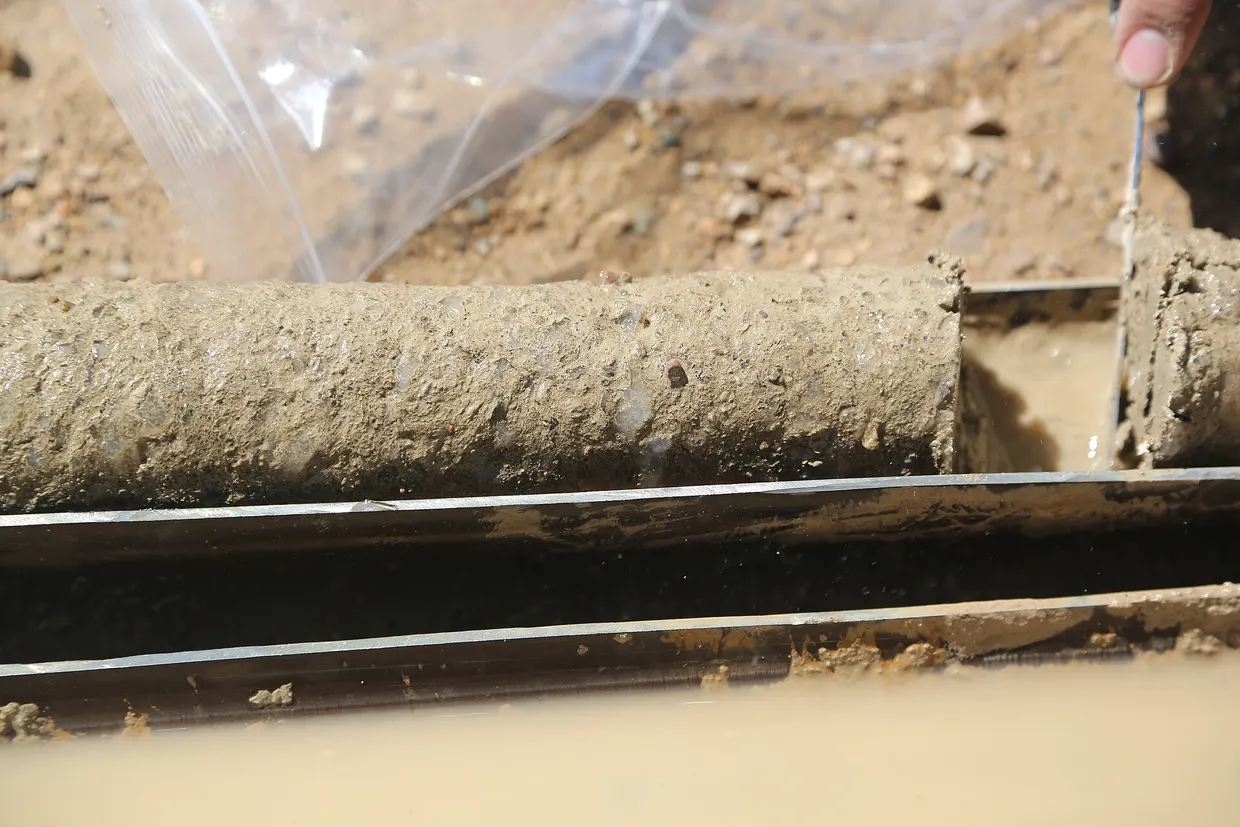
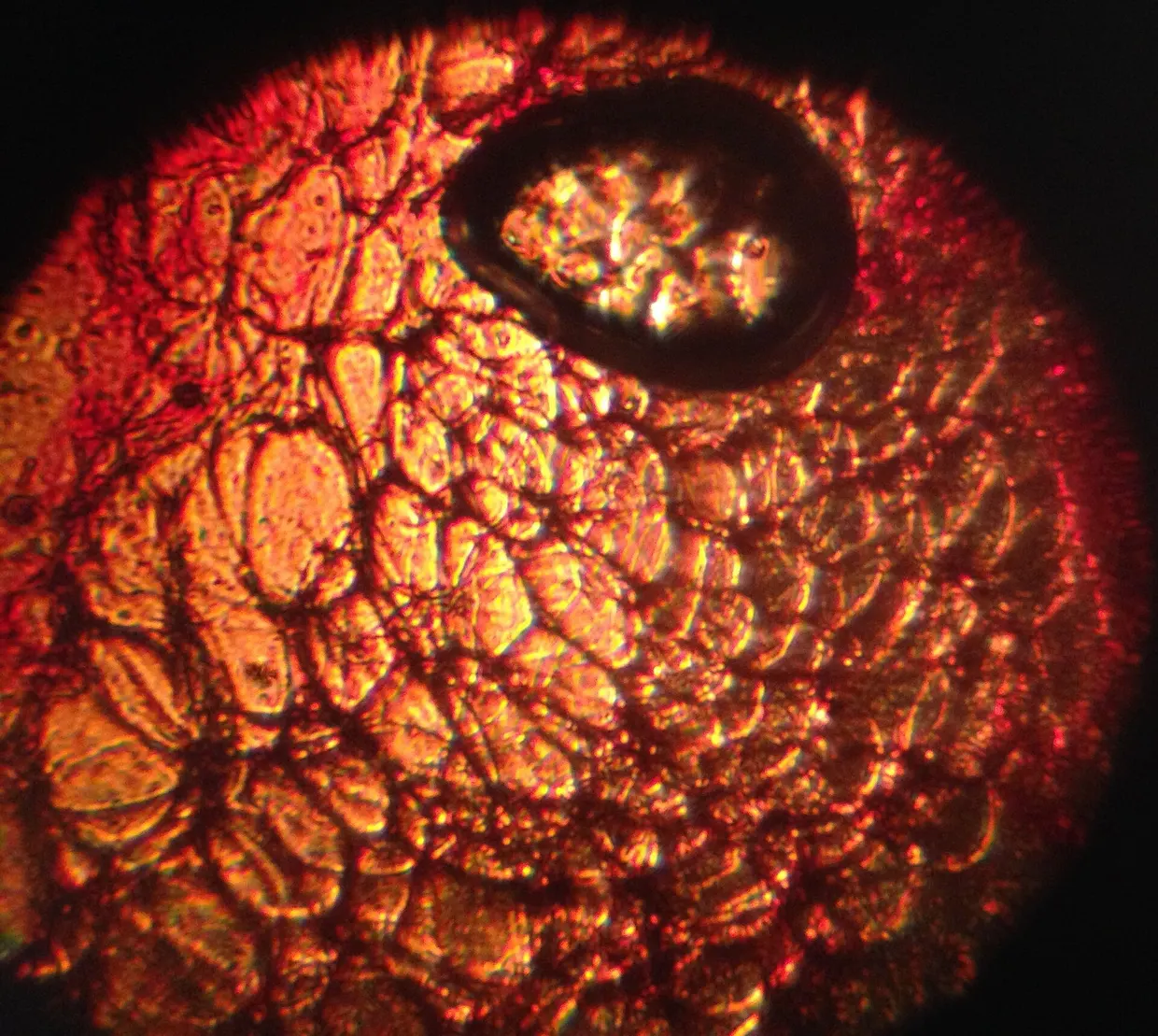
Biologists from the Soil Cryology Laboratory in Pushchino, Russia, revived a microscopic invertebrate that had been trapped in Siberian permafrost since the last glaciation, according to a study in Current Biology, as reported by science-et-vie.com. The work was done in June 2021. The animal, a bdelloid rotifer, spent about 24,000 years frozen before it resumed moving, feeding and reproducing science-et-vie.com
science-et-vie.comscience-et-vie.comOpen source ↗.
Sampling and dating
The team took a frozen soil core at a depth of more than three metres near the Alazeya river in northeastern Siberia. A fragment of permafrost was placed in a dish with a nutrient medium. After a few days the invertebrate, of the genus Adineta, stretched out, began to crawl and filtered its food.
Radiocarbon dating of the organic matter around the animal placed the sample between 23,960 and 24,485 years old, at the end of the last ice age. Until then, these animals were credited with surviving only six to ten years of freezing.
Cryptobiosis and reproduction
Bdelloid rotifers are multicellular animals visible only under a microscope. They tolerate desiccation, starvation, lack of oxygen and freezing. In the cold they enter cryptobiosis, a state in which metabolism drops to a tiny fraction of normal: the animal does not eat, move or reproduce, but does not die science-et-vie.com
science-et-vie.comscience-et-vie.comOpen source ↗.
After thawing, the rotifer reproduced by parthenogenesis, that is, by cloning itself without a partner. It also withstood the formation of ice crystals that accompanies slow freezing, which can tear cell membranes from the inside.
Earlier, nematode worms had resumed activity after 30,000 to 40,000 years of freezing, and a whole plant had been regenerated from 32,000-year-old seeds. The publication notes that going from isolated cells to an animal with an intestine and a nervous system is a new step.
The result is of interest to cryopreservation, the science of preserving living material by cold. The outlet notes that the more complex the organism, the harder this becomes: freezing a living mammal without damage remains out of reach. The next studies are to examine the biochemical mechanisms that allow the rotifer to return intact science-et-vie.com
science-et-vie.comscience-et-vie.comOpen source ↗.