DnrV protein balances doxorubicin synthesis and self-protection; REACT family found in bacteria, fungi, plants
A study with doxorubicin as a model system shows how a VOC-fold protein protects the producer and supports P450 catalysis; similar proteins occur in bacteria, fungi and plants.
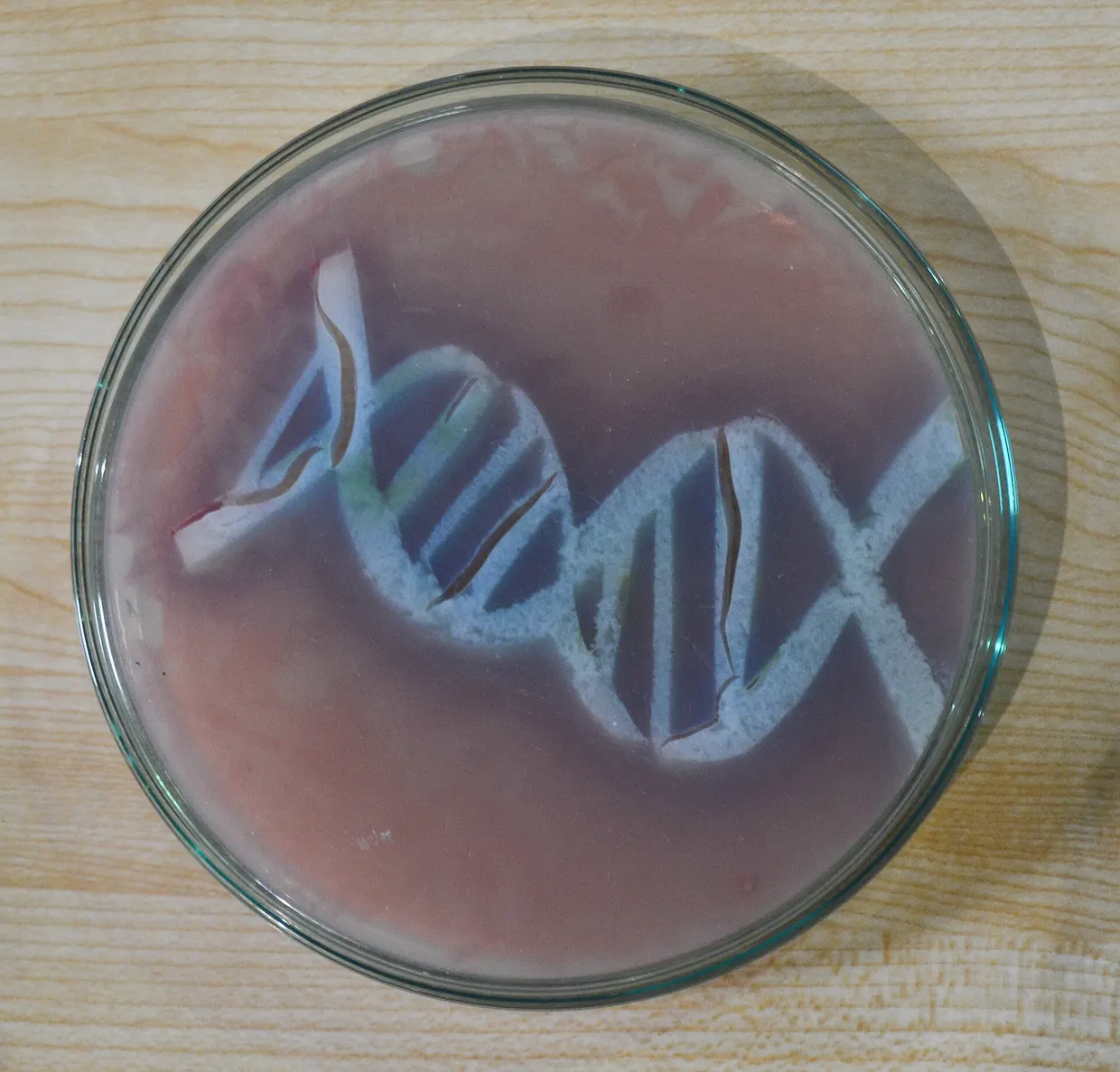
Researchers described a conserved mechanism by which microbes balance the biosynthesis and cytotoxicity of redox-active natural products, according to a study in Science. science.org
Sciencescience.orgOpen source ↗ The authors used the antitumor antibiotic doxorubicin as a model system. Redox-mediated chemistry is central to both the production and the toxicity of many such compounds, but how microbes manage these processes had remained poorly understood.
The mechanism coordinates three redox-mediated processes in secondary metabolite biosynthesis: self-protection, prevention of substrate degradation, and late-stage biosynthesis. The authors report that the vicinal oxygen chelate (VOC) protein DnrV prevents the formation of reactive oxygen species and the degradation of the substrate, while promoting P450 catalysis.
The authors extend this finding to a conserved family of VOC-fold proteins, named redox-associated cytotoxin-binding proteins (REACT). They are found across bacteria, fungi, and plants. According to the authors, REACT proteins are multifunctional: they balance antibiotic assembly, self-protection, and prevention of metabolite destruction.
Sources · 1
Found a mistake?Read also