Neanderthal Thorin from Grotte Mandrin was genetically isolated for 50,000 years, DNA study shows
The genome of a Neanderthal from southern France diverged from other late Neanderthals about 105,000 years ago; the same maternal lineage was found in Belgium.
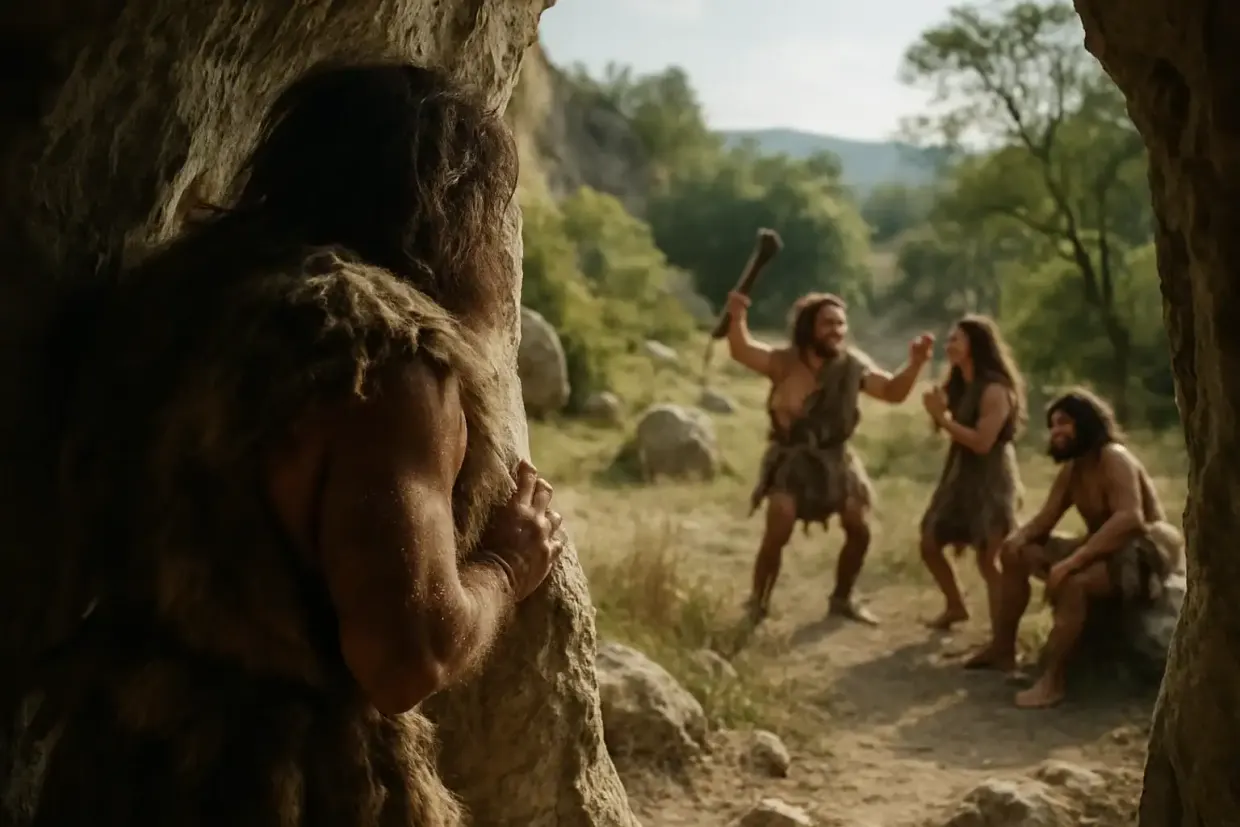
A jawbone dug in 2015 from the sediment of Grotte Mandrin, a limestone cave on the Rhône River in southern France, has led to a revision of how Neanderthals are described, according to ZME Science. Archaeologist Ludovic Slimak and his team later recovered more teeth and bones. The individual was named Thorin and lived between 42,000 and 50,000 years ago, near the end of the Neanderthals' presence in Europe. zmescience.com
ZME Sciencezmescience.comOpen source ↗
Genome of an isolated population
The tools found near the remains differ from those of surrounding regions. They belong to a tradition known as the Post-Neronian II, which is unique to this part of France.
Sequencing showed that Thorin's genome diverged from those of other late Neanderthals around 105,000 years ago. By the authors' estimate, his population spent 50,000 years without exchanging genes with other Neanderthal groups. Whether the separation was maintained by social choices, geography or both remains uncertain.
Around 7% of Thorin's genome consists of long runs of homozygosity, stretches of identical DNA that point to recent inbreeding and a very small group. Comparative DNA modeling also identified at least one other isolated Neanderthal lineage in France at the same time, at Les Cottés. zmescience.com
ZME Sciencezmescience.comOpen source ↗
Maternal lineage across Europe
The closest known genetic relative of Thorin comes from Forbes' Quarry in Gibraltar. Only limited DNA was recovered there, so the exact relationship is unclear.
In June 2026 a study in Nature examined genetic material from 27 Neanderthal remains from Belgium and France. A tooth from Couvin, Belgium, from an individual who lived roughly 45,000 to 50,000 years ago, carried mitochondrial DNA of the same deeply divergent lineage as Thorin's. The authors proposed that this ancestry may once have been widespread across western Europe, possibly including Gibraltar and Poland. Mitochondrial DNA traces only maternal ancestry, and the researchers say higher-quality data are needed to establish how these populations were related.
The team also reconstructed a high-quality genome from a Neanderthal of about 45,000 years ago from Goyet Cave in Belgium. Other late Neanderthal groups kept more genetic diversity and links between communities, and the study found no pattern of progressive genetic deterioration that would explain the extinction of Neanderthals as a whole. Whether isolation played a decisive role in the disappearance of particular populations remains unproven. zmescience.com
ZME Sciencezmescience.comOpen source ↗
No trace of interbreeding between Thorin's group and Homo sapiens was found, although modern humans had visited the cave earlier. Excavation of Grotte Mandrin continues.