AST SpaceMobile unveils Blacklift rocket on Firefly engines, first flight targeted for late 2028
The rocket is designed to carry five BlueBird satellites per launch; its Miranda and Vira engines have over 175 ground hot-fire tests but have not yet flown to orbit.
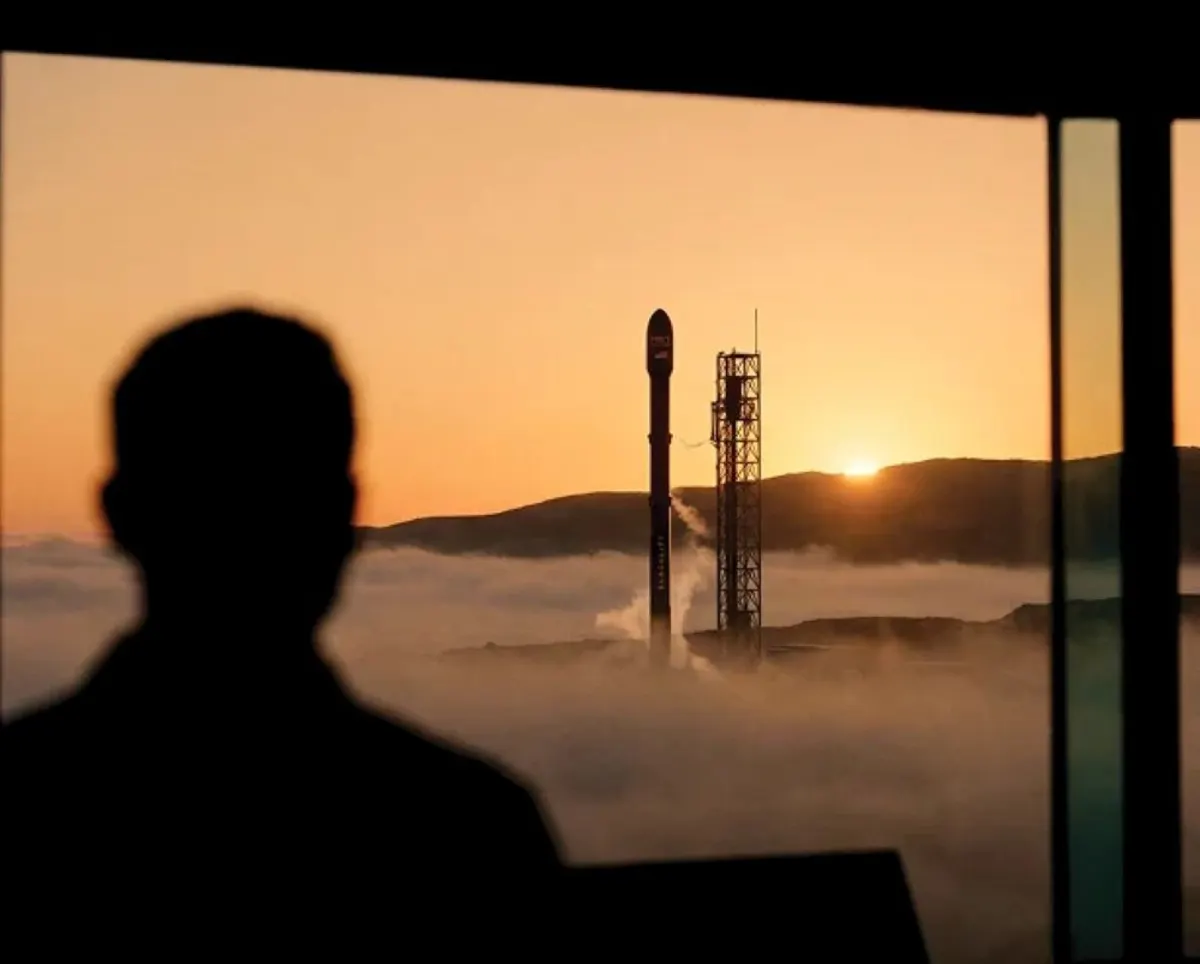
AST SpaceMobile, a satellite operator from Midland, Texas, presented its Blacklift orbital rocket at a media event in New York on Thursday, techtimes.com reports techtimes.com
techtimes.comtechtimes.comOpen source ↗. The vehicle was announced earlier this month together with a $1.3 billion propulsion deal with Firefly Aerospace. The company has so far launched nothing larger than a BlueBird satellite; the first Blacklift flight is targeted for late 2028.
Blacklift engines and test record
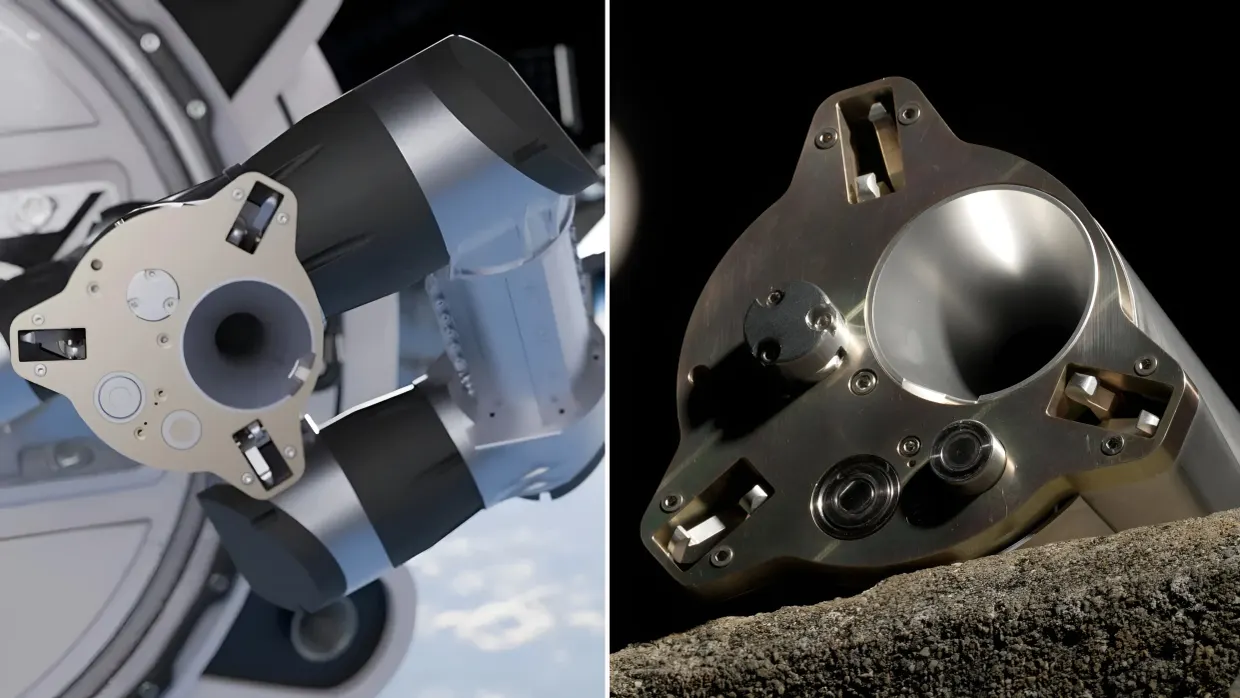
Blacklift is a 20-ton class rocket with nine Miranda engines on the first stage and three Vira engines on the second. Both are Firefly kerolox engines that burn liquid oxygen and RP-1 and use a tap-off cycle. In this cycle a small bleed of hot gas from the main chamber drives the turbopumps, so no separate gas generator is needed. Firefly holds the only patent on a kerolox orbital-class engine with this architecture.
The tap-off cycle extracts less energy from the propellants than full-flow staged combustion. Miranda reaches a vacuum specific impulse of 305 seconds, and the vacuum-optimized Vira reaches 328 seconds. Firefly says Miranda has completed more than 175 hot-fire tests totaling over 4,200 seconds, which the company equates to roughly 20 complete first-stage missions. These are stand tests: the engines have not yet flown to orbit.
Schedule and constellation size
The first orbital flight of these engines is to be made by Eclipse, the medium-lift rocket of Firefly and Northrop Grumman, now targeted no earlier than 2027 techtimes.com
techtimes.comtechtimes.comOpen source ↗. Eclipse uses seven Miranda engines on its first stage, while Blacklift needs nine. Analysts at New Street Research called the 2028 target "aspirational", noting that launch vehicle programs typically take about five years from start to first flight, while AST plans roughly two.
AST has FCC authorization for a 248-satellite constellation and says it needs more than 300 BlueBirds in orbit for global commercial service. At five satellites per Blacklift launch, a 300-satellite network requires at least 60 flights. CEO Abel Avellan said Blacklift will provide "regular unconstrained access to orbit". Until now AST has bought launches from outside providers; Blue Origin's New Glenn suffered a prelaunch test explosion in May, and its next flight was moved to January 2027.
The Firefly deal includes a $400 million upfront license fee plus up to 10 to 14 million Class A AST shares. About $250 million of the total is allocated to engineering support and hardware.