Stanford: bleached coral fragments recovered in seven weeks after contact with healthy clones in the lab
In a laboratory test, all five bleached coral fragments touching healthy fragments of the same colony recovered in seven weeks; the five kept apart died.
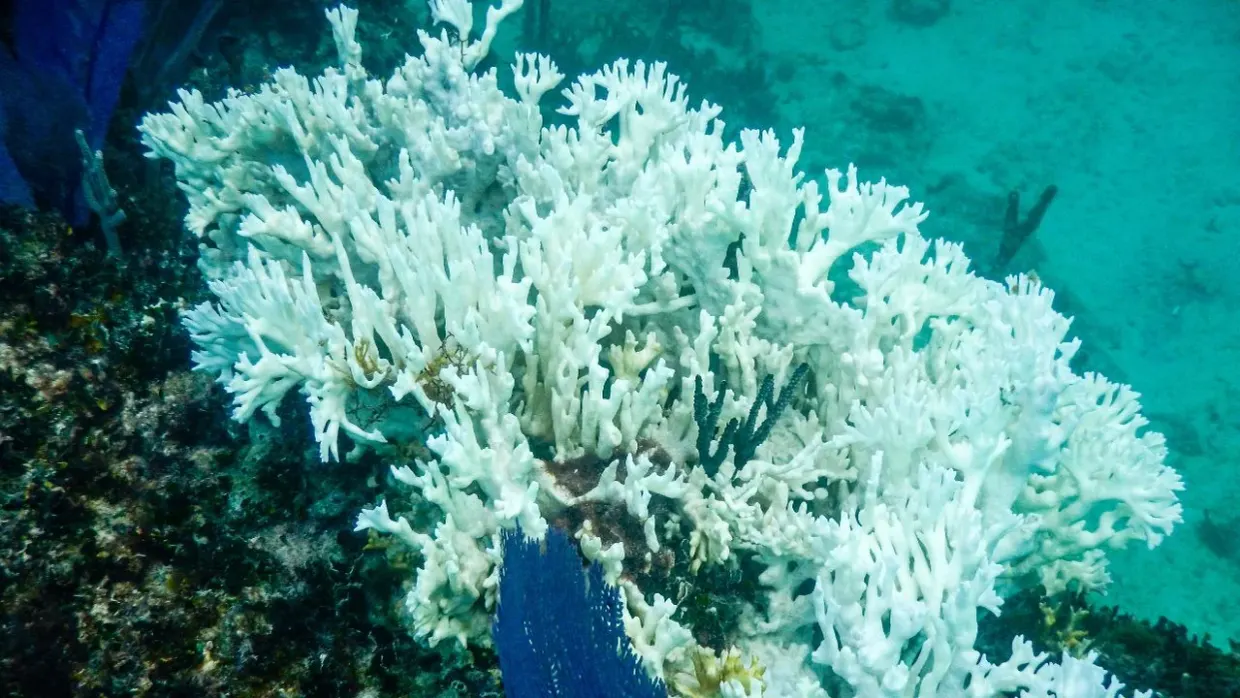
Researchers at Stanford University have found that bleached coral can recover when it is kept in contact with healthy coral, according to larazon.es. In a laboratory experiment, five bleached fragments placed against healthy fragments of the same colony recovered within seven weeks, while five kept a few millimetres apart died larazon.es
larazon.eslarazon.esOpen source ↗.
The effect was first noticed by accident. In 2025, Steve Palumbi, professor of oceans and marine biologist at Stanford's Doerr School of Sustainability, saw two pieces of coral that had fallen against each other in a laboratory tank. One was healthy and the other bleached, and where they touched, the bleached piece began to regain its colour.
Experiment and mechanism
Doctoral student Danny Collins set up 10 pairs of fragments, each consisting of one healthy and one bleached fragment from the same colony. Five pairs were placed in contact and the other five were held a few millimetres apart. After seven weeks, all five bleached fragments in contact with their healthy clones had recovered, and those kept separate had died.
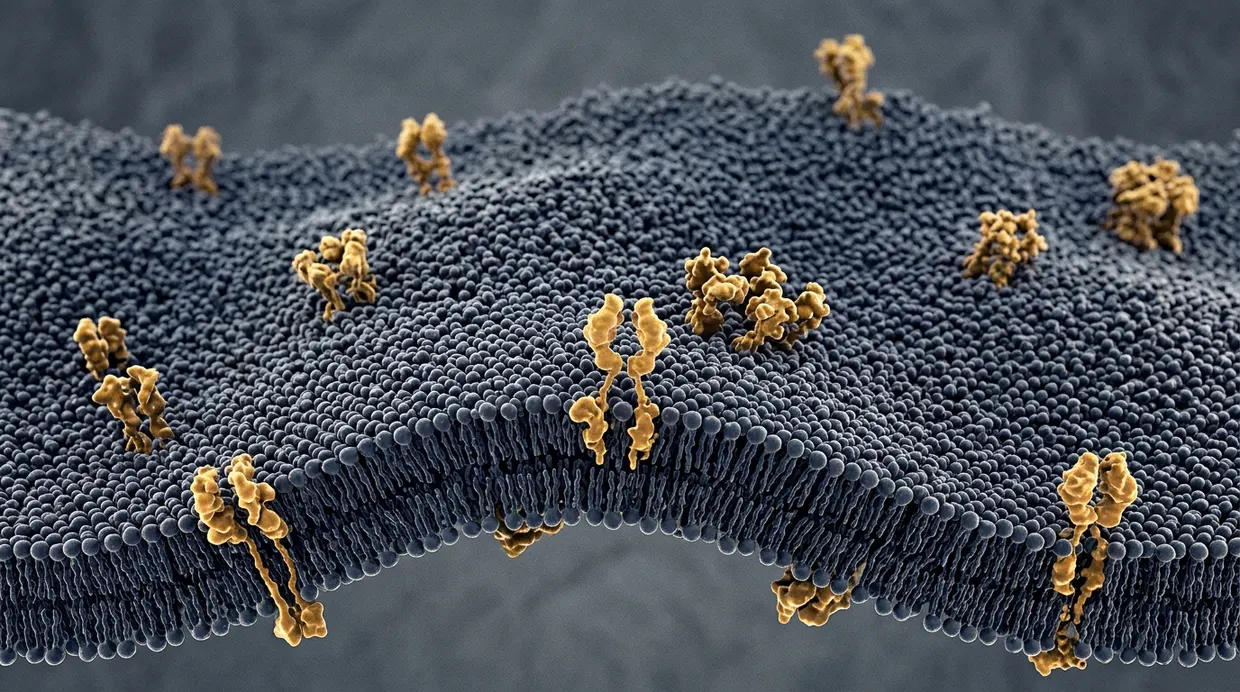
Under the microscope, the researchers saw that the paired corals had fused and formed small channels through which algae and nutrients passed from one to the other. Within three days, beneficial algae began moving from the healthy corals to the bleached ones. Within a week, some bleached fragments had received enough algae to recover on their own. "They arrive in masses and start dividing at the fastest rate seen in corals," Palumbi said larazon.es
larazon.eslarazon.esOpen source ↗.
Bleaching and the state of reefs
Bleaching occurs when corals lose the microalgae called zooxanthellae that live inside their tissues. It is caused mainly by rising water temperature linked to climate change and marine heatwaves. A bleached coral is weakened but still alive. If the water cools, the algae may return over several months, but if thermal stress continues, the coral most likely dies.
Corals cover less than 1% of the ocean floor but host about 25% of all marine species. According to the IUCN Red List, 44% of reef-building coral species worldwide are threatened with extinction. Reefs also reduce the force of waves, storms and tsunamis, and support more than 500 million people through fishing, tourism and other local activities.
The causes of the decline include rising water temperature, ocean acidification, which makes it harder for corals to build and maintain their calcium carbonate skeletons, and plastic pollution larazon.es
larazon.eslarazon.esOpen source ↗.