Lactate-driven H3K18 lactylation suppresses CD248 in disc nucleus pulposus cells, cell study reports
Authors report in Aging Cell that lactate suppresses CD248 in nucleus pulposus cells at both transcriptional and protein levels, linked to apoptosis and matrix loss in disc degeneration.
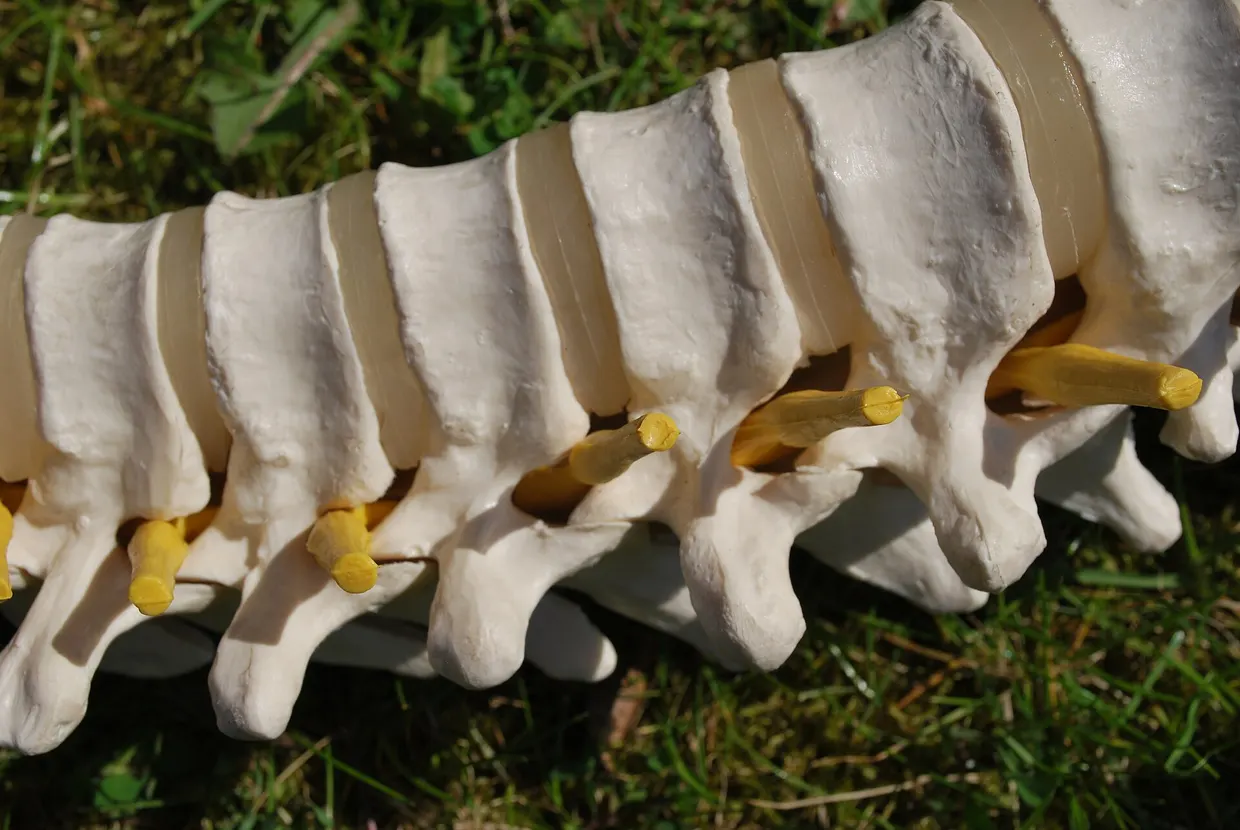
A laboratory study published in Aging Cell examines how lactate contributes to degeneration of the intervertebral disc through a histone modification, H3K18 lactylation (H3K18la). Intervertebral disc degeneration (IVDD) is mainly driven by degeneration of the nucleus pulposus (NP), a process associated with increased lactate accumulation wiley.com
Aging Cellwiley.comOpen source ↗. The authors compared degenerated NP cells with normal cells and found higher levels of lactate and lactylation in the degenerated ones. According to a report on the study, the work used human disc tissue from surgical patients and cultured NP cells.
Lactate raises H3K18 lactylation
Adding external lactate increased lactylation levels, while the glycolytic inhibitor 2-DG decreased them. Under high-lactate conditions, 2-DG restored cell proliferation and migration, lowered apoptosis and revived matrix synthesis, according to the report. Among the histone sites examined, H3K18la showed the most pronounced rise in degenerated disc tissue, the report states.
To test whether the effects depend on this specific site, the researchers built an H3K18R point mutant. According to the report, the mutation abolished lactate-induced NP cell apoptosis and extracellular matrix (ECM) degradation. The authors interpret this as evidence that the H3K18 site mediates the effect, rather than general acidification.
CD248 suppressed at transcriptional and protein levels
Lactate regulates CD248 at both transcriptional and protein levels through H3K18la wiley.com
Aging Cellwiley.comOpen source ↗. IP/MS, ChIP-WB and ChIP-reChIP-qPCR showed that H3K18la recruits SMARCA5, which co-enriches at the CD248 promoter and suppresses CD248 mRNA expression. The report adds that SMARCA5 knockdown restored CD248 transcription in lactate-stressed cells, while the tumor suppressor p53 was not recruited to the promoter.
At the protein level, lactate promotes CD248 degradation through the ubiquitin-proteasome pathway (UPP). Knockdown and overexpression of CD248 showed that it can improve NP cell apoptosis and ECM degradation by activating the Hedgehog pathway. Severely degenerated NP tissues showed lower CD248 mRNA and protein levels, according to the report.
The authors define a lactate-H3K18la-CD248 regulatory axis in IVDD, in which CD248 undergoes dual-level suppression.