USP46 enzyme drives sevoflurane neurotoxicity in neonatal mice via p53-dependent ferroptosis
In neonatal mice, repeated sevoflurane exposure raised USP46 in the hippocampus; neuron-specific knockdown reduced ferroptosis and neurotoxicity. Authors describe a USP46–p53 axis as a possible target.
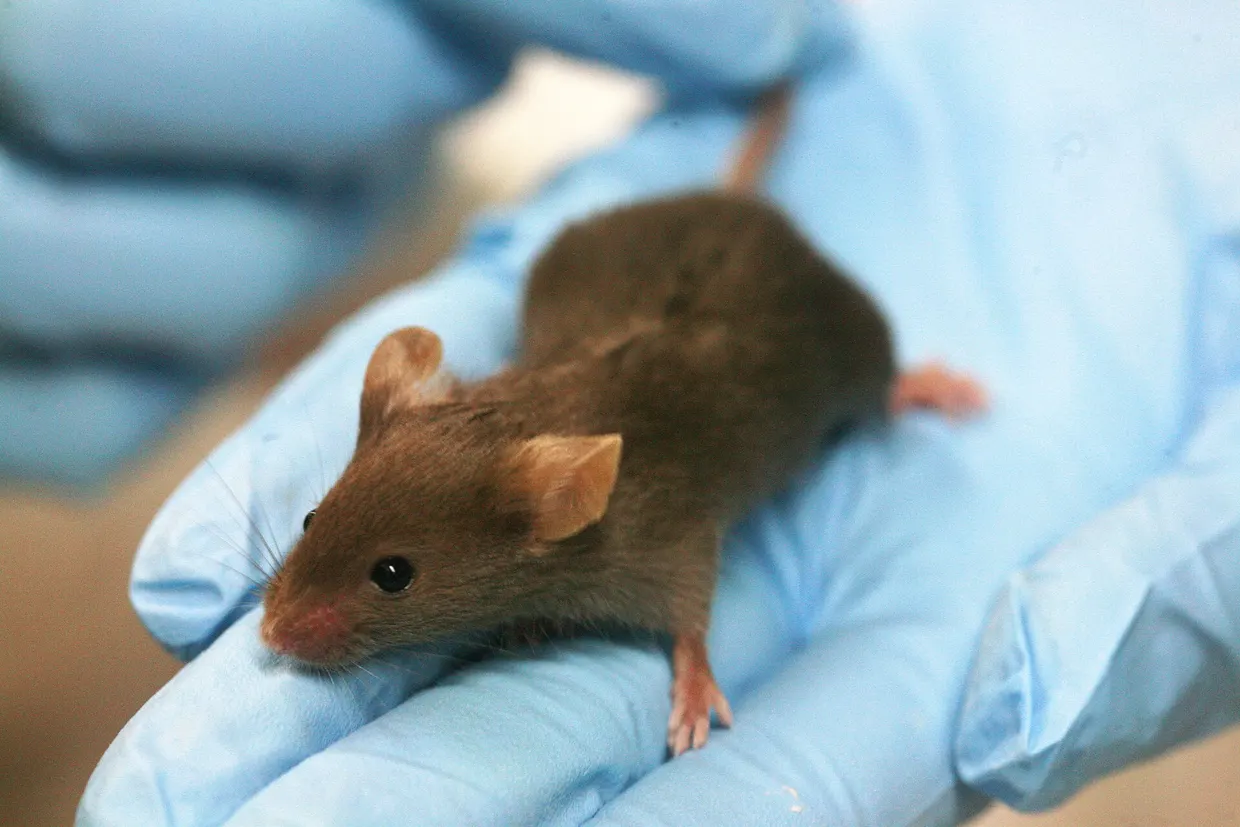
The deubiquitinating enzyme USP46 promotes developmental neurotoxicity of the anesthetic sevoflurane in neonatal mice by driving neuronal ferroptosis, according to a study in Cell Biology and Toxicology by Sun, Wu, Huang and colleagues, published in 2026 springer.com
Cell Biology and Toxicologyspringer.comOpen source ↗. Sevoflurane is an inhalational anesthetic commonly used in neonatal and pediatric patients. The work was done in mice and in HT22 neuronal cells.
Why apoptosis does not explain the damage
The mechanisms of sevoflurane-induced developmental neurotoxicity (SIDN) remain incompletely elucidated. Earlier studies focused mainly on caspase-dependent apoptosis, which, as the authors note, does not adequately account for the pronounced neuroinflammatory responses seen in SIDN.
Recent evidence points to ferroptosis, a regulated cell death driven by iron-dependent lipid peroxidation. The authors state that the developing brain consumes a lot of oxygen and has an immature antioxidant defense system, which makes it highly susceptible to ferroptosis.
The USP46–p53 axis
RNA sequencing of the hippocampus of neonatal mice after repeated sevoflurane exposure showed significant upregulation of USP46 springer.com
Cell Biology and Toxicologyspringer.comOpen source ↗. Neuron-specific knockdown of USP46 alleviated neuronal ferroptosis and neurotoxicity caused by repeated sevoflurane exposure in these animals.
The team identified the tumor suppressor protein p53 as a substrate of USP46 in neurons. USP46 stabilizes p53 by deubiquitination, which prevents its degradation. According to the authors, stabilized p53 represses the SLC7A11/GPX4 signaling axis, which triggers lipid peroxidation and promotes neuronal ferroptosis.
In HT22 cells, the neuroprotective effect of USP46 inhibition was reversed by p53 overexpression. The authors regard this as further confirmation of the functional role of the USP46–p53 axis.
The authors conclude that USP46 promotes SIDN by orchestrating p53-mediated ferroptosis. They suggest that targeting the USP46–p53 axis may be a promising therapeutic strategy for mitigating sevoflurane-induced developmental neurotoxicity. The results were obtained in neonatal mice and cultured cells; the material reports no data from patients springer.com
Cell Biology and Toxicologyspringer.comOpen source ↗.