Chaetoderma shenloong mollusc keeps sulphur bacteria in 12 µm 'dracosphera' organelles
Researchers describe spherical multilamellar compartments in a cold-seep mollusc that house sulphur-oxidising bacteria; no organelle dedicated to chemosynthesis had been identified before.
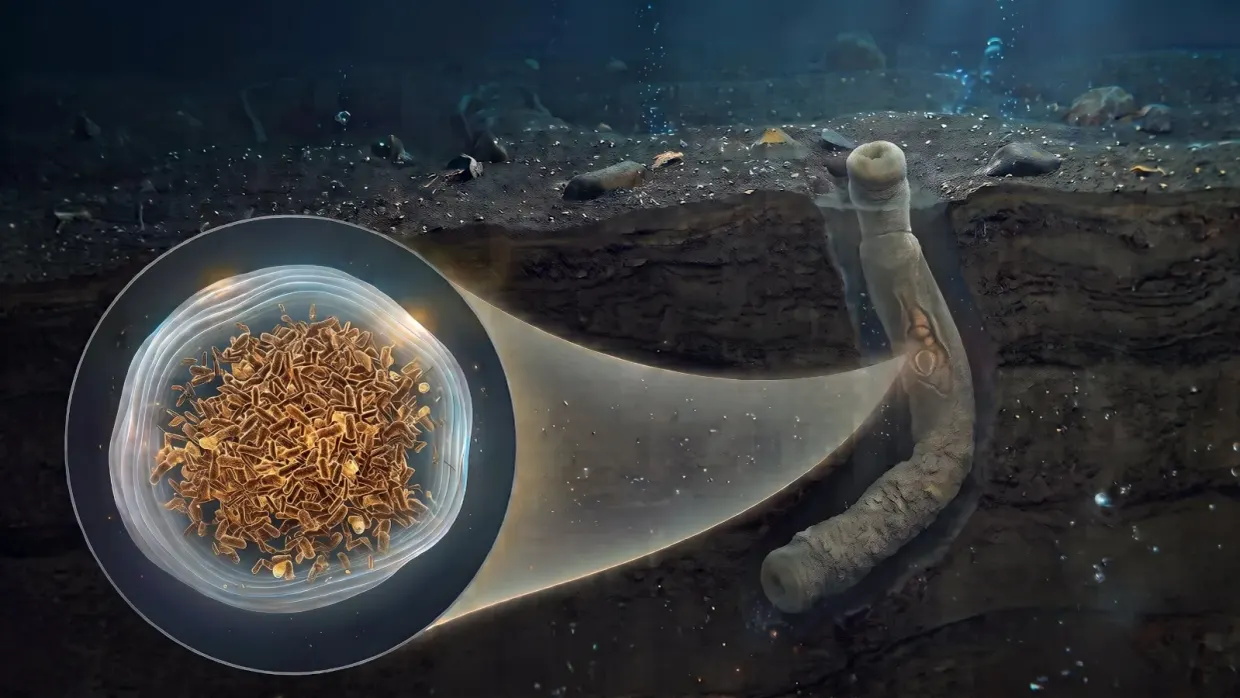
In a paper on nature.com, researchers from Ocean University of China, Hong Kong Baptist University, the Hong Kong University of Science and Technology and other institutions report a new mode of symbiosis in the cold-seep aplacophoran mollusc Chaetoderma shenloong. Sulphur-oxidising bacteria are cultured inside spherical multilamellar compartments of about 12 µm. The authors named this organelle 'dracosphera' nature.com
nature.comnature.comOpen source ↗. The specimens came from off Tanegashima, Kagoshima, Japan, and from the Haima seep in the South China Sea.
What the dracosphera is
Symbiosis with chemoautotrophic bacteria has evolved in many animal lineages living in reducing habitats such as hydrothermal vents. In some of them the symbionts are intracellular and sit in specialised bacteriocytes. Until now, no specialised organelle dedicated to chemosynthesis had been identified in animals.
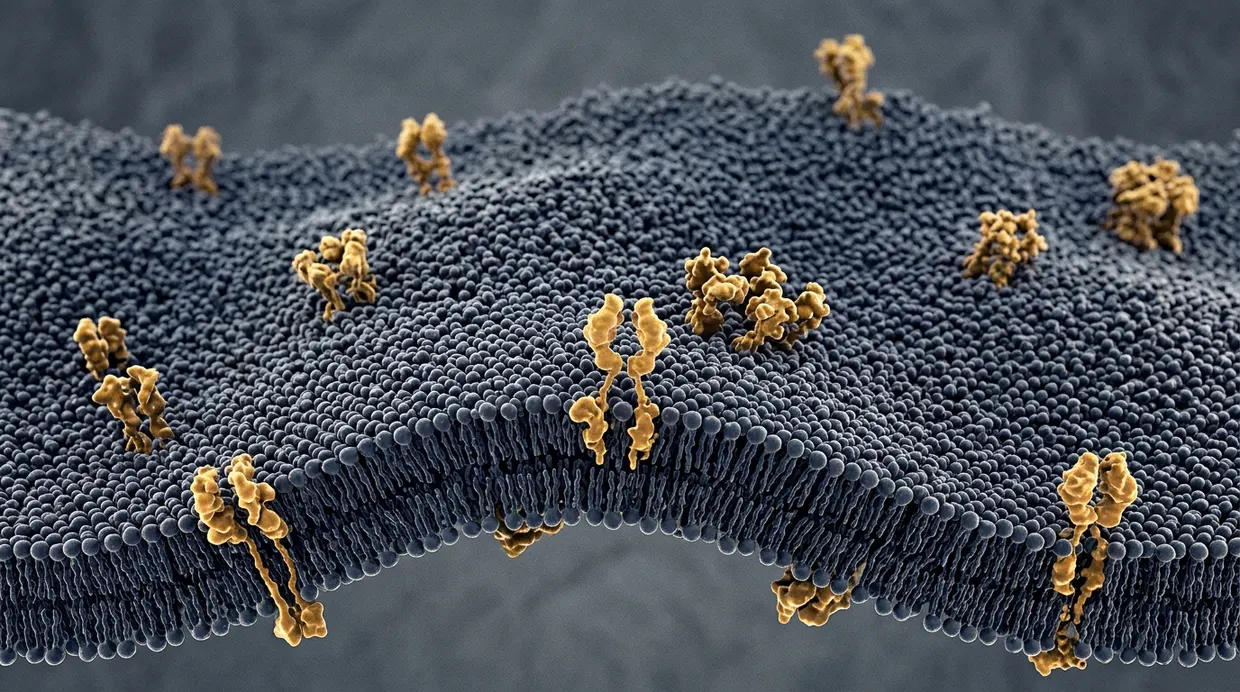
The dracosphera is found throughout the hypertrophied, intricately reticulate digestive gland of C. shenloong. The animal has otherwise lost most of its gut. According to the scinexx summary, the spheres are surrounded by more than 20 membrane layers, and as many as 1629 bacteria were found in a single host cell. That figure is the observed maximum, not an average. The same summary says the interior of the spheres has no nucleus and no lysosomes.
Life in anoxic sediment
The symbionts are microaerobic, while the host lives in anoxic sediment tens of centimetres below the surface. The authors suggest that the dracosphera may minimise oxygen diffusion to the bacteria. They compare this to mechanisms observed in microbial diazotrophs and in termite hindguts. Genomic and spatial transcriptomic analyses support this interpretation nature.com
nature.comnature.comOpen source ↗.
Hypoxia is known to induce radical adaptations in meiofauna, for example the acquisition of hydrogenosomes. The authors state that the similar adaptations found in C. shenloong provide insight into the evolution of such organelles in larger animals.