Hebrew University excavation finds 280 m² ritual bath complex at the foot of Jerusalem's Temple Mount
Excavations led by Uzi Leibner and Orit Peleg-Barkat uncovered a first-century CE complex of public ritual baths and a large pool, which the authors link to pilgrim practices.
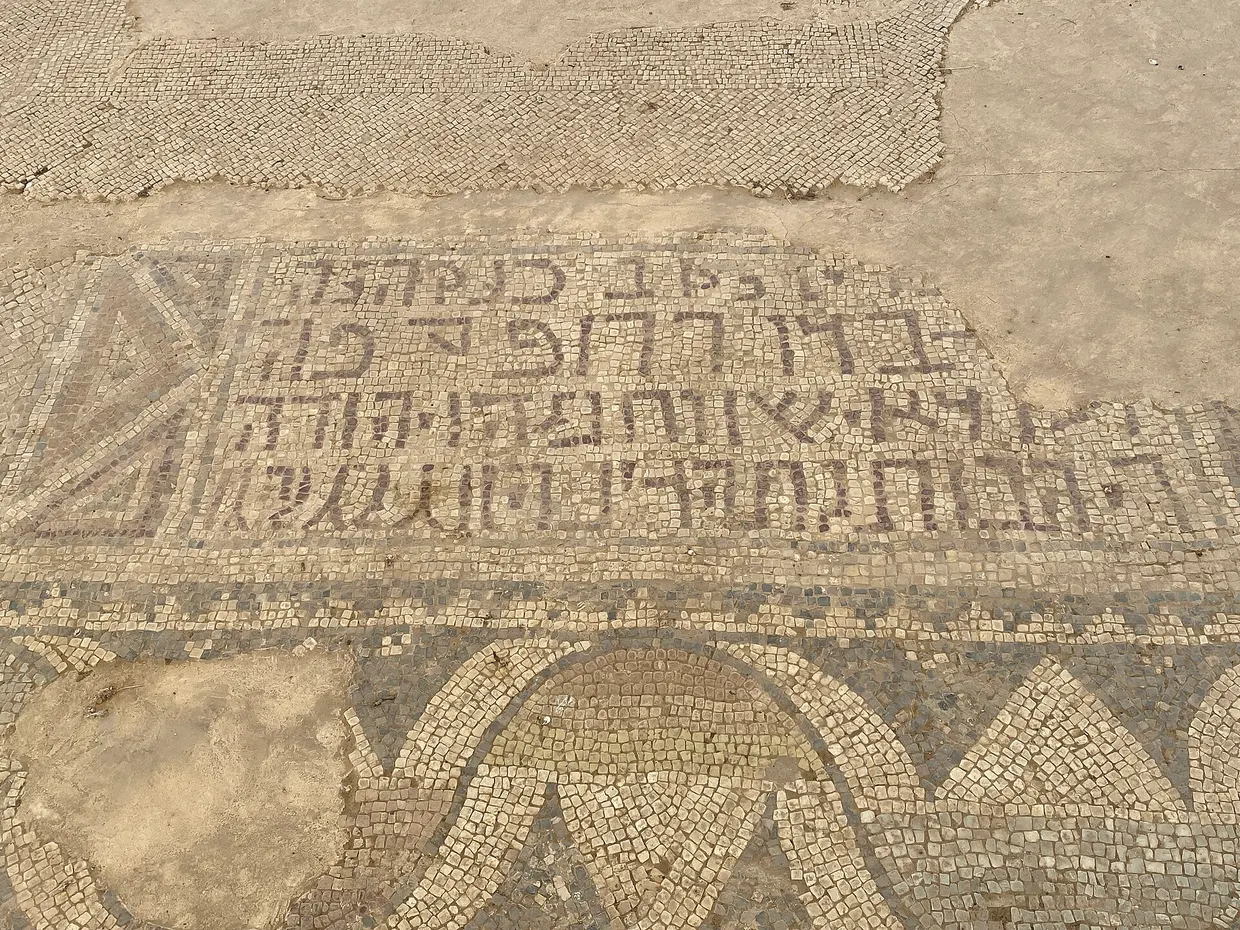
Archaeologists from the Institute of Archaeology of the Hebrew University of Jerusalem, led by Prof. Uzi Leibner and Prof. Orit Peleg-Barkat, have uncovered a monumental ritual bath complex built in the early 1st century CE, cnnbrasil.com.br reports. It includes a large plastered pool. In total, the complex covers about 280 square metres. cnnbrasil.com.br
cnnbrasil.com.brcnnbrasil.com.brOpen source ↗
Structure and water supply
Northwest of the pool stands a structure with four rooms, three of which were identified as large public ritual baths. According to the American Friends of the Hebrew University (AFHU), one of the bath rooms is exceptionally well preserved. It retains its full height of 4.2 metres, including the stone vault above it and the shaft through which it was filled with water.
The baths and the pool were connected to an extensive drainage system of large channels that carried water from the complex toward the Kidron Valley. According to the AFHU, the dimensions indicate that large volumes of water circulated through the system. They suggest the complex may have been fed by a permanent source of running water, possibly a branch of the aqueduct that supplied the Temple.
Pilgrimage and destruction
Leibner and Peleg-Barkat told the AFHU that a monumental ashlar structure devoted entirely to ritual purification, located at the foot of the Temple Mount near one of its gates, is a truly unparalleled phenomenon. cnnbrasil.com.br
cnnbrasil.com.brcnnbrasil.com.brOpen source ↗ They said the complex is central to research on the archaeology of pilgrimage in the Second Temple period. The questions concern how the area immediately south of the Temple Mount was designed to accommodate the many pilgrims who came to Jerusalem, and which activities and rituals took place near its gates.
The bath complex came to an end in the summer of 70 CE, when the Romans destroyed Jerusalem and the Temple. Evidence of the destruction includes dozens of coins dated to the First Revolt against Rome, found on the floors and among the debris.
Sources · 1
Found a mistake?Read also