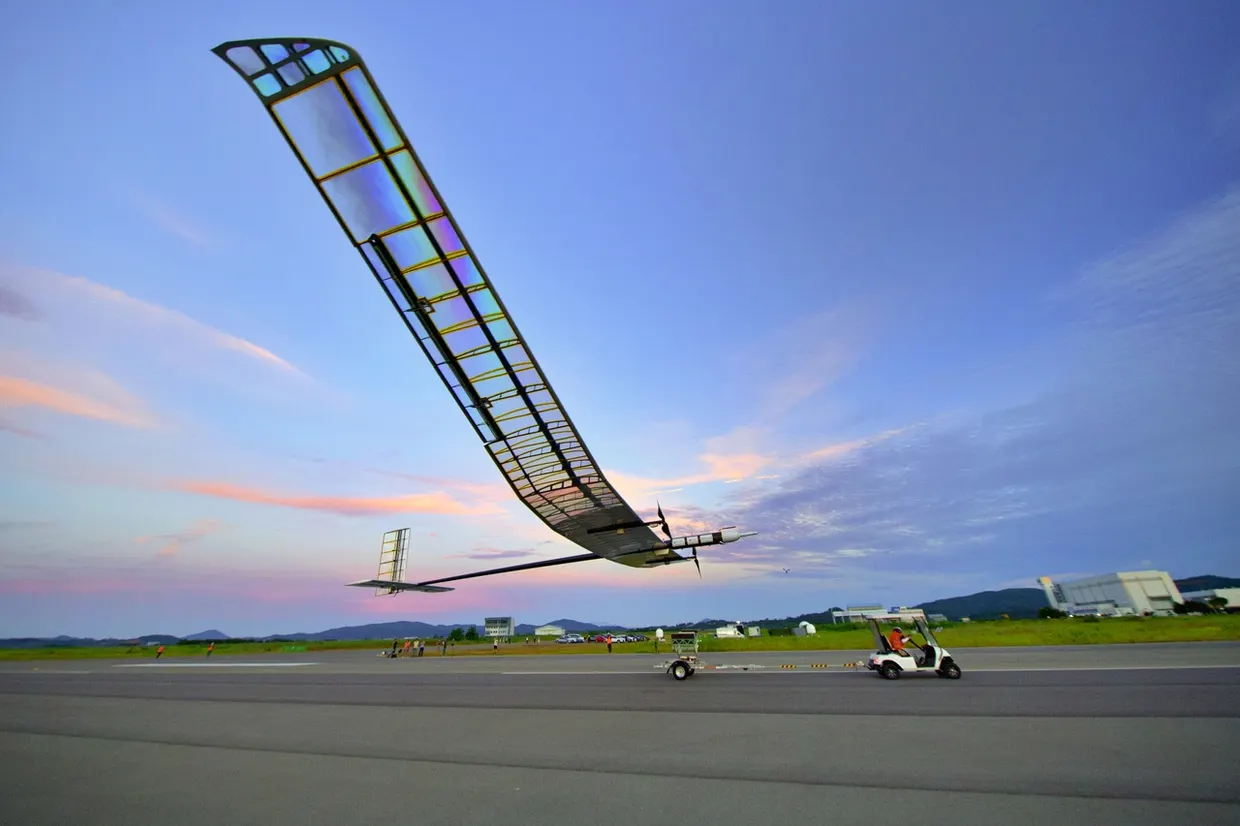
CASC's Light Cavalry solar UAV makes maiden flight: 8 m wingspan, 30 h design endurance
The 11th Research Institute of CASC flew its solar-powered Light Cavalry UAV for the first time on Nov. 11. The 30-hour endurance is so far a design target; endurance tests were not reported.
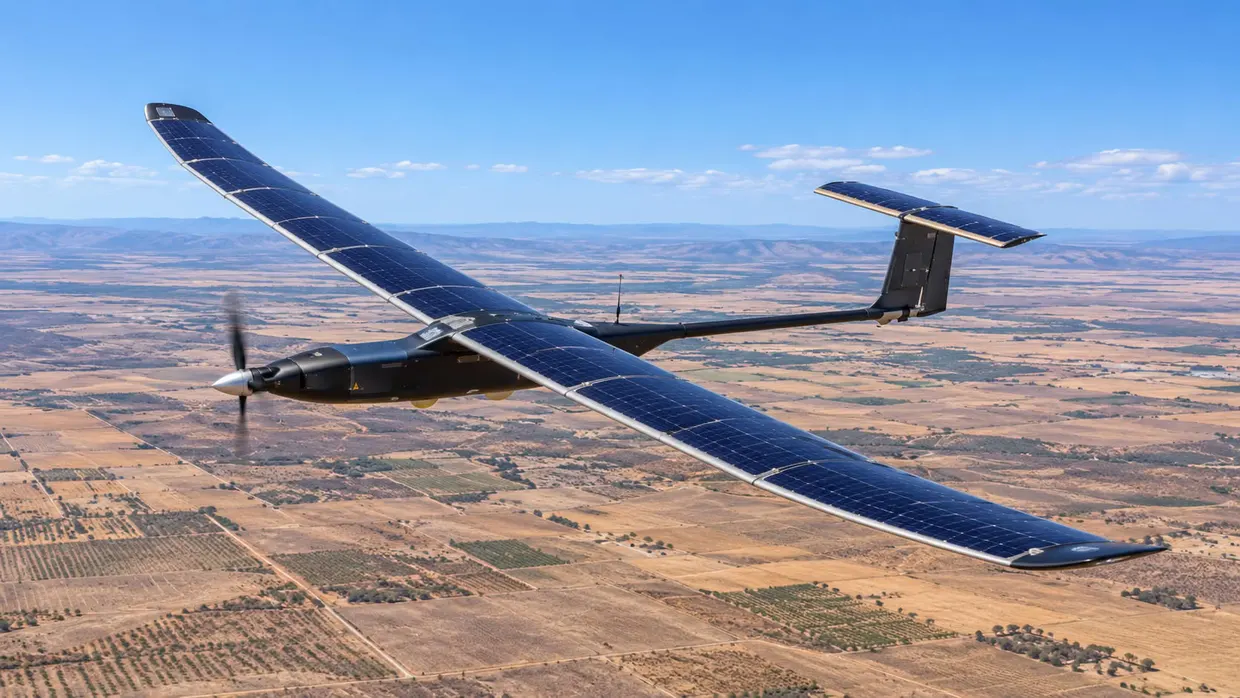
The 11th Research Institute of China Aerospace Science and Technology Corp. (CASC) completed the maiden flight of its Light Cavalry solar-powered UAV on Nov. 11 at an undisclosed airfield in northwestern China, pv-magazine.com reports. pv-magazine.com
pv-magazine.compv-magazine.comOpen source ↗ The institute presents the flight as a milestone in its work on a commercially deployable solar-powered aircraft.
Light Cavalry specifications
The UAV has an 8-meter wingspan, a maximum takeoff weight of 45 kg and a payload capacity of more than 5 kg. According to the institute, it is designed to operate continuously for up to 30 hours at altitudes of up to 7,000 meters. It can be launched from a vehicle without a runway and requires approximately 20 minutes of ground preparation.
These specifications are design targets rather than independently verified performance figures. The maiden flight demonstrated basic flight capability and system integration, but the institute did not report endurance testing.
The aircraft is powered entirely by solar cells integrated into its wings. During daylight the photovoltaic modules supply electricity to the propulsion system and charge onboard batteries. After sunset the batteries provide power, so the UAV can keep operating overnight without fuel. pv-magazine.com
pv-magazine.compv-magazine.comOpen source ↗ The institute said it developed the key subsystems in-house, including flight controls, avionics and energy management systems. The institute also develops the Rainbow series of military and civilian UAVs.
Intended applications and status
The institute is targeting commercial uses such as inspection of power transmission lines, pipelines and railway corridors. Other potential applications include environmental monitoring, emergency response and communications relay services. The vehicle-based launch is intended to support operations in remote locations without dedicated aviation infrastructure.
The development comes as China promotes its low-altitude economy, encouraging civilian UAVs in sectors including logistics, agriculture and infrastructure inspection.
CASC has not disclosed a timeline for commercial certification, production plans or pricing. Further flight testing, regulatory approvals and customer qualification will be needed before the aircraft can enter routine commercial service. pv-magazine.com
pv-magazine.compv-magazine.comOpen source ↗