Berghia stephanieae nudibranch: 166 genes more active in tissue that stores stolen stinging organelles
A transcriptome comparison of two nudibranch species shows that storing nematocysts taken from prey draws largely on existing phagocytosis genes, according to the authors.
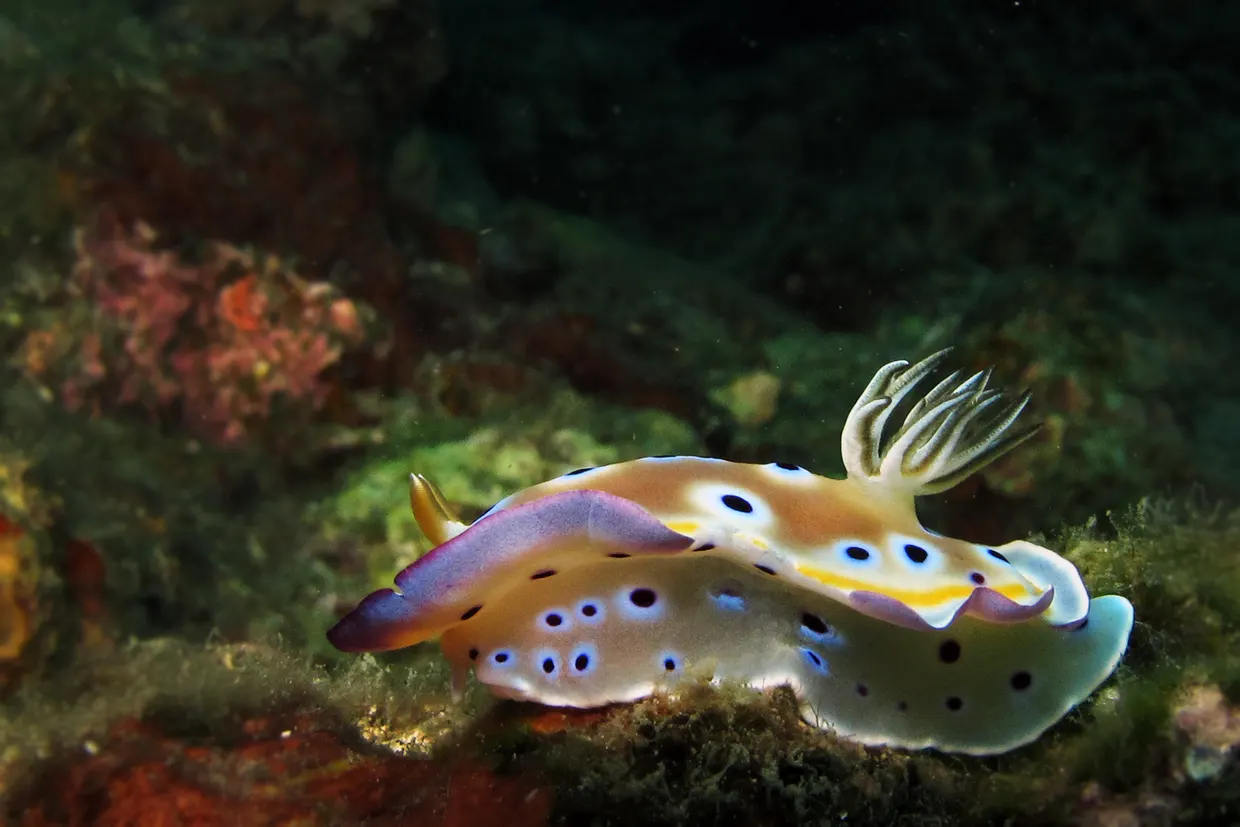
Researchers compared gene expression in two nudibranch species, Berghia stephanieae and Hermissenda opalescens, to find genes active where the animals store nematocysts, the stinging organelles taken from cnidarian prey. According to the study in EvoDevo, 166 genes in B. stephanieae had significantly higher expression in the sequestering region, and at least 31 of them overlap with transcripts upregulated in H. opalescens biomedcentral.com
EvoDevobiomedcentral.comOpen source ↗. The work is a transcriptomic analysis of animal tissue.
B. stephanieae feeds exclusively on the sea anemone Exaiptasia diaphana, while H. opalescens is a generalist that feeds on cnidarian and non-cnidarian prey. Both species move intact, undischarged nematocysts into the cerata and keep them in cells called cnidophages inside the cnidosac.
Distal and proximal cerata compared
The cerata were divided into a distal part, which ends in the cnidosac, and a proximal part, which holds the branched digestive gland. In B. stephanieae, three distal and three proximal replicates were sequenced and mapped to 24 960 predicted genes, of which 21 498 had expression above ten counts. Genes with a log2 fold change above two and an adjusted p-value below 0.05 were counted as differentially expressed. Besides the 166 upregulated genes, 458 were downregulated in the distal part, and 87.3% of expressed genes were shared between the regions.
The enriched transcripts included actin, alpha-tubulin, collagen, the lysosomal enzymes cathepsin L and battenin, C-type lectin macrophage mannose receptors and sortilin-related receptors biomedcentral.com
EvoDevobiomedcentral.comOpen source ↗.
For H. opalescens, the team built a de novo transcriptome of 19 347 transcripts. Samples came from regenerating cerata of animals fed Aurelia aurita polyps or non-nematocyst food, and 191 transcripts were upregulated in the distal part. Cross-species analysis found 27 orthologous groups, covering 48 Hermissenda transcripts and 31 Berghia genes. They included collagen alpha-1(VIII), solute carrier transporters, pleckstrin homology domain proteins and a C-type lectin macrophage mannose receptor.
Localization in sequestering cells
Hybridization chain reaction in situ staining showed that at least two of these genes, a putative C-type lectin receptor and a collagen, were localized to sequestering cells in B. stephanieae.
Genes annotated with phagocytosis, digestion or immunity terms were often expressed in both sequestering and non-sequestering tissues. Genes for endocytosis, immunity and digestion had lower overall expression in sequestering tissues. The authors read this as a narrowing of function compared with digestive tissue. They conclude that phagocytosis genes likely contribute to sequestration, and that a small subset, such as collagen, may have unique functions yet to be uncovered biomedcentral.com
EvoDevobiomedcentral.comOpen source ↗.
Sources · 2
Found a mistake?Read also