Northwestern engineers build DIAL 3D printing: thick inks cured by light, grids over four times faster
The DIAL method spreads paste-like ink into 50-micron sheets and cures them with patterned light, printing porous grids over four times faster than extrusion.
Engineers at Northwestern University have developed direct ink additive lithography, or DIAL, a 3D printing method that combines the speed and precision of light-based printing with the broad ink compatibility of extrusion. The study is published on November 4 in the journal Science Advances, according to eurekalert.org eurekalert.org
eurekalert.orgeurekalert.orgOpen source ↗. Ryan Truby is the senior author; Pranav Kaarthik is the lead author.
Until now, users had to trade off between speed, fine features and material choice. Light-based printers are fast and precise but generally need thin, free-flowing resins that let light pass through. Extrusion techniques such as direct ink writing handle many inks, but they draw an object one line at a time, and the fine nozzles needed for detail clog easily.
How DIAL builds a part
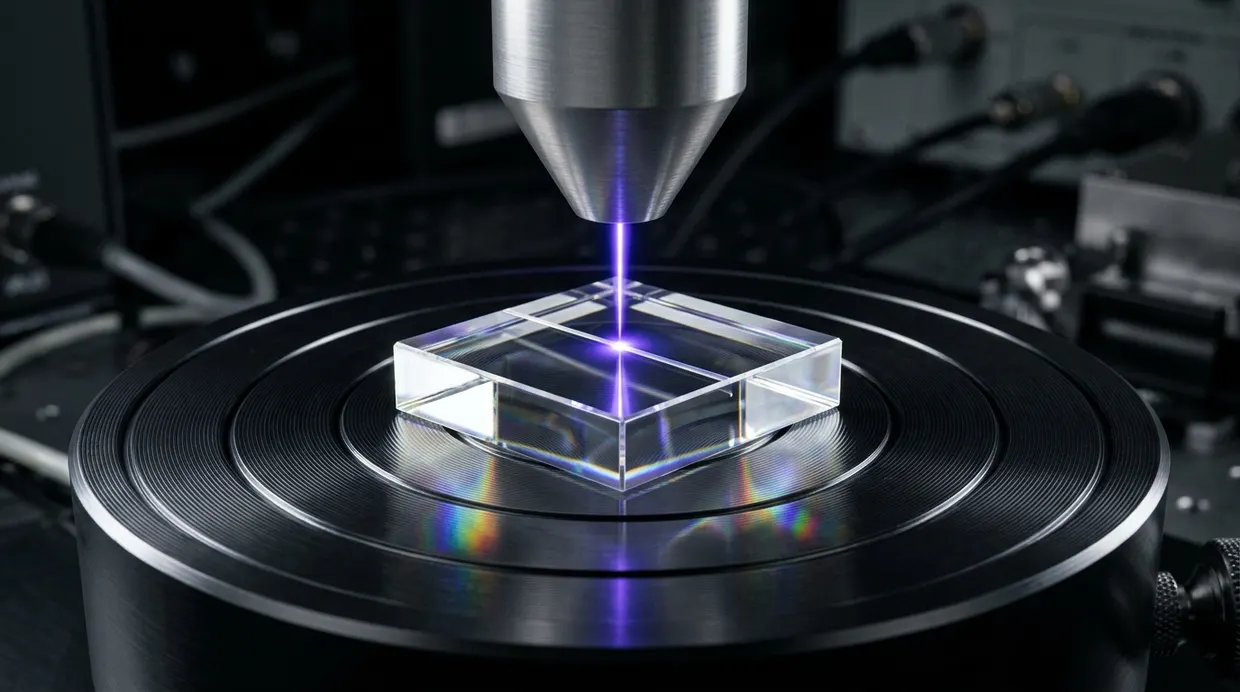
The printer first deposits thick, paste-like ink through a long, narrow slot-die nozzle onto a flat surface. A blade then spreads it into a uniform sheet 50 microns thick, thinner than a human hair. A projector shines patterned light onto the sheet and hardens the selected areas. The cycle repeats layer by layer until the object is complete.
Because whole regions are hardened at once, printing is faster than line-by-line extrusion. Resolution depends mainly on the projector's pixel size and the layer thickness, not on nozzle size eurekalert.org
eurekalert.orgeurekalert.orgOpen source ↗. DIAL can also print thick, particle-filled inks, including those that scatter light.
The ink itself supports overhangs, so free-standing structures need no co-printed scaffolding. According to the publication bioengineer.org, the team made such an ink by compounding a light-curable resin with fumed silica nanoparticles to give it a yield stress.
Test results
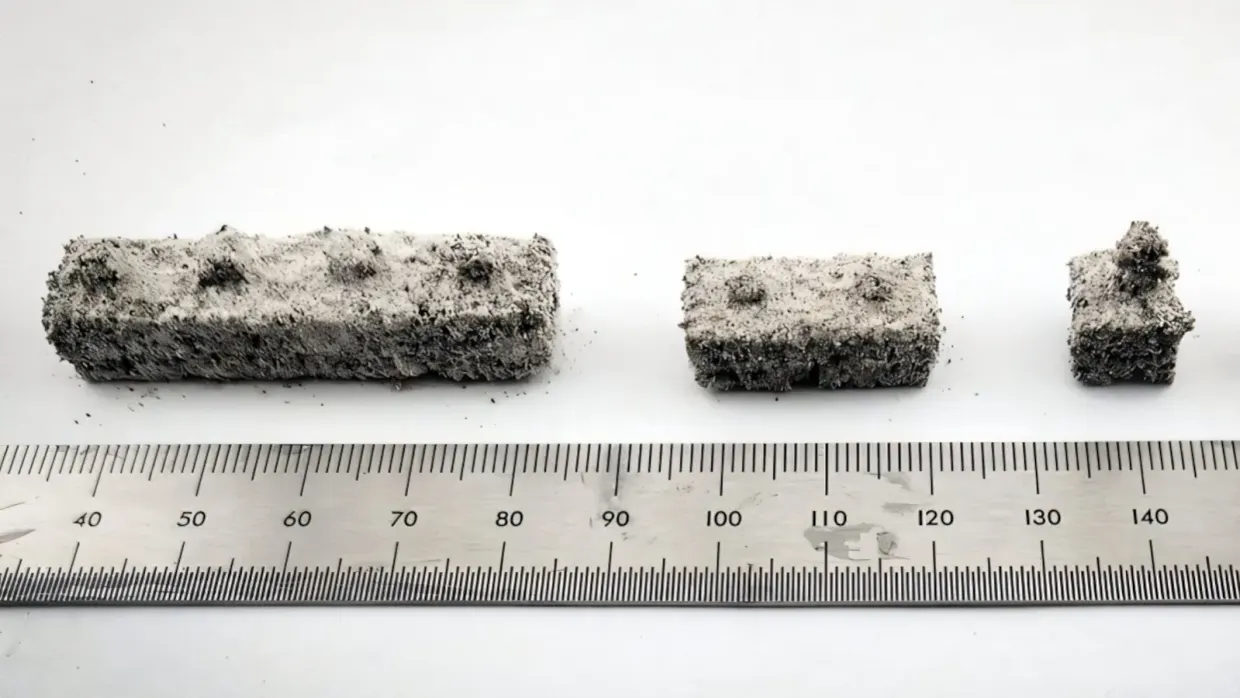
In side-by-side tests, DIAL printed porous, grid-like structures more than four times faster than conventional extrusion printing, with sharper features and fewer defects. It also printed delicate lattices that extrusion could not reproduce and that a desktop light-based printer could make only with additional supports.
To show material range, the team printed intricate structures from two functional inks: structural electrolytes being developed for batteries, and hydrogels inspired by laboratory devices for growing cells and engineering tissues eurekalert.org
eurekalert.orgeurekalert.orgOpen source ↗.
Truby said DIAL can produce parts that have been challenging if not impossible to make with other 3D printing methods. The authors name structural applications, robotics, energy storage, tissue engineering and custom medical devices as possible areas of use.