Korea's EAV-4 solar stratospheric UAV flies 170 hours 5 minutes in test; hybrid VTOL program planned
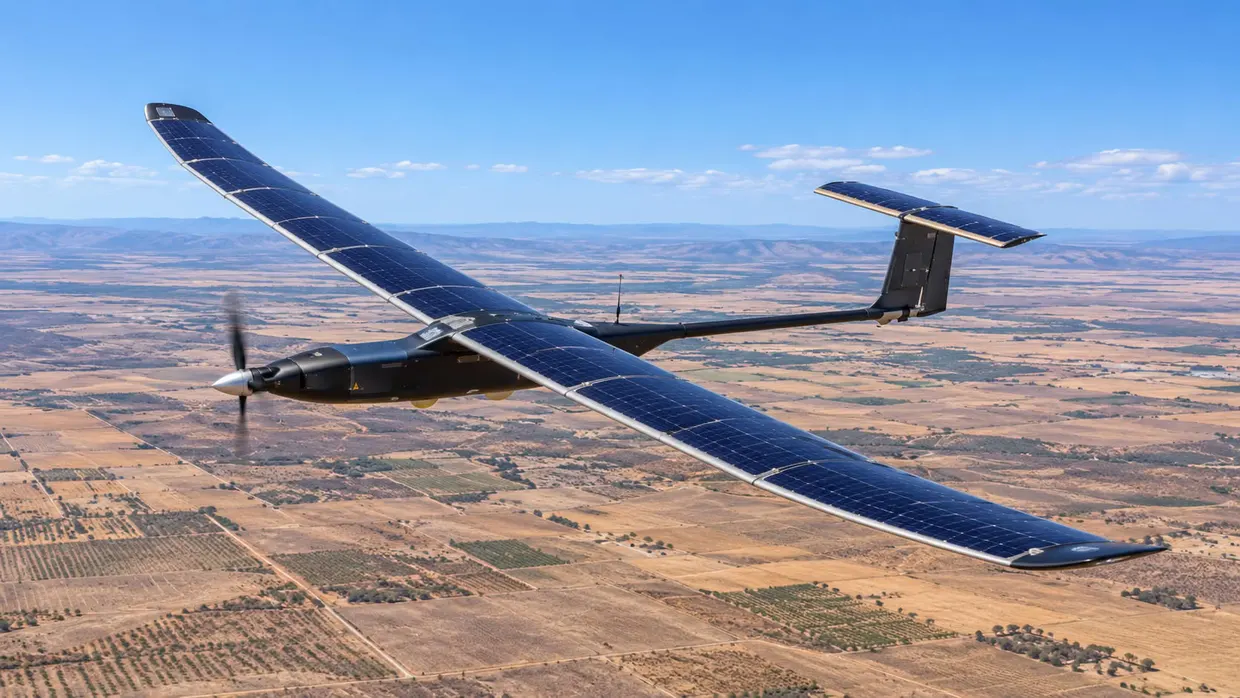
Korea's space agency reported that the solar-powered EAV-4 stayed aloft for over seven days. It also plans a hybrid VTOL aircraft program for 2028–2032.
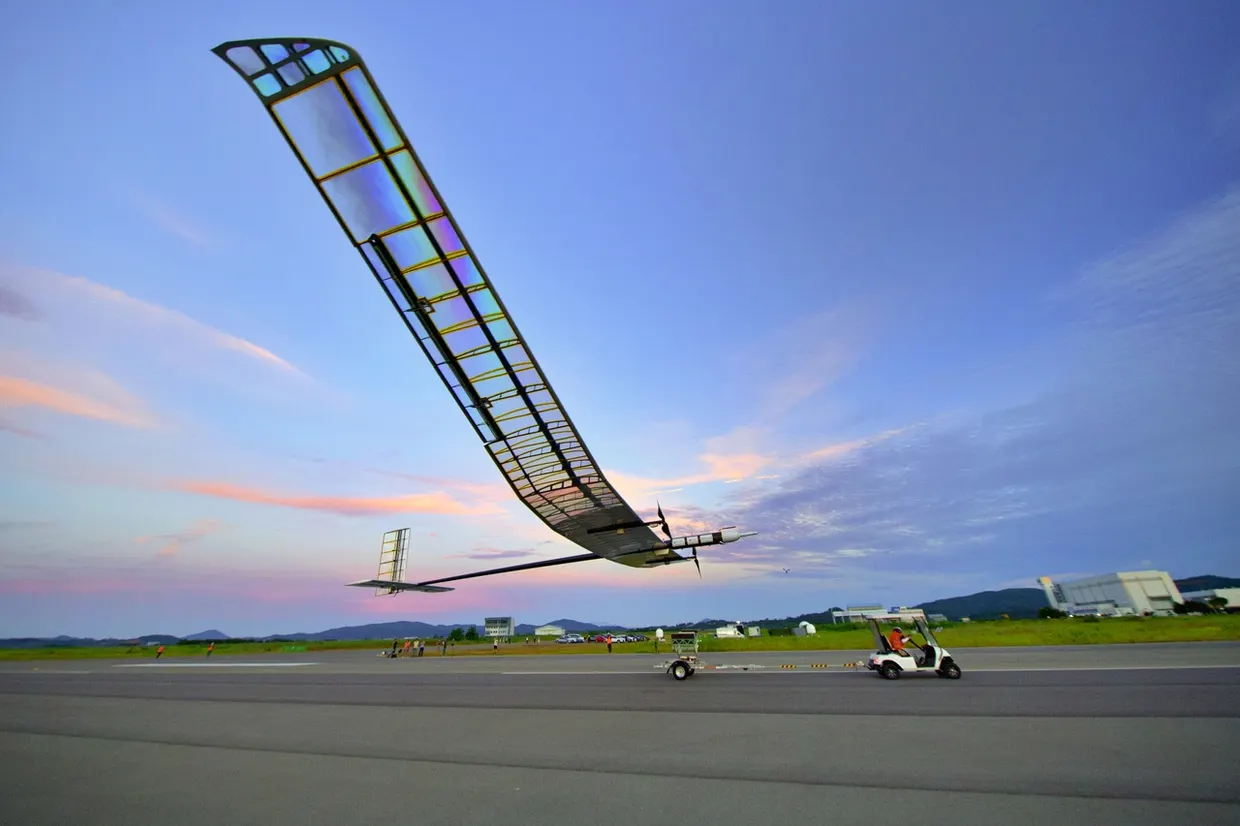
South Korea's space agency (KASA) reported that its solar-powered stratospheric UAV EAV-4 completed a continuous flight of 170 hours 5 minutes, according to biz.heraldcorp.com biz.heraldcorp.com
biz.heraldcorp.combiz.heraldcorp.comOpen source ↗. The flight test ran from August 18 to 25. The agency also announced a development program for a hybrid vertical take-off and landing aircraft.
Flight record and fire monitoring
EAV-4 stayed in the air for more than seven days, over three times the 53 hours set by EAV-3 in 2020, the previous Korean record. According to the agency, this is the second-longest result in the world after Airbus's Zephyr stratospheric UAV.
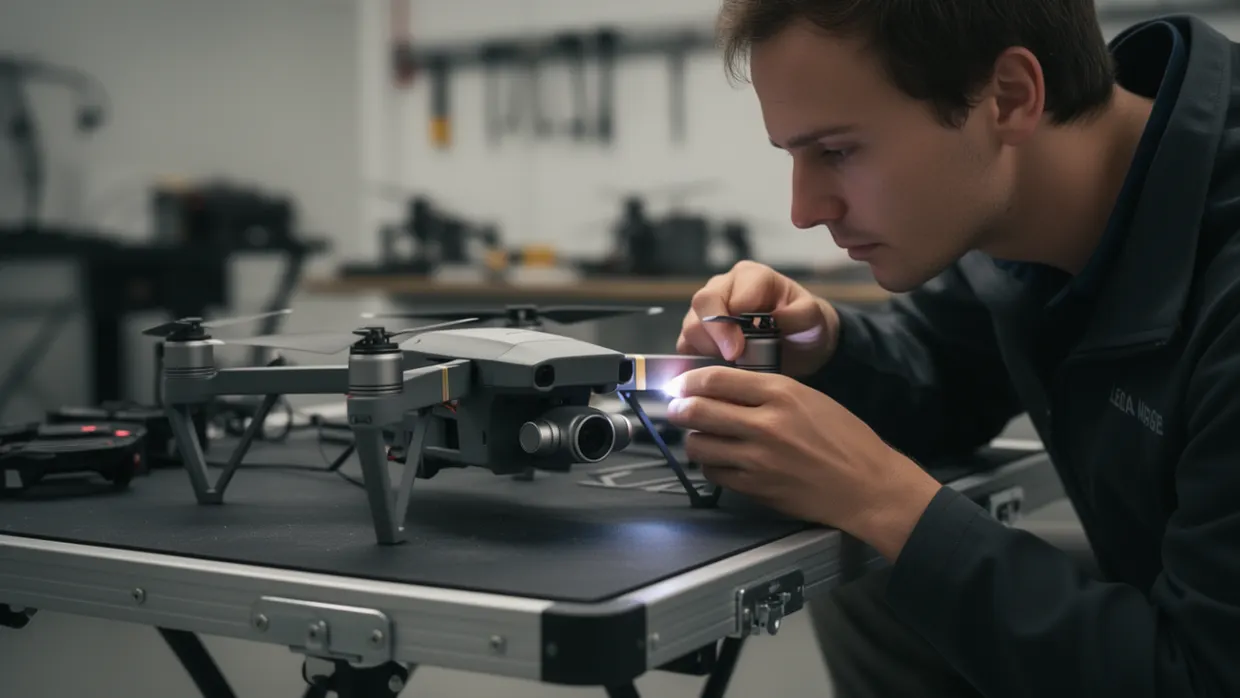
The test also included a demonstration of wildfire monitoring. Electro-optical and infrared cameras on board detected a fire ignition point within seconds, and tracked and predicted the direction of smoke spread and the path of embers, the agency said.
Stratospheric UAVs fly for long periods at about 20 km above the ground and can observe wide areas. At that altitude they are relatively little affected by weather compared with ordinary aircraft. Unlike satellites, they can observe a given area continuously, and they can also serve as aerial base stations over islands and mountain areas that lack communications infrastructure biz.heraldcorp.com
biz.heraldcorp.combiz.heraldcorp.comOpen source ↗.
By 2030 the agency plans private-sector-led development and demonstration of core technologies: disaster monitoring and observation, communications relay, and verification of domestically made solar cells. The stated goal is to secure the technology needed for a permanent stratospheric monitoring network.
Hybrid VTOL aircraft program
The hybrid VTOL aircraft uses an engine together with a battery. According to the agency, compared with battery-only urban air mobility aircraft it can carry more passengers and cargo over longer distances, and its reserve power provides a safety margin in emergencies. Proposed uses include emergency cargo delivery and patient transport to islands and mountain areas where runways are hard to build, as well as inter-regional air taxis.
The government plans five years of R&D, from 2028 to 2032. The work covers a hybrid propulsion system and domestic production of core components, including the engine, battery and motor, along with aircraft development and stage-by-stage technology verification biz.heraldcorp.com
biz.heraldcorp.combiz.heraldcorp.comOpen source ↗.
Agency head Oh Tae-seok said the long-endurance result shows the potential of Korean aviation technology, and called the hybrid VTOL program a new challenge.