Extreme 2019 drought led to local extinction of a degu population in central Chile
A 12-year capture-mark-recapture study found a degu population survived a megadrought for years, then collapsed when plant productivity fell below a critical threshold in 2019.
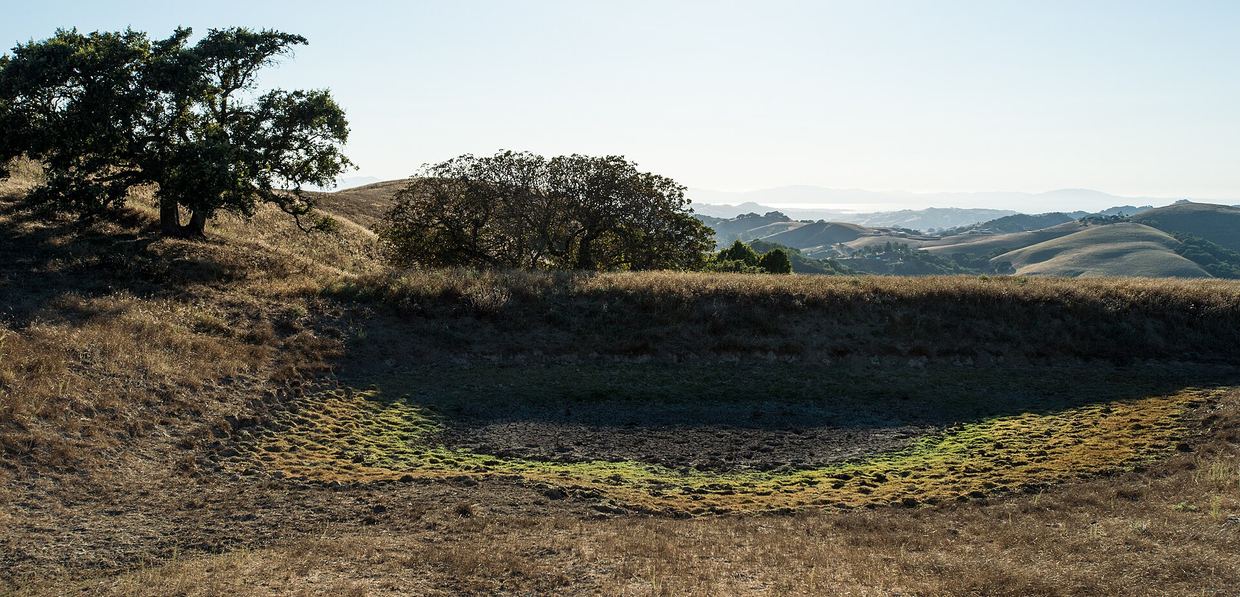
Researchers who followed a population of common degus (Octodon degus) at Rinconada de Maipú, in Chile's Metropolitan Region, report that it disappeared after the extreme drought of 2019, following nearly a decade of megadrought. The analysis used capture-mark-recapture data from 2009 to 2020 and was published in the journal Ecology doi.org
Ecologydoi.orgOpen source ↗. No degus were recorded at the site in 2020 despite continued trapping, and none were detected in additional surveys in 2021.
Resistance, then abrupt collapse
The authors estimated apparent survival, recruitment and population growth rates and related them to climatic and ecosystem variables. Population growth stayed positive through most of the study period despite prolonged drought, which indicates resistance to long-term stress doi.org
Ecologydoi.orgOpen source ↗. The population did not decline gradually during the megadrought.
The situation changed in 2019, when precipitation and resource availability dropped markedly. According to Annemarie van der Marel of the Institute of Ecology and Biodiversity (IEB), there was virtually no rain through the entire year, whereas in earlier drought years some winter rain still allowed plants to grow. Gross primary productivity (GPP) crossed a critical threshold, survival and recruitment declined sharply, and the population underwent an abrupt state shift and rapid collapse doi.org
Ecologydoi.orgOpen source ↗. The authors conclude that the extreme conditions of 2019 were the proximate driver of extinction rather than a cumulative effect of the preceding megadrought
doi.org
Ecologydoi.orgOpen source ↗.
Food supply and life history
Variation in GPP, an indicator of the plant matter produced by photosynthesis, was the strongest predictor of both survival and recruitment doi.org
Ecologydoi.orgOpen source ↗. Degus are social, diurnal rodents of semi-arid habitats and depend largely on vegetation, particularly green annual herbs that grow in the wetter months.
They reproduce mainly in the austral winter. Gestation lasts almost three months, and young are born between late August and early September, when vegetation is most available. Most adults do not survive into their second year, so steady recruitment is needed to sustain a population. The authors discuss how short lifespan, seasonal reproduction and social organization may limit the ability of degus to buffer consecutive demographic failures under extreme conditions doi.org
Ecologydoi.orgOpen source ↗.
The data came from about 15 years of records at the Germán Greve Silva Experimental Station, originally collected in research on degu social organization. The local disappearance does not mean the species is extinct in Chile: the IUCN lists the common degu as Least Concern, although the status of many Chilean populations is unknown. After the study population vanished, researchers found another degu population less than ten kilometers from the original site.