Prokhorov GPI RAS: periodic nitrogen pulses cut diamond film roughness 13-fold
Physicists from three Russian institutions grew diamond films in plasma with periodic nitrogen additions; with 100 fine-grained layers, surface roughness fell 13-fold.
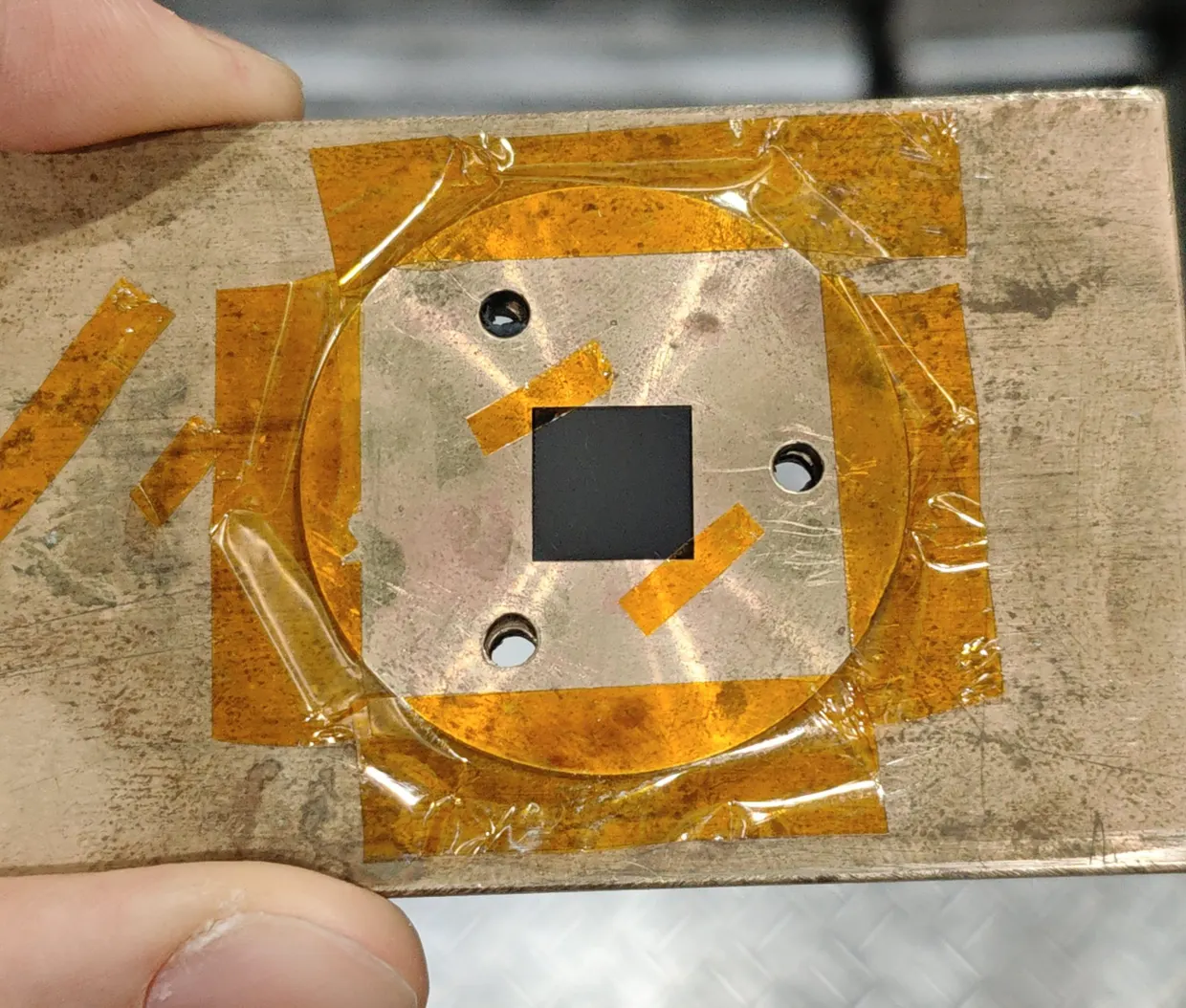
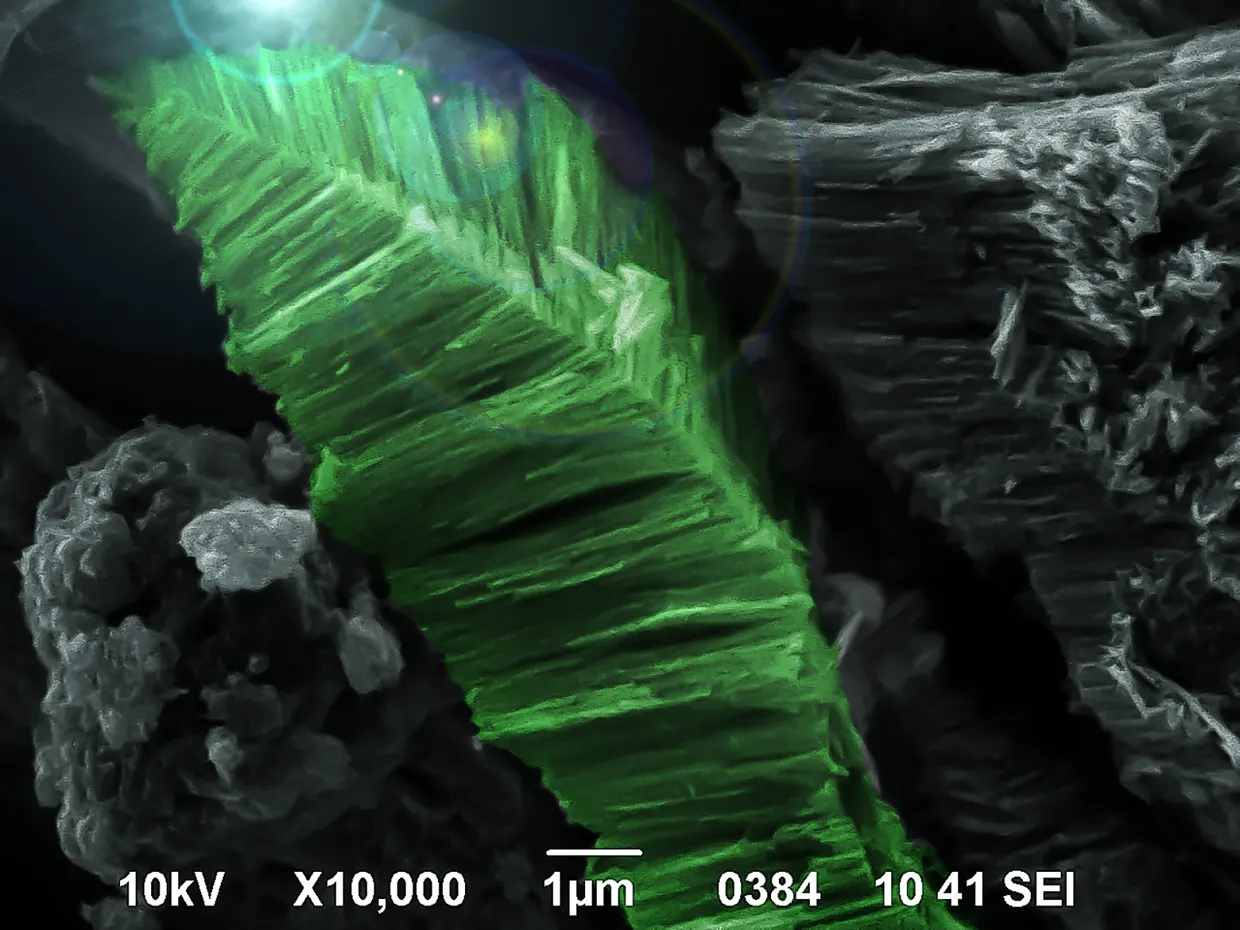
Scientists from the Prokhorov General Physics Institute of the Russian Academy of Sciences, the Kotelnikov Institute of Radio Engineering and Electronics of the Russian Academy of Sciences and MIREA have proposed a way to make diamond films with a chosen roughness: nitrogen is periodically added to the plasma during synthesis. According to Poisk, the results, supported by a grant from the Russian Science Foundation, were published in the journal Vacuum. poisknews.ru
Поискpoisknews.ruOpen source ↗ With 100 fine-crystalline layers, roughness decreased 13-fold.
Why a smooth surface matters
Diamond is transparent and conducts heat well, so its films can serve as coolers for high-power electronics and as elements of optical devices. High surface roughness limits such uses because it scatters light. Polishing is laborious and expensive owing to the hardness of diamond, and for parts of complex shape it is sometimes impossible.
How the synthesis works
The authors used microwave plasma-chemical vapor deposition. Hydrogen and methane, the latter serving as the carbon source, were fed into a vacuum chamber, and microwave radiation created a plasma in which diamond crystals grew on a substrate. During synthesis, nitrogen was periodically added for five minutes. It triggered the formation of new small crystals and prevented large particles from forming. The supply was then stopped, and the crystals continued to grow in the usual mode.
By repeating the cycle, the researchers made films with different numbers of alternating fine- and coarse-grained layers. The more fine-crystalline layers a film had, the smoother its surface. poisknews.ru
Поискpoisknews.ruOpen source ↗
Project leader Artem Martyanov noted that the aim was not to make the whole film nanocrystalline, since such a structure can reduce thermal conductivity and infrared transmission. Instead, the crystal size is controlled during growth by changing the frequency of the short nitrogen additions.
The authors say the method yields thick diamond films with a smoother surface and allows their thermal, electrical and optical properties to be tuned for specific tasks, from heat sinks for high-power electronics to protective coatings and infrared optics. They state that the technology reduces the need for mechanical polishing and in some applications allows it to be dropped.
Plans of the authors
The authors plan to produce individual micro- and nanoparticles for biomedical diagnostics and optical sensors, as well as multilayer structures with alternating diamond and graphite layers for filters. poisknews.ru
Поискpoisknews.ruOpen source ↗