Havmanden slave ship wreck of 1683 off Gothenburg examined: divers recover manillas and a baroque shoe
Divers examined the wreck of the Danish slave ship Havmanden, sunk in 1683 off Gothenburg, and recovered a noble's shoe, a button and two manillas, objects rare in archaeology.
The National Museum of Denmark has reported the examination of the slave ship Havmanden (German: Meermann, "Merman") from Danish colonial history, according to futurezone.de futurezone.de
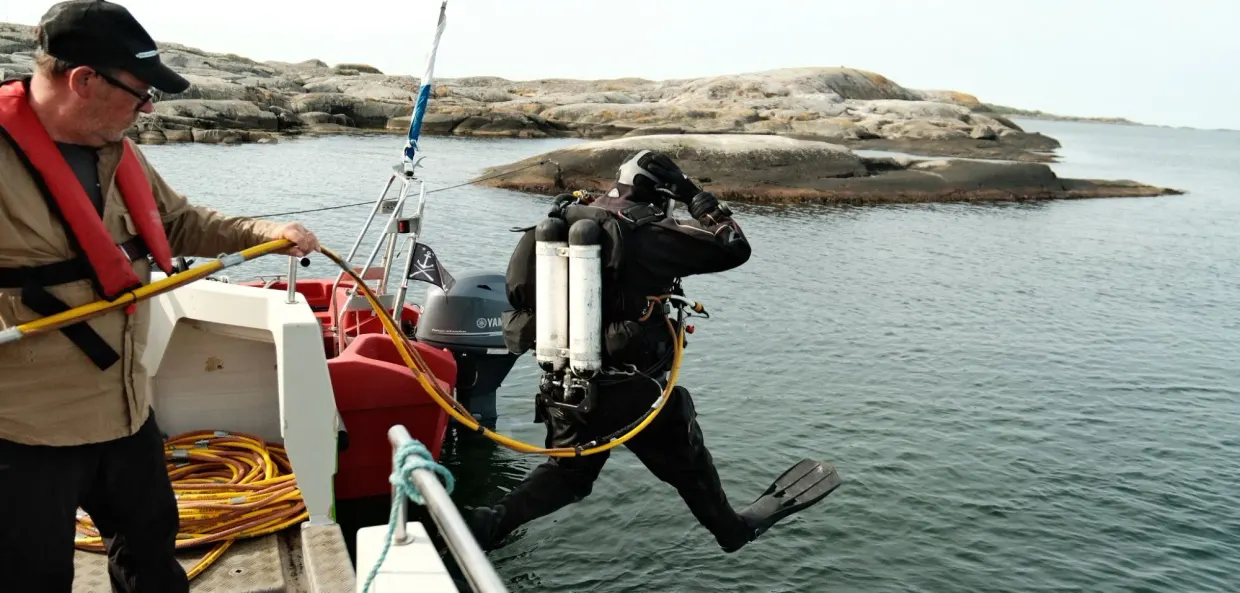
futurezone.defuturezone.deOpen source ↗. The wreck lies on the seabed off Gothenburg, Sweden. The ship dates from the 17th century and sank there in 1683 during a violent mutiny, and it has remained in the sea since. Divers have now examined the remains and recovered several artifacts.
What the divers recovered
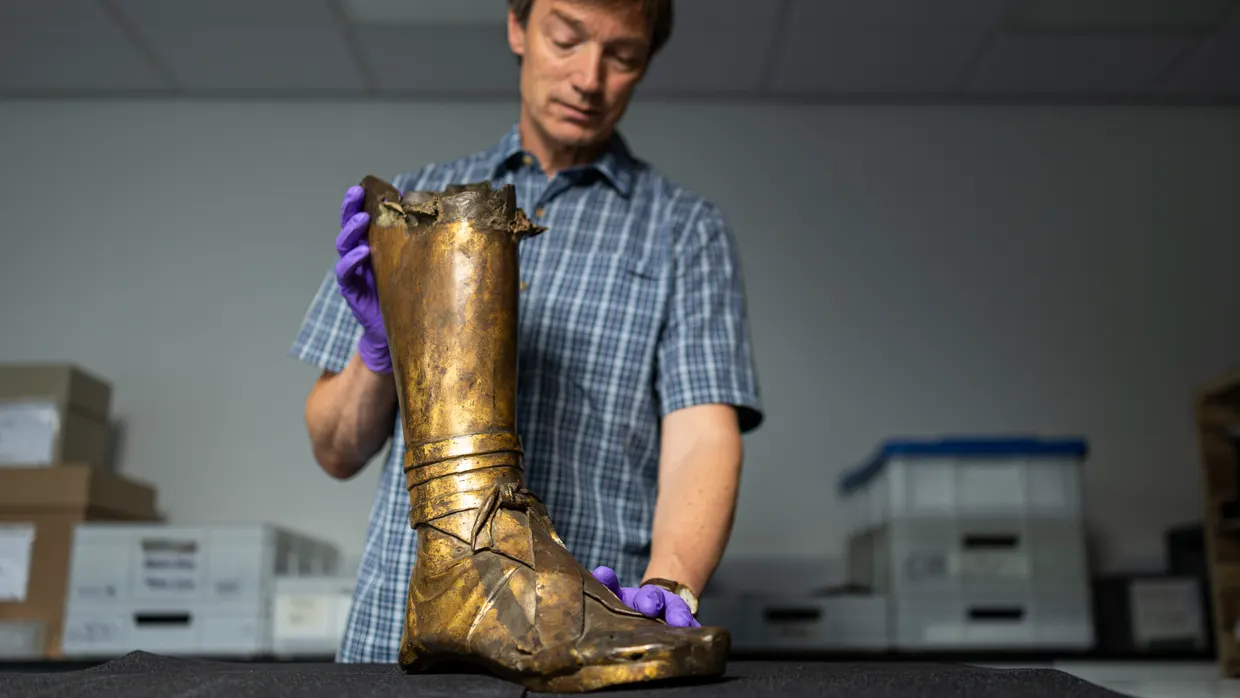
The announcement describes some of the artifacts as extremely rare in archaeology. The recovered items include a gentleman's shoe, a high-quality button and two ring-shaped metal objects. The divers also took samples of the ship's timber.
Analysis of the samples showed that the wood was probably felled in 1664. According to the report, it came from an area in northern Germany or from the Danish peninsula of Jutland.
Manillas and the slave trade
The metal objects proved especially interesting. According to the museum's announcement, they are so-called manillas, which served as a means of payment in West Africa during the era of the European slave trade futurezone.de
futurezone.defuturezone.deOpen source ↗. Andreas Kallmeyer Bloch, a maritime archaeologist at the museum's research centre, said: "The manillas add another layer to the story of the Merman and underline the connection to the slave trade, which formed a central part of Danish colonial activities in both the West Indies and on the west coast of Africa."
The remains of the shoe also drew the researchers' attention. The high quality of the baroque footwear is a rarity in archaeology, and it indicates that it belonged to a nobleman. It is suspected to have been the property of Jørgen Iversen Dyppel, the governor of Danish West Indies at the time.