Berkeley Lab: Nb–Ti and Nb–Ta–Ti–Hf alloys keep fracture toughness at 20 K, up to 170 MPa√m
Two bcc refractory alloys showed no ductile-to-brittle transition down to 20 K in lab tests: toughness reached a plateau instead of falling, as it usually does in bcc metals.
Researchers at Lawrence Berkeley National Laboratory (Berkeley Lab) tested body-centred cubic (bcc) refractory alloys at about 20 K (−253 °C) and found no ductile-to-brittle transition, according to a paper published on nature.com nature.com
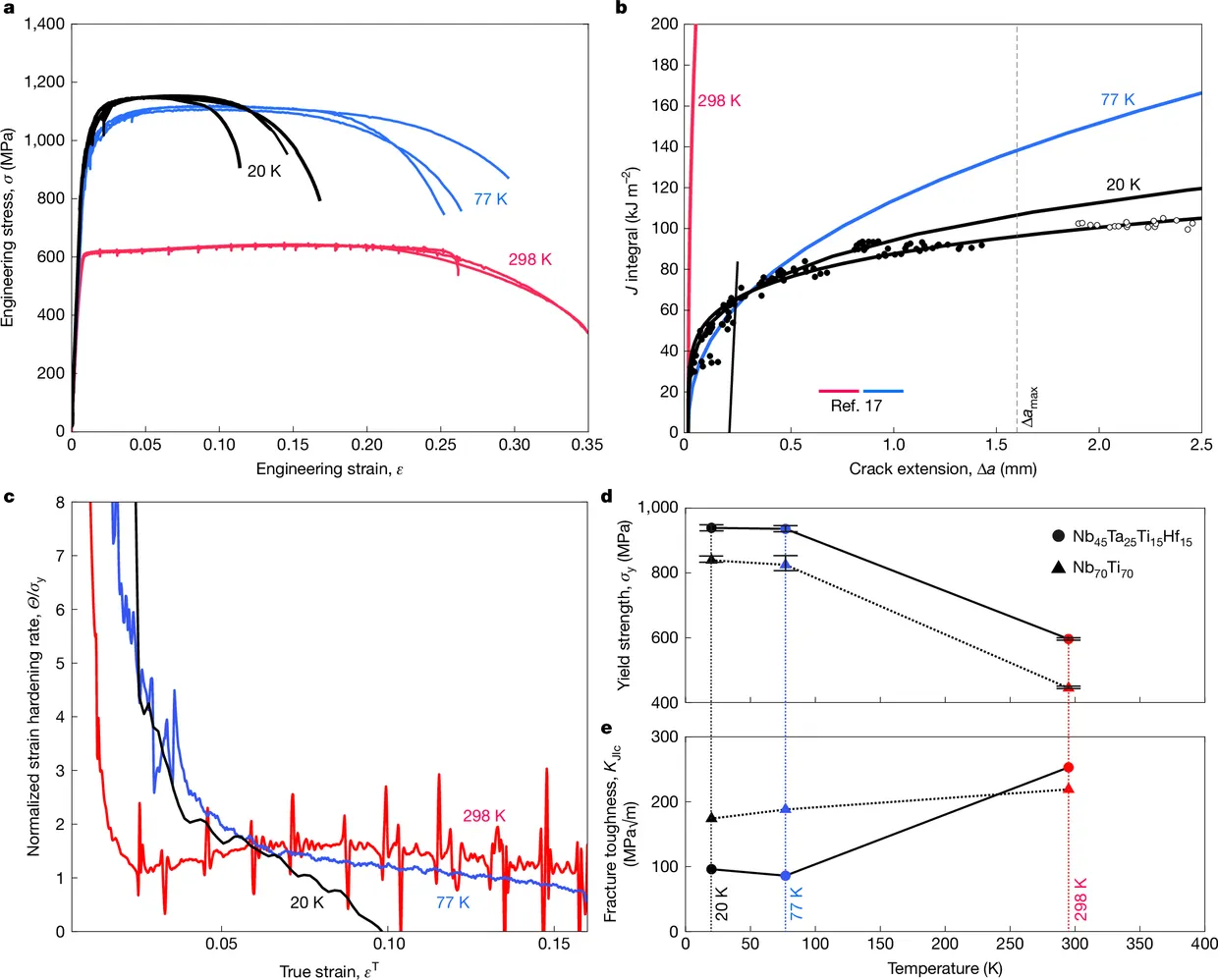
nature.comnature.comOpen source ↗. Tensile yield strength and fracture toughness formed a plateau as temperature decreased instead of dropping off. The study was led by Prof. Robert Ritchie. The alloys examined include Nb45Ta25Ti15Hf15 and Nb70Ti30.
According to the institute's account of the results, the fracture toughness of the multicomponent alloy reached almost 100 MPa√m at 20 K, and that of the binary alloy up to 170 MPa√m. At room temperature it exceeded 250 MPa√m. Earlier work had measured up to 90 MPa√m at 77 K for Nb45Ta25Ti15Hf15. For comparison, co-author David Cook of the University of Cambridge said that steel, one of the toughest bcc materials, has 10–20 MPa√m at helium temperatures, and silicon about 3 MPa√m.
Why bcc metals usually turn brittle
In bcc metals and alloys, plastic deformation is conventionally carried by screw dislocations. Their motion relies on thermally activated kink-pair nucleation, so glide becomes sluggish at low temperature. Strength then rises steeply, the plastic zone at the crack tip constricts, and failure becomes brittle. This ductile-to-brittle transition has limited bcc alloys from steels near room temperature to refractory alloys at up to 1,200 °C.
Twinning and ω-phase instead of dislocation glide
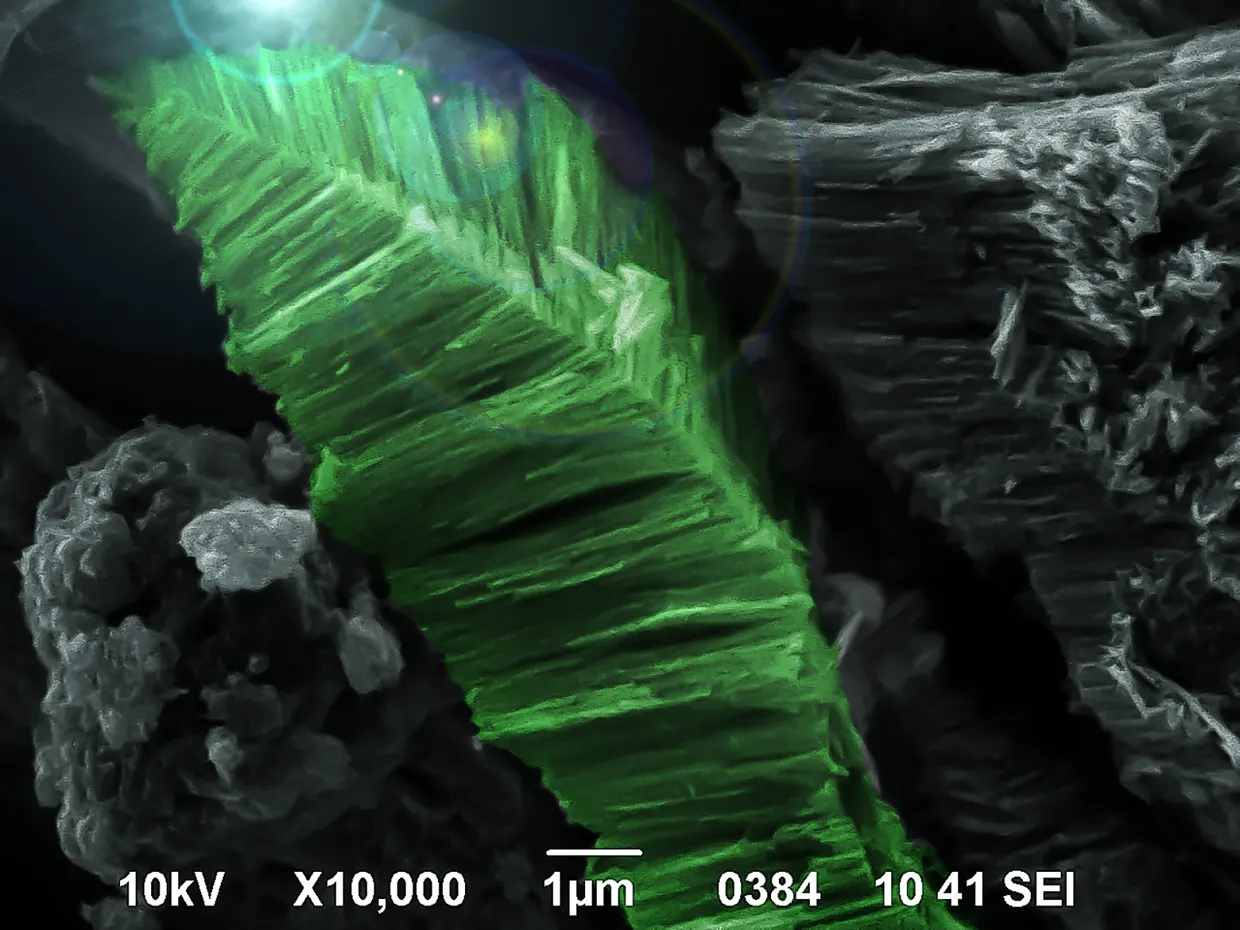
The authors studied group IV–V bcc refractory alloys with similar electronic structures. They ran uniaxial tensile tests and nonlinear-elastic J-based fracture toughness tests, followed by electron backscatter diffraction, fractography and transmission electron microscopy nature.com
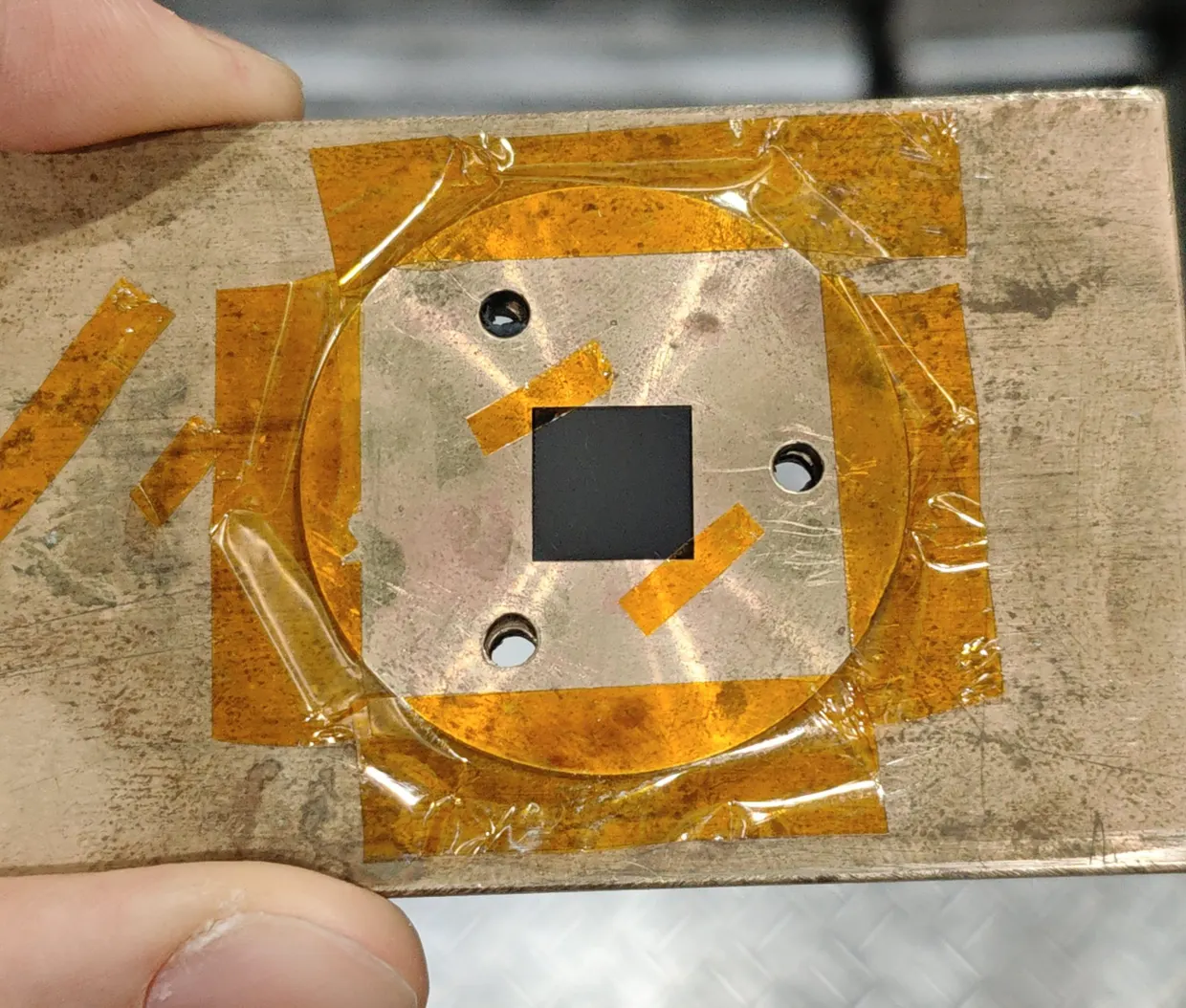
nature.comnature.comOpen source ↗. Samples were prepared by different kinds of mechanical processing, from rolling to forging.
The plateau arises from the global activation of twinning and an ω-phase transformation, which nucleate dislocations at interfaces before global dislocation motion begins. This initial mechanism is temperature insensitive and controls yielding. As a result, the crack-tip plastic zone does not constrict as temperature falls.
Ritchie reported toughness over a range from 20 K to 1,300 °C and noted that much about the sequence of deformation mechanisms is still unclear. He added that the alloys are not the strongest, but fracture resistance and heat tolerance matter more for some applications. Their chemical behaviour at high temperature is not yet known, and oxidation and corrosion will be the subject of further studies.