Science study: Arctic and Antarctic sea ice, snow cover and permafrost have passed safe limits
Authors of a study in Science analysed 12 thousand years of cryosphere change and found that sea ice, snow cover and permafrost are already outside the range of stability.
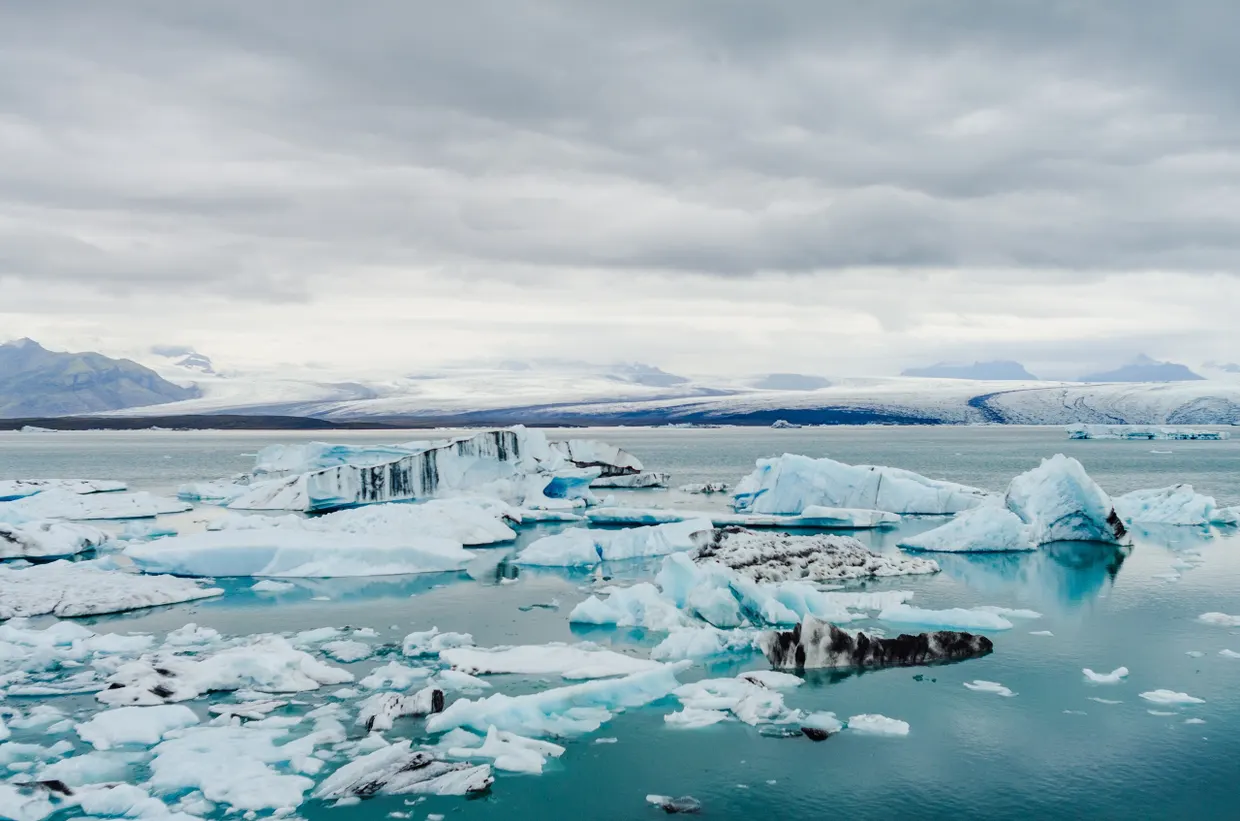
Global warming has already pushed sea ice, snow cover and permafrost beyond limits considered safe for the stability of these regions, according to a study published in the journal Science and reported by olhardigital.com.br. The authors analysed changes in the Earth's cryosphere over the past 12 thousand years. olhardigital.com.br
olhardigital.com.brolhardigital.com.brOpen source ↗
The cryosphere covers all parts of the planet's surface where water stays solid: glaciers, snow, sea ice and frozen ground. The researchers say the limits identified in the study describe conditions within which these regions remained relatively stable throughout that period.
What has crossed the limits
According to the study, Arctic and Antarctic sea ice, snow cover and the extent of permafrost have already exceeded these limits. Permafrost is ground that stays frozen for long periods and stores large amounts of carbon.
Ice accumulated on land has not yet crossed the limit but is close to it. The researchers consider it likely that this will happen in the coming centuries, because of warming already built into the climate system. olhardigital.com.br
olhardigital.com.brolhardigital.com.brOpen source ↗
Albert Noström, a researcher at the Stockholm Resilience Centre in Sweden and a co-author of the study, says the impacts of these changes are not confined to the places where ice and snow are disappearing.
Risks and proposed measures
One concern is West Antarctica: its ice sheet holds enough volume to raise sea level by about three meters if it melted completely. This does not mean that a rise of this size is expected next year. When frozen ground degrades, it can release carbon dioxide and methane into the atmosphere, and these gases intensify the greenhouse effect. Melting of the Greenland ice sheet may also affect ocean currents that help keep temperatures milder in Europe.
According to Noström, reducing greenhouse gas emissions is the most urgent measure for protecting frozen regions. He also argues that broader interventions should not be ruled out in advance. olhardigital.com.br
olhardigital.com.brolhardigital.com.brOpen source ↗
Some such initiatives have already been tested or proposed. In the Alps, scientists covered glaciers in summer to reduce melting. Other ideas include pumping cold ocean water to the surface and building a barrier to help stabilize the West Antarctic ice sheet. These options may be costly, their effectiveness is not guaranteed, and they do not replace cutting the burning of fossil fuels, the main source of global warming.