Federal University of Paraná: 75 years of data show El Niño drought in Amazonia, floods in the south
Researchers analysed 15 El Niño events using monthly rainfall records and found a sharp continental contrast that seasonal averages do not capture.
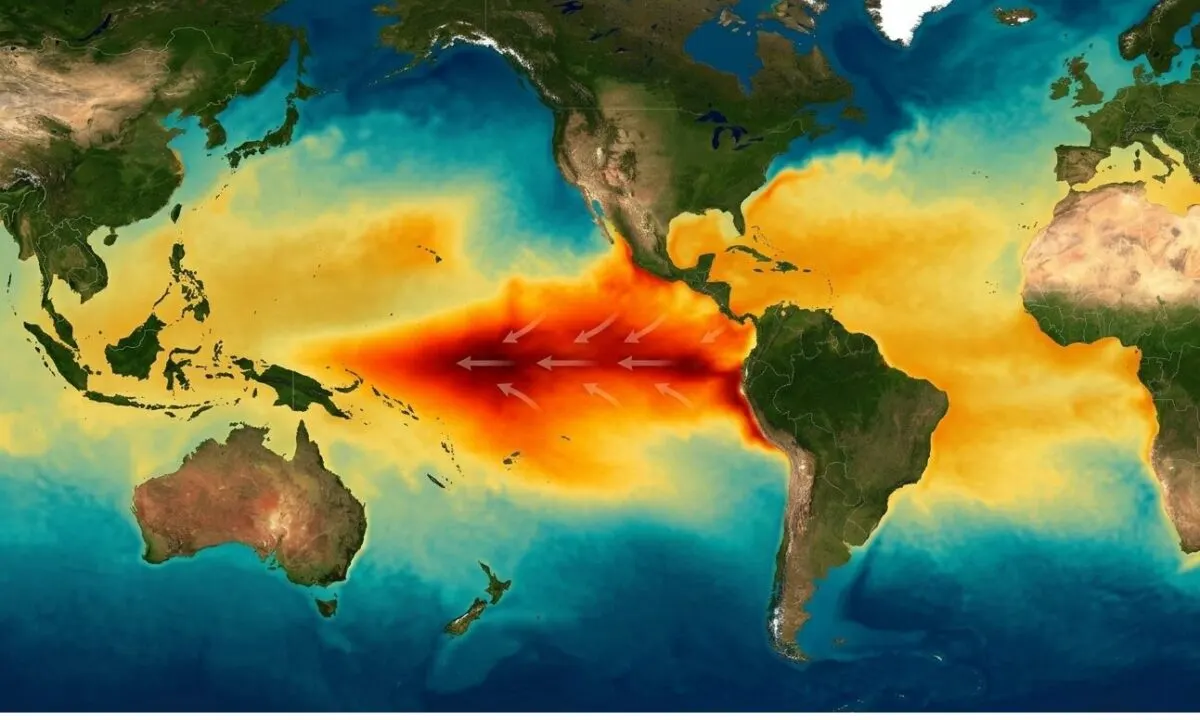
Scientists at the Federal University of Paraná in Curitiba, led by Alice Grimm, analysed a 75-year historical dataset covering 15 distinct El Niño events, according to meteoweb.eu. The study was published in the journal Atmospheric and Oceanic Science Letters. meteoweb.eu
meteoweb.eumeteoweb.euOpen source ↗ The rainfall data came from thousands of measuring stations across South America and were verified for about a year.
Method: monthly data and influence functions
The information was processed month by month rather than as seasonal averages. Using so-called "influence functions", the team identified the key atmospheric sources that drive tropical and extratropical teleconnections. According to the authors, this makes it possible to predict with greater accuracy where and when the heaviest precipitation will occur.
The researchers note that earlier studies describe seasonal variations in the impact of El Niño. However, seasonal averages do not capture the intense and sudden fluctuations revealed by the new work.
Results: drought in the north, floods in the south
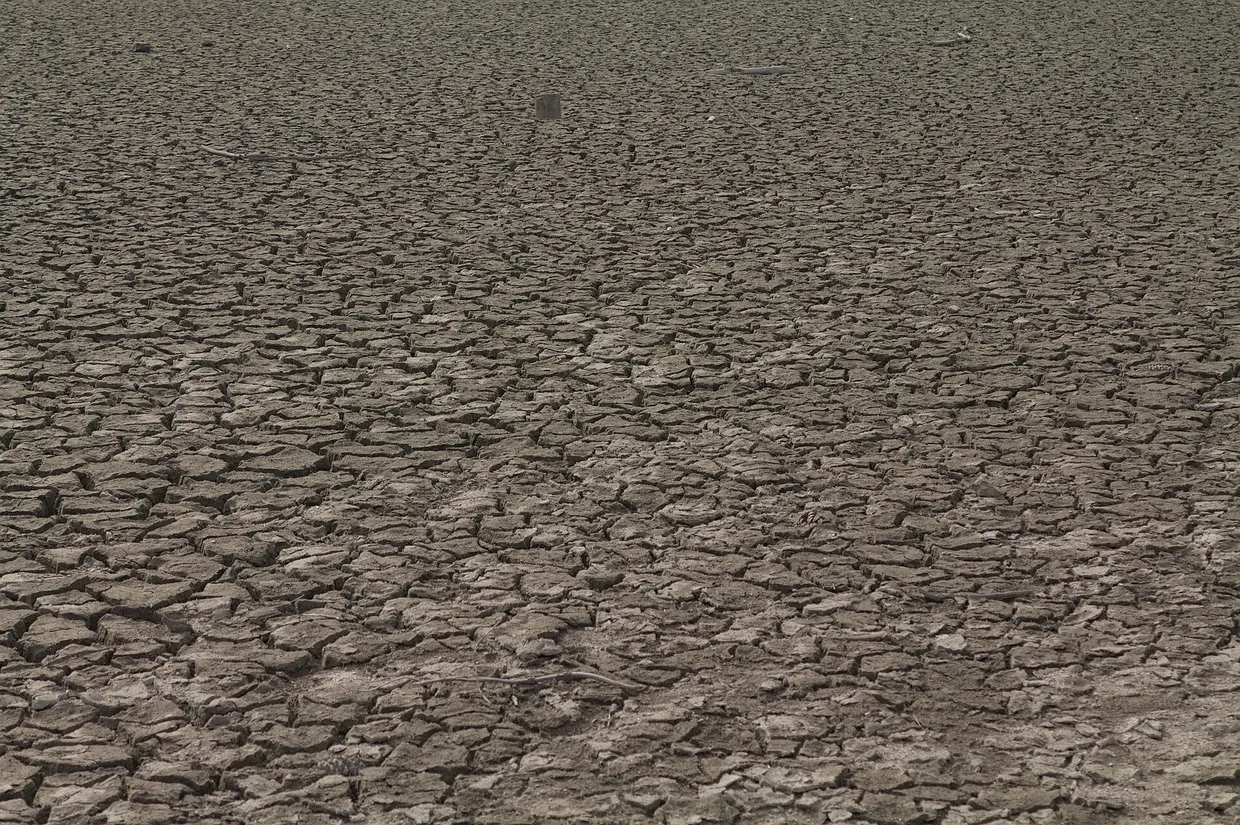
The results show a sharp contrast across the continent. Northern Amazonia suffers very severe drought, while the subtropical regions and southern Brazil experience torrential rain and floods. meteoweb.eu
meteoweb.eumeteoweb.euOpen source ↗
The next goal, the experts explain, is to go beyond simple averages of precipitation and study how El Niño changes the direct frequency of extreme weather events. The authors state that such events cause the greatest socio-economic damage. Identifying exactly where and when they become more frequent, they conclude, would allow local administrations to strengthen civil protection plans and reduce the vulnerability of territories.