Engineered Mycoplasma pneumoniae thins Pseudomonas biofilm on breathing tubes by about 40% in pigs
A genetically modified bacterium given through a nebulizer reduced biofilm thickness on endotracheal tubes in pigs. Earlier, the approach had been tested only in mice.
A team from Barcelona reported that an inhaled, genetically engineered bacterium thinned biofilms of antibiotic-resistant Pseudomonas aeruginosa in the lungs of pigs. The study was published in eBioMedicine and is described by news-medical.net news-medical.net
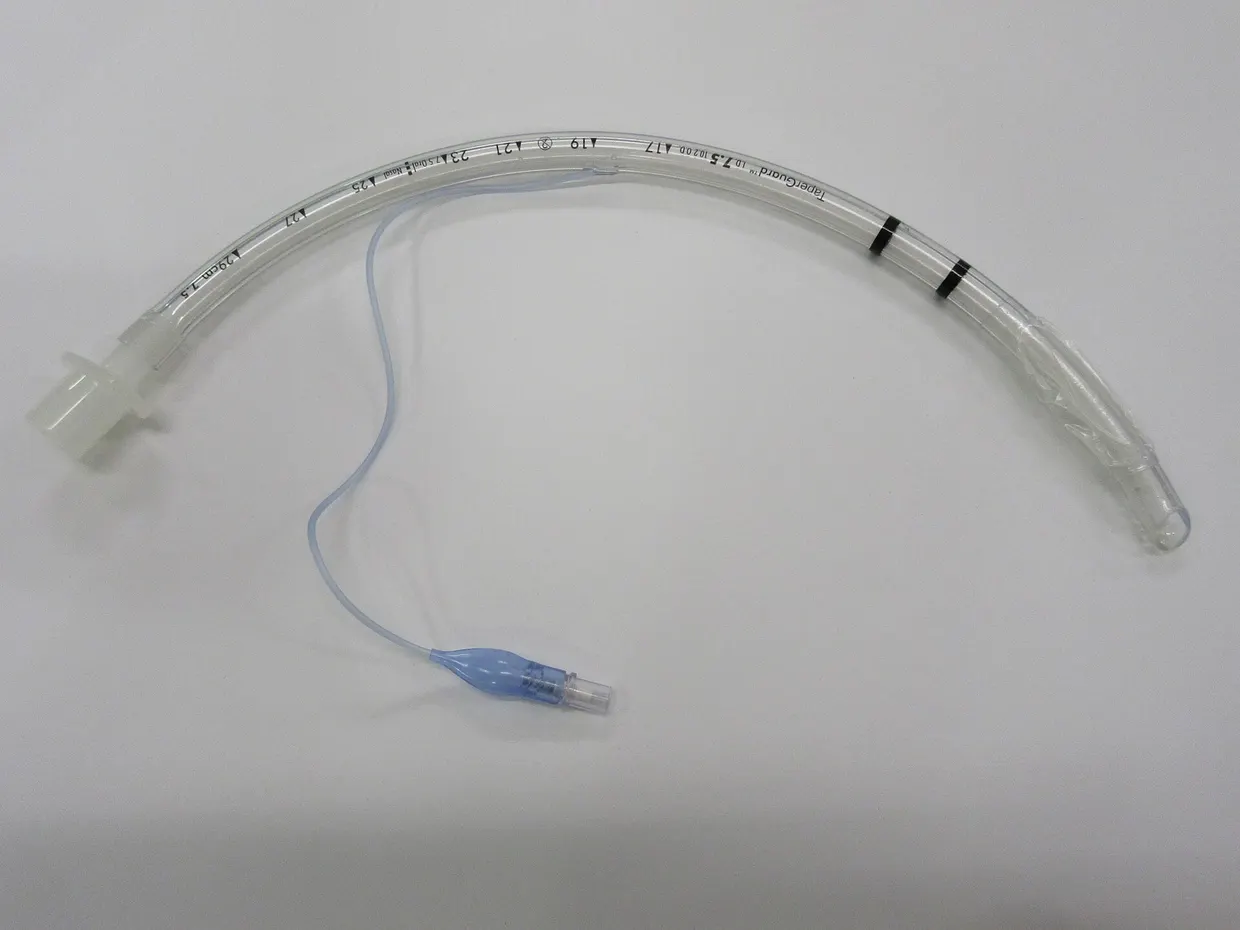
news-medical.netnews-medical.netOpen source ↗. The biofilm on the inside of breathing tubes became thinner, from 6.08 to 3.67 micrometres, a reduction of around 40%.
This is a preclinical result. According to the authors, it is the first time the approach has worked in pigs, whose lungs are similar to human lungs in size, structure and immune response. Before this, the treatment had been shown to act on biofilms only in mice. It is also the first time it was delivered through a nebulizer, the same type of device used for patients.
How the engineered bacterium works
The platform is Mycoplasma pneumoniae, a bacterium that normally causes a mild lung infection. Through genetic engineering it was made harmless for humans. The authors loaded it with genes for enzymes that dissolve the sugars holding a biofilm together, and with toxins that act only on Pseudomonas aeruginosa. The authors describe the approach as a live biotherapeutic: a bacterium adapted to the lung is reprogrammed to deliver therapeutic molecules instead of causing damage.
Safety findings and clinical context
Examination of the lungs afterwards showed no signs of damage caused by the engineered bacterium. The treatment had no measurable effect on the animals' own airway bacteria, which the authors take as a sign that it targets Pseudomonas specifically news-medical.net
news-medical.netnews-medical.netOpen source ↗.
The work concerns patients who cannot breathe on their own and are kept alive through a tube in the windpipe. Within days, bacteria colonise the inside of the tube and form a protective biofilm. Antibiotics given through a drip penetrate it poorly, which leads to recurring infections, including ventilator-associated pneumonia. Around 1 in 4 cases of this pneumonia are caused by P. aeruginosa, which is often resistant to several classes of antibiotics.
The authors say the findings support a future first-in-human safety trial. They also suggest that combining the bacterium with intravenous antibiotics, or modifying the biofilm-dissolving molecules, could improve effectiveness. The CRG team is also developing versions of the approach for pulmonary fibrosis and lung cancer.
The study is a collaboration between the Centre for Genomic Regulation (CRG) and Hospital Clínic-IDIBAPS in Barcelona. The animal experiments were carried out at the University of Barcelona. The co-first authors are Laia Fernández-Barat and Ana Motos news-medical.net
news-medical.netnews-medical.netOpen source ↗.