Elatostema genus traced to tropical Asia 38.61 million years ago, with two colonizations of Africa
Molecular dating of 99 Elatostema taxa places the genus origin in Eocene tropical Asia. The authors report two independent dispersals from Asia to Africa, which argues against Gondwanan vicariance.
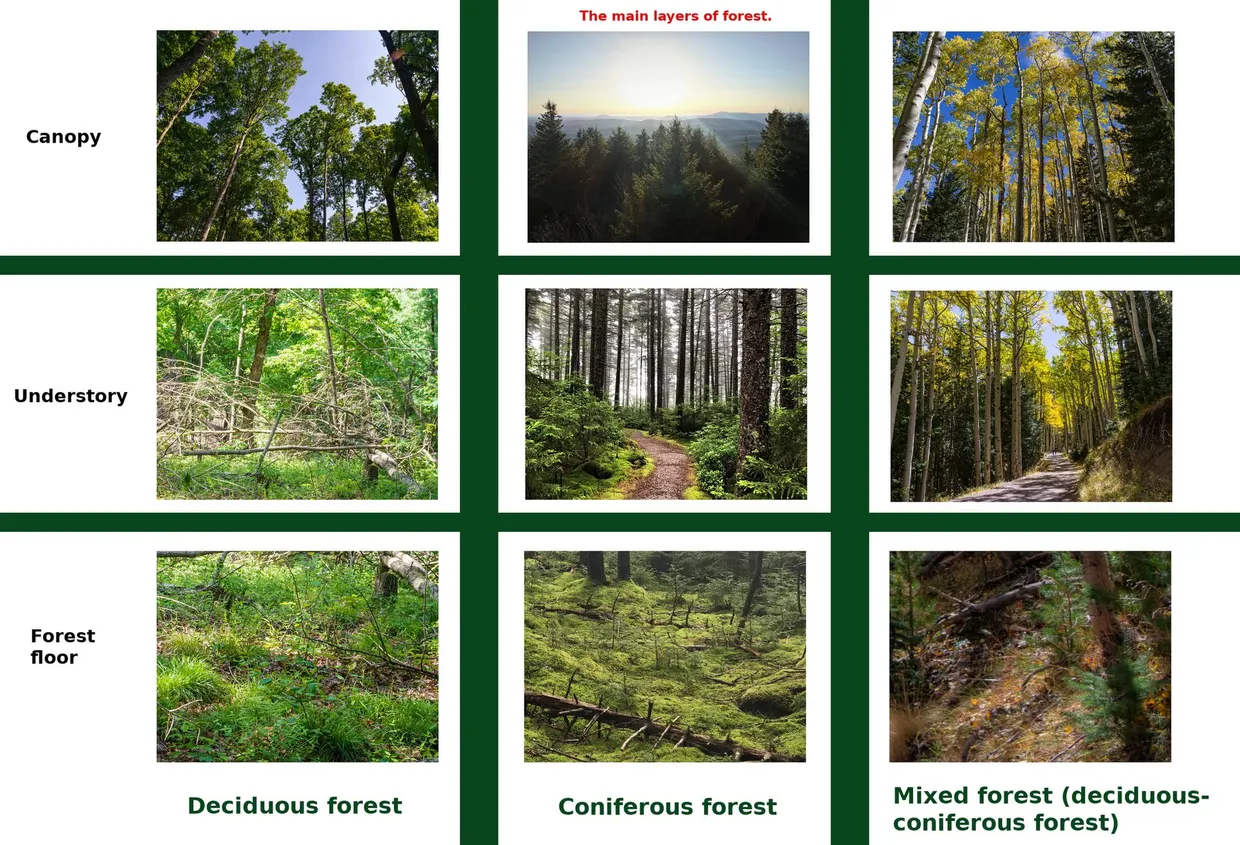
Yu-Hsin Tseng, Alex K. Monro and Jer-Ming Hu reconstructed the biogeographic history of Elatostema, a genus in the nettle family Urticaceae, according to a study in Botanical studies. The genus includes more than 650 species of understory herbs, subshrubs and shrubs in tropical and subtropical Africa, Asia and Australasia. The authors place its origin in tropical Asia in the Eocene, with a stem divergence date of 38.61 million years ago biomedcentral.com
Botanical studiesbiomedcentral.comOpen source ↗.
An earlier estimate put the origin at about 42 million years ago. It relied on roughly 30 species, mostly from China, and omitted African and Southeast Asian lineages, so the routes of intercontinental colonization remained unverified.
Data and dating methods
The team assembled a dataset of 146 taxa, including 99 of Elatostema from Africa, Madagascar, Asia and the islands of Australasia. It covered the main infrageneric groups: Weddellia, African-Elatostema, Pellionia and the core Elatostema clade. Sequences came from three markers, the nuclear ITS region and the chloroplast regions psbA-trnH and psbM-trnD. The aligned matrix was 3,130 base pairs long, with 1,684 variable sites and 1,174 parsimony-informative characters.
Divergence times were estimated with BEAST 2.7.5 and with penalized likelihood in treePL. The calibration used a fruit fossil of the related genus Pilea, about 39 million years old, plus secondary calibrations from earlier Urticaceae studies. The two methods gave congruent topologies, and ages at key nodes generally differed by less than two million years biomedcentral.com
Botanical studiesbiomedcentral.comOpen source ↗.
Origin and dispersal
Elatostema in the broad sense began diversifying 41.09 million years ago and split into three genera: Procris, Elatostematoides and Elatostema in the strict sense. Within the latter, divergence began in the Oligocene, 31.45 million years ago. The Pellionia and African-Elatostema clades arose 29.19 and 27.64 million years ago. The core Elatostema clade began diversifying about 19.79 million years ago, in the early Miocene, and formed five subclades.
Ancestral area reconstruction in BioGeoBEARS, run within RASP, favored the BAYAREALIKE model with founder-event speciation and placed the common ancestor in tropical Asia. The authors link the timing to boreotropical floras. The Weddellia, Pellionia and African-Elatostema lineages show gaps of 20.89 to 30.03 million years between stem origin and crown diversification.
The reconstruction identified at least two independent dispersals from Asia into Africa. The authors say this rules out Gondwanan vicariance. Diversification of the core clade was driven by events in Asia and Oceania. The authors name reciprocal dispersal between Malesia and Australasia, eastward island hopping and karstification in China as contributing factors. They also report a geographic phylogenetic structure, possibly due to limited seed and pollen dispersal biomedcentral.com
Botanical studiesbiomedcentral.comOpen source ↗.