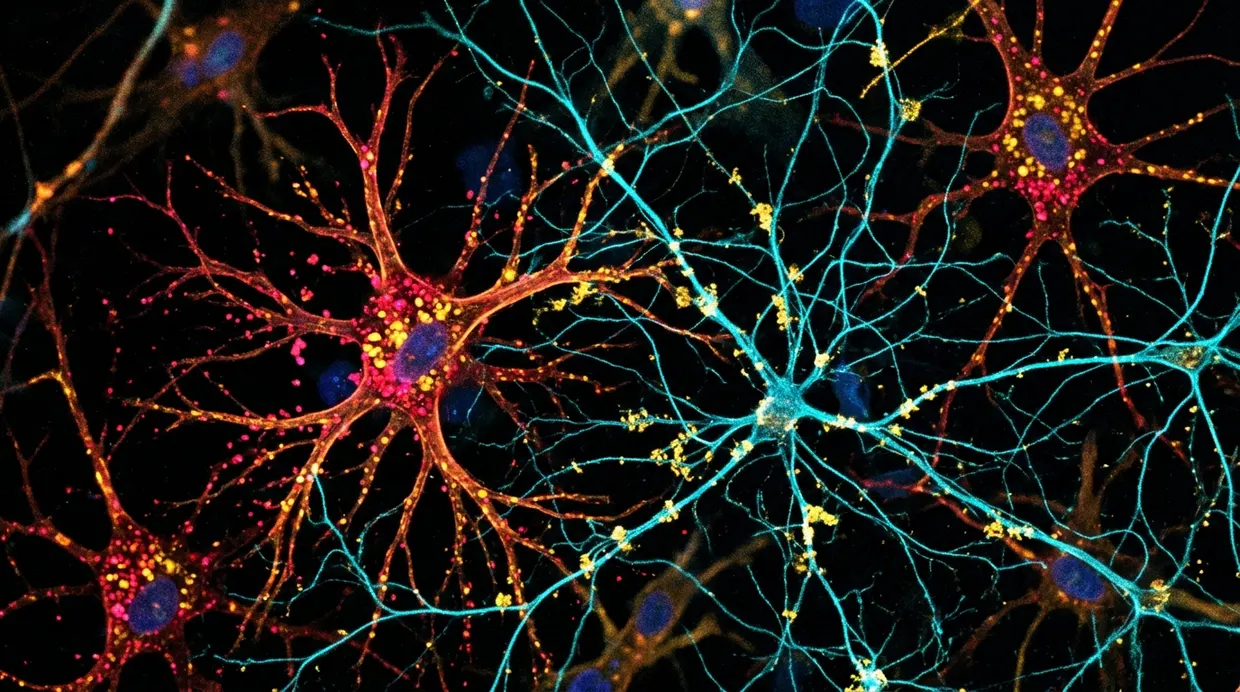
ASU-led team maps 5.3 million brain cells of 55 rhesus macaques across the lifespan
ASU-led researchers profiled cells in 11 brain regions of rhesus macaques from infancy to old age and compared age-related gene changes with Alzheimer's disease.
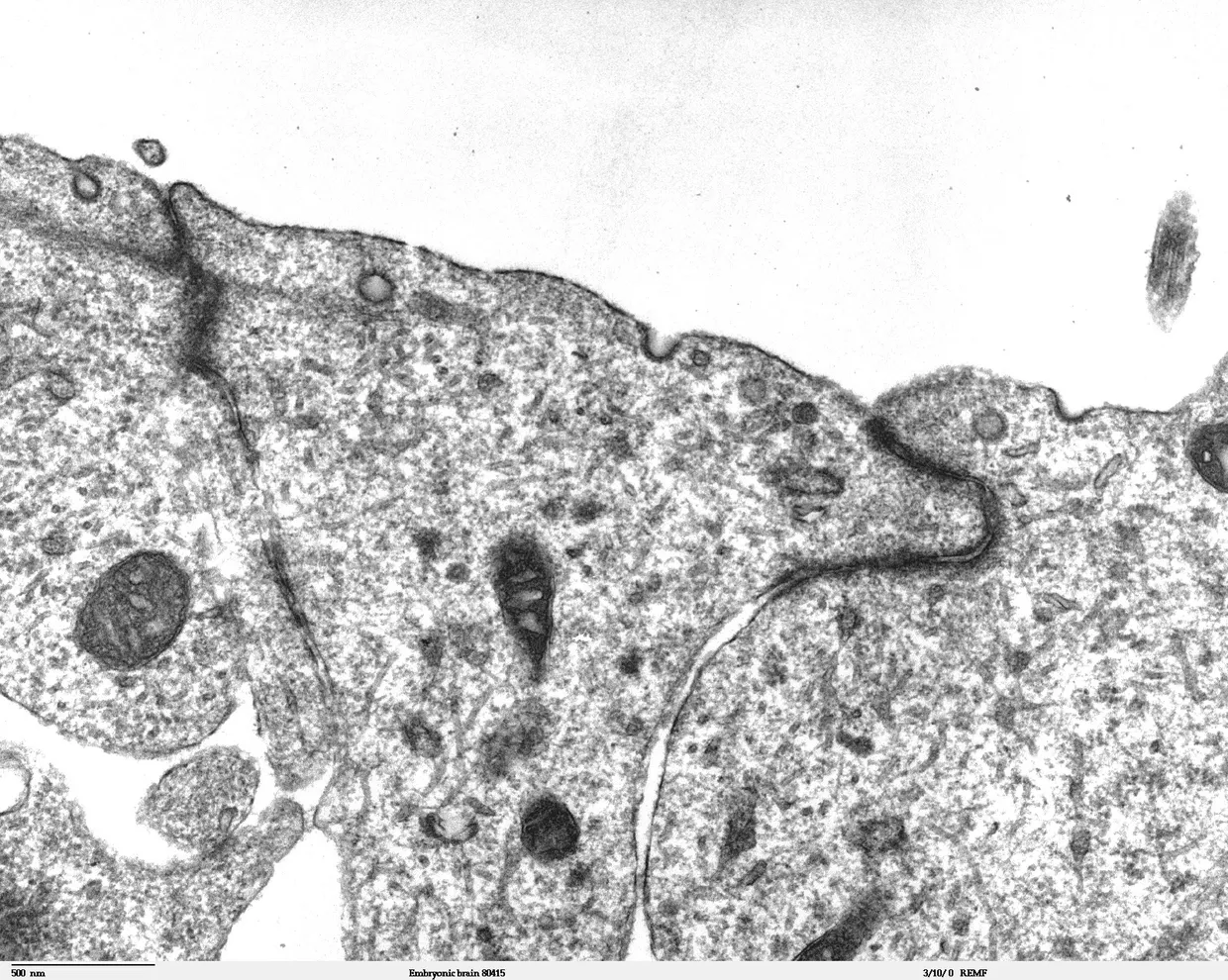
A team led by Arizona State University has published a high-resolution atlas of the aging primate brain, according to newswise.com. newswise.com
newswise.comnewswise.comOpen source ↗ The analysis covers 5.3 million individual brain cells from 55 rhesus macaques, from early life to old age. The paper is part of a Cell Press package of 27 studies from the BRAIN Initiative Cell Atlas Network, which brings together dozens of labs in nine countries and 50 institutions. Across the whole package, the teams profiled over 29 million cells from human, macaque and marmoset brains.
The ASU team used single-nucleus RNA sequencing, which measures gene activity in individual cells instead of averaging signals across tissue. They analyzed 11 brain regions, including areas involved in memory, decision-making and motor control. The dataset contains 12 major cell classes and 225 subtypes, from neurons to glial and immune cells.
Which brain cells change with age
According to the authors, aging does not affect all brain cells equally. Neurons remain relatively stable in number, while astrocytes, microglia and oligodendrocytes show substantial shifts in abundance and molecular state over time. One subtype of excitatory neurons in the cortex declines sharply with age; these neurons are also known to be depleted in Alzheimer's disease.
The changes also differ between regions. newswise.com
newswise.comnewswise.comOpen source ↗ Areas involved in higher cognitive function, such as the prefrontal cortex, show particularly strong age-related changes in gene activity, while parts of the cerebellum show distinct patterns of cellular change.
Overlap with Alzheimer's disease and sex differences
Many genes whose expression changes with age also change in Alzheimer's disease, often in the same direction. In some cases, more than half of the age-related gene changes overlapped with those seen in Alzheimer's. Microglia, the brain's immune cells, showed particularly strong overlap.
Overall cell composition was similar in males and females. Subtle molecular differences appeared within specific cell types and regions, including those implicated in sex-biased neurodegenerative diseases such as Alzheimer's and Parkinson's. The authors note that sex should be considered a biological variable in brain aging research.
The atlas is the first major output of the BRAIN Initiative Cell Atlas Network, whose goal is a complete atlas of the cell types in the human brain. newswise.com
newswise.comnewswise.comOpen source ↗ Study leader Noah Snyder-Mackler called the dataset foundational for studying the biology of aging.
Sources · 1
Found a mistake?Read also