Akure North dumpsites: soil pH down to 5.51 and Cd up to 4.02 mg/kg, field study in Nigeria
Soils at four municipal dumpsites in Ondo State, Nigeria, were more acidic and had higher conductivity than control sites; Cd exceeded WHO and NESREA limits at three sites.
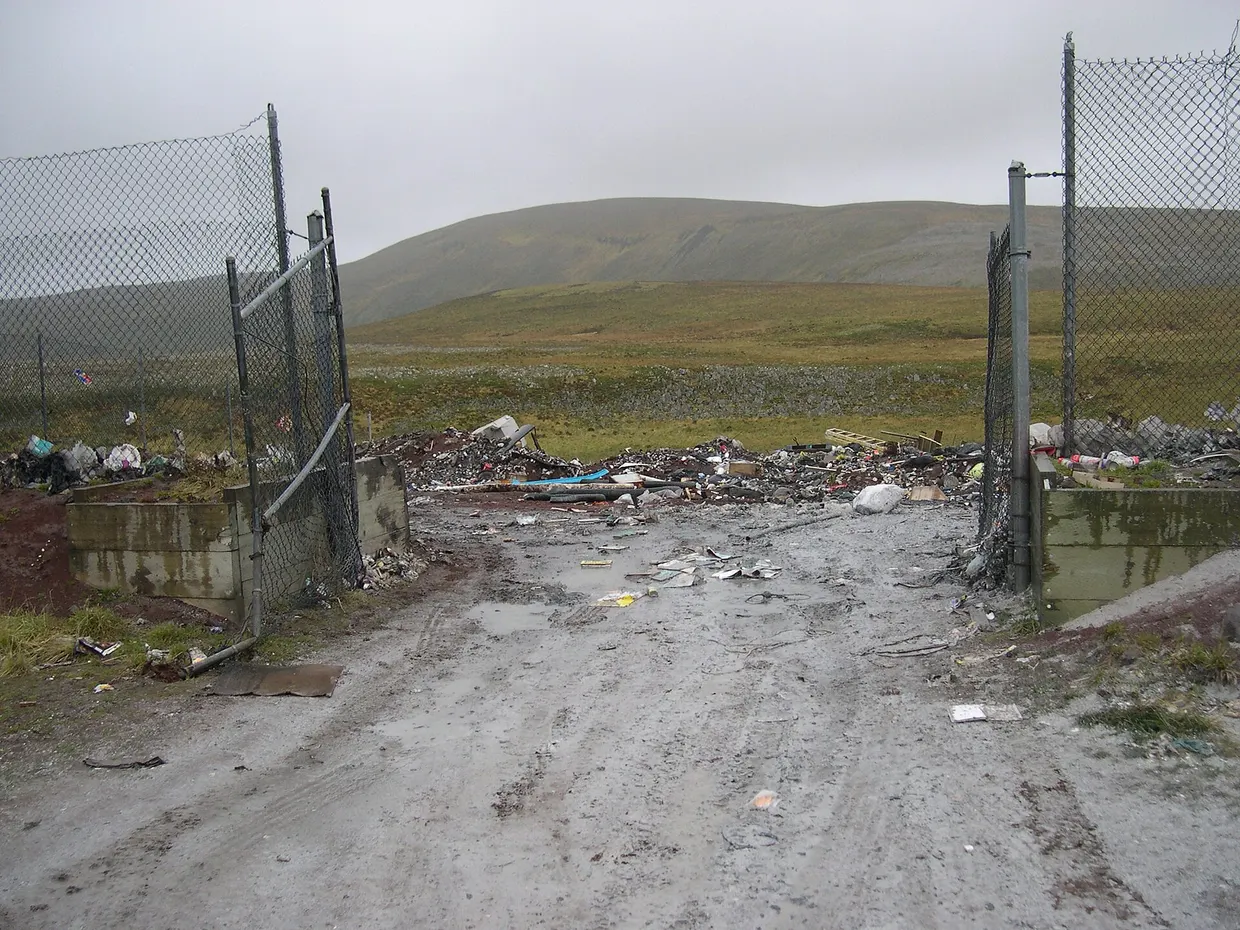
A field study of municipal solid waste dumpsites in Akure North Local Government Area, Ondo State, Nigeria, reports degraded soil quality and heavy metal accumulation in soil and native plants, according to the paper at doi.org springer.com
doi.orgspringer.comOpen source ↗. The researchers sampled four dumpsites: Shasha (Site A), Glory Land (Site B), Ogbese (Site C) and Igbatoro (Site D). Each was paired with a control site one kilometer away.
Sampling took place in the wet season. Soil was collected at two depths, 0–15 cm and 15–30 cm, and each physicochemical parameter was measured in duplicate. Dominant native plant species were sampled alongside the soil.
Soil acidity, conductivity and organic matter
Dumpsite soils had lower pH (5.51–6.47) than controls (6.38–8.18). Electrical conductivity was higher in dumpsite soils (61.5–242.5 µS/cm) than in controls (23.5–96.5 µS/cm). Organic matter was generally higher at dumpsites, 1.10–2.81% against 0.96–2.66%, although the pattern varied by location. Sand, silt and clay fractions differed little between treatments.
Site A showed the largest pH reduction (−2.04 units) and the largest organic matter increase (+1.17%). At Site C, dumpsite soil reached 242.5 µS/cm against 62.5 µS/cm in paired controls, a four-fold difference. The authors note that lower pH increases the solubility and mobility of metals such as Pb and Cd springer.com
doi.orgspringer.comOpen source ↗.
Heavy metal concentrations
Cd, Pb, Zn, Fe and Cu were detected across the dumpsites, while Cr and Ni stayed below detection limits. Because of non-normal distributions and unequal variances, the authors used Kruskal–Wallis tests; each value is a mean of n = 2.
Mean Cd ranged from 0.01 to 4.02 mg/kg dry weight, above control values. At 0–15 cm, Sites A, B and C exceeded both the WHO limit (0.8 mg/kg) and the NESREA standard (3.0 mg/kg), with a peak of 4.02 mg/kg. Site D showed no evidence of Cd contamination. Mean Pb ranged from 13.51 to 61.51 mg/kg dry weight, also above control values.
According to the study summary, metal accumulations reached up to 55,850 mg/kg in dumpsite soils and up to 49,050 mg/kg in native plant tissues. The authors attribute the spatial distribution of the metals mainly to local waste disposal practices and site-specific geology springer.com
doi.orgspringer.comOpen source ↗.