Oxford anthropologists publish open-access study of emptying places from Latvia to the Russian Far East
A team led by Dace Dzenovska describes places where jobs, transport, schools and clinics have disappeared, based on ethnographic fieldwork in four regions.
A team of anthropologists led by Dace Dzenovska of the University of Oxford has published Living Emptiness: Place, Power, and Meaning-Making from the Baltic to the Russian Far East, according to Stanford University Press eBooks. The book is the result of a five-year research project and is available open access doi.org
Stanford University Press eBooksdoi.orgOpen source ↗. It documents places in the former socialist world where people leave or age, and where jobs, buildings and services decline
doi.org
Stanford University Press eBooksdoi.orgOpen source ↗.
What the authors studied
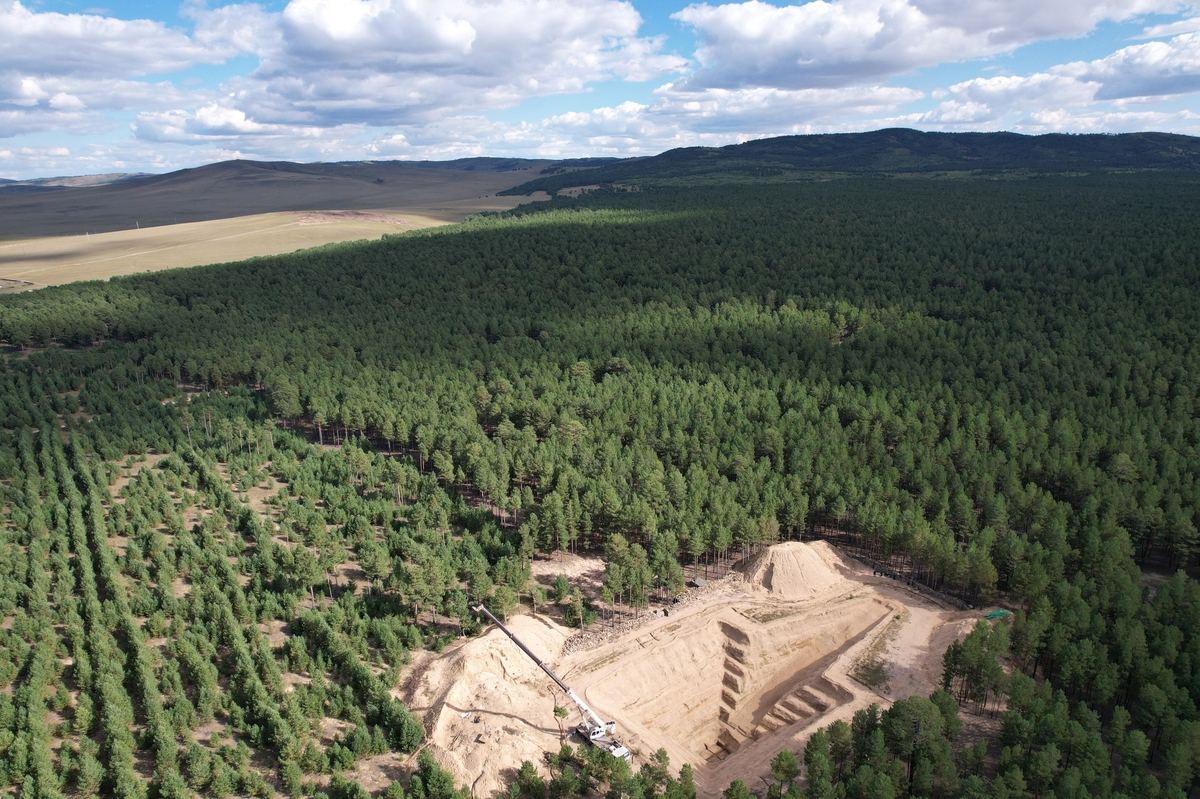
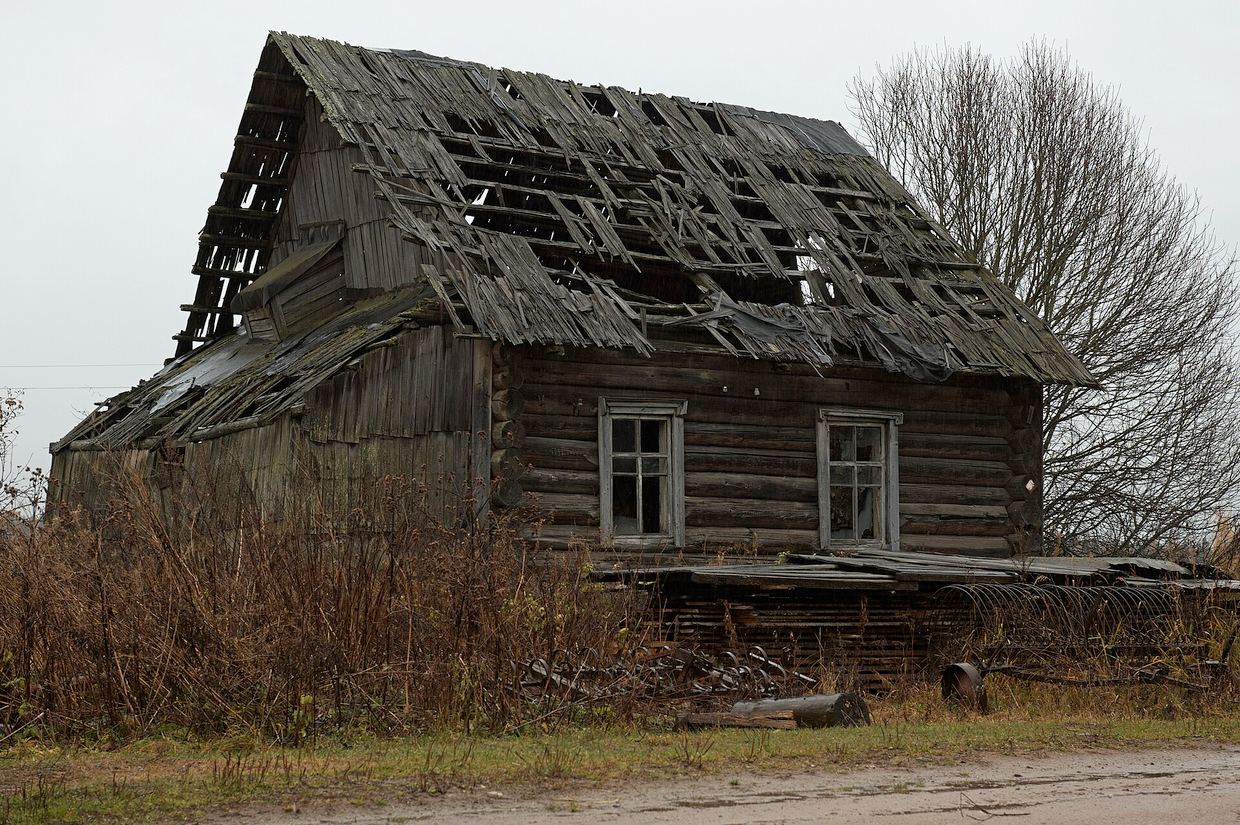
The fieldwork covered the Latvian borderlands, the Armenian highlands, Ukraine and the Russian Far East. The book describes places where unemployment, degraded buildings, and the disappearance of trains, buses, schools and medical facilities coexist with an expansion of space and time and an abundance of wild nature doi.org
Stanford University Press eBooksdoi.orgOpen source ↗. Previous social relations thin out, but new forms of sociality emerge. According to the authors, the older frameworks of meaning do not capture these changes, and the language of emptiness fills the gap
doi.org
Stanford University Press eBooksdoi.orgOpen source ↗.
The authors focus on a specifically postsocialist form of emptiness. They say it emerged through the tensions of competing modernities and imperial formations, although the processes that produce emptying places are not limited to these locales doi.org
Stanford University Press eBooksdoi.orgOpen source ↗.
Method and format
The work is a comparative and collaborative ethnography that uses text, sketches, photographs and film doi.org
Stanford University Press eBooksdoi.orgOpen source ↗. Readers can navigate it in three ways: thematic essays, reflections on fieldwork, and a visual-spatial landscape. The authors argue that emptying places are becoming more common worldwide, while global cities become denser, more diverse and multi-systemic. They call such places a frontier of contemporary spatial transformation
doi.org
Stanford University Press eBooksdoi.orgOpen source ↗.
Dzenovska said the research can serve as a lens for thinking about "left behind" places elsewhere in Europe. As an example, she asked why deindustrialisation in Eastern Europe leads to emigration, whereas in Blackpool, England, it has resulted in a concentration of poverty doi.org
Stanford University Press eBooksdoi.orgOpen source ↗. She also noted that some people can move away while others stay in place.
The project was run by the Centre on Migration, Policy and Society (COMPAS) and the School of Anthropology and Museum Ethnography at the University of Oxford. Images and video from the research are published together with the book.