European researchers build DNAMIC microfactory to archive digital data in DNA
Researchers from UNIGE, HES-SO, and European partners have tested an autonomous device that encodes files into synthetic DNA strands.
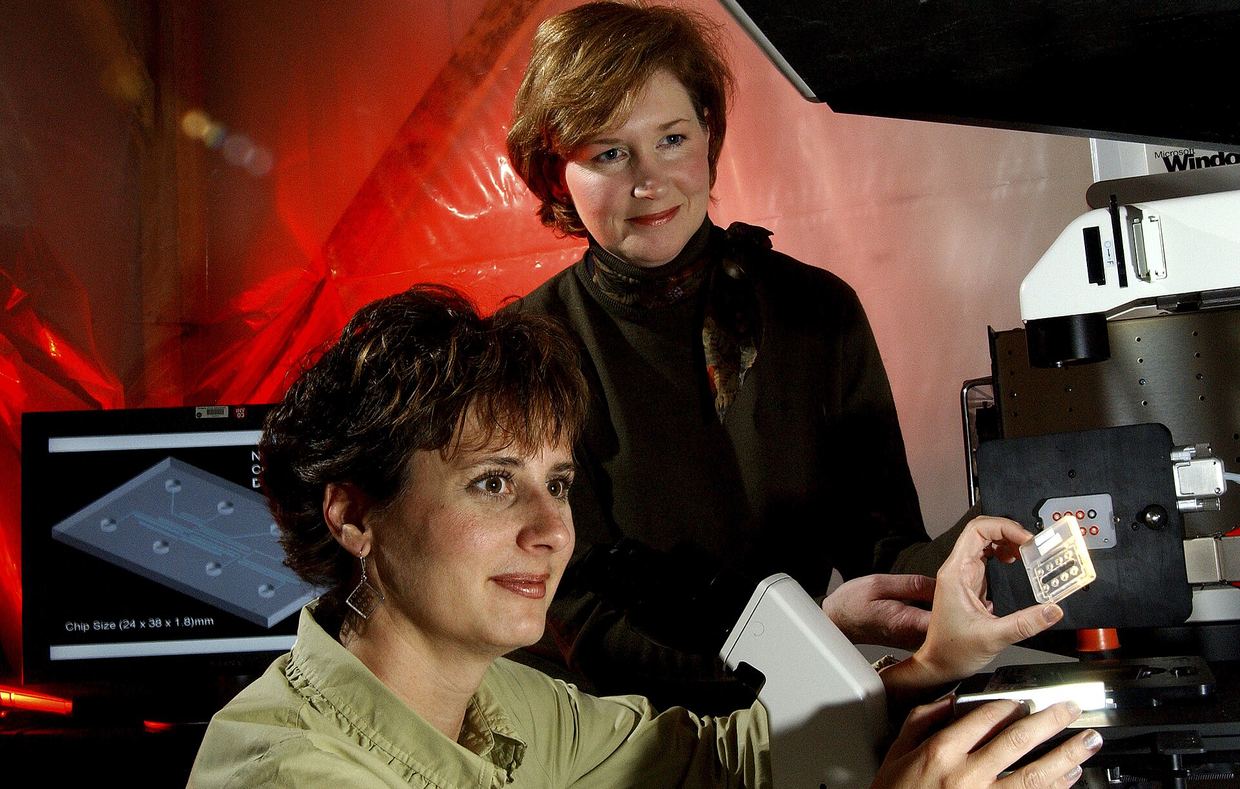
A European research consortium led by the University of Geneva (UNIGE), HES-SO, and the Lithuanian company Genomika has developed an autonomous microfactory called DNAMIC to encode digital data into synthetic DNA, according to EurekAlert eurekalert.org
EurekAlerteurekalert.orgOpen source ↗. The system was tested on the HE-Arc campus in Saint-Imier, Switzerland, where researchers archived historical watchmaking records from the Centre jurassien d'archives et de recherches économiques using an archiving tool developed by UNIGE
eurekalert.org
EurekAlerteurekalert.orgOpen source ↗. The collaboration also includes Kaunas University of Technology, the Technical University of Munich, Kilobaser, and Imperial College London
eurekalert.org
EurekAlerteurekalert.orgOpen source ↗.
Encoding into four nucleotides
Digital files are traditionally stored in binary format using 0s and 1s eurekalert.org
EurekAlerteurekalert.orgOpen source ↗. The DNAMIC system converts this binary code into a quaternary system based on the four nucleotides of DNA: adenine, thymine, guanine, and cytosine
eurekalert.org
EurekAlerteurekalert.orgOpen source ↗. This translation takes into account the specific chemical properties of DNA before the microfactory synthesizes the physical nucleic acid strands
eurekalert.org
EurekAlerteurekalert.orgOpen source ↗. The automated encoding and synthesis procedure can take several hours depending on the file
eurekalert.org
EurekAlerteurekalert.orgOpen source ↗.
Long-term preservation without power
After synthesis, the DNA strands are sealed inside small stainless-steel capsules designed to protect the material from environmental factors such as oxygen, light, moisture, and heat eurekalert.org
EurekAlerteurekalert.orgOpen source ↗. Unlike standard hard drives or data centers, this method of physical storage does not require external energy once the sample is sealed
eurekalert.org
EurekAlerteurekalert.orgOpen source ↗.
The initiative was supported by European funding through the Horizon Europe programme eurekalert.org
EurekAlerteurekalert.orgOpen source ↗. Due to high synthesis costs, developers plan to target high-value archival data before broader commercial applications emerge
eurekalert.org
EurekAlerteurekalert.orgOpen source ↗.