Bluetooth SIG adopts HDT mode in Core 7.0 specification, raising LE speed to 7.5 Mbit/s
The Bluetooth Special Interest Group has integrated a High Data Throughput mode into Bluetooth Core 7.0, boosting peak transfer rates almost fourfold.
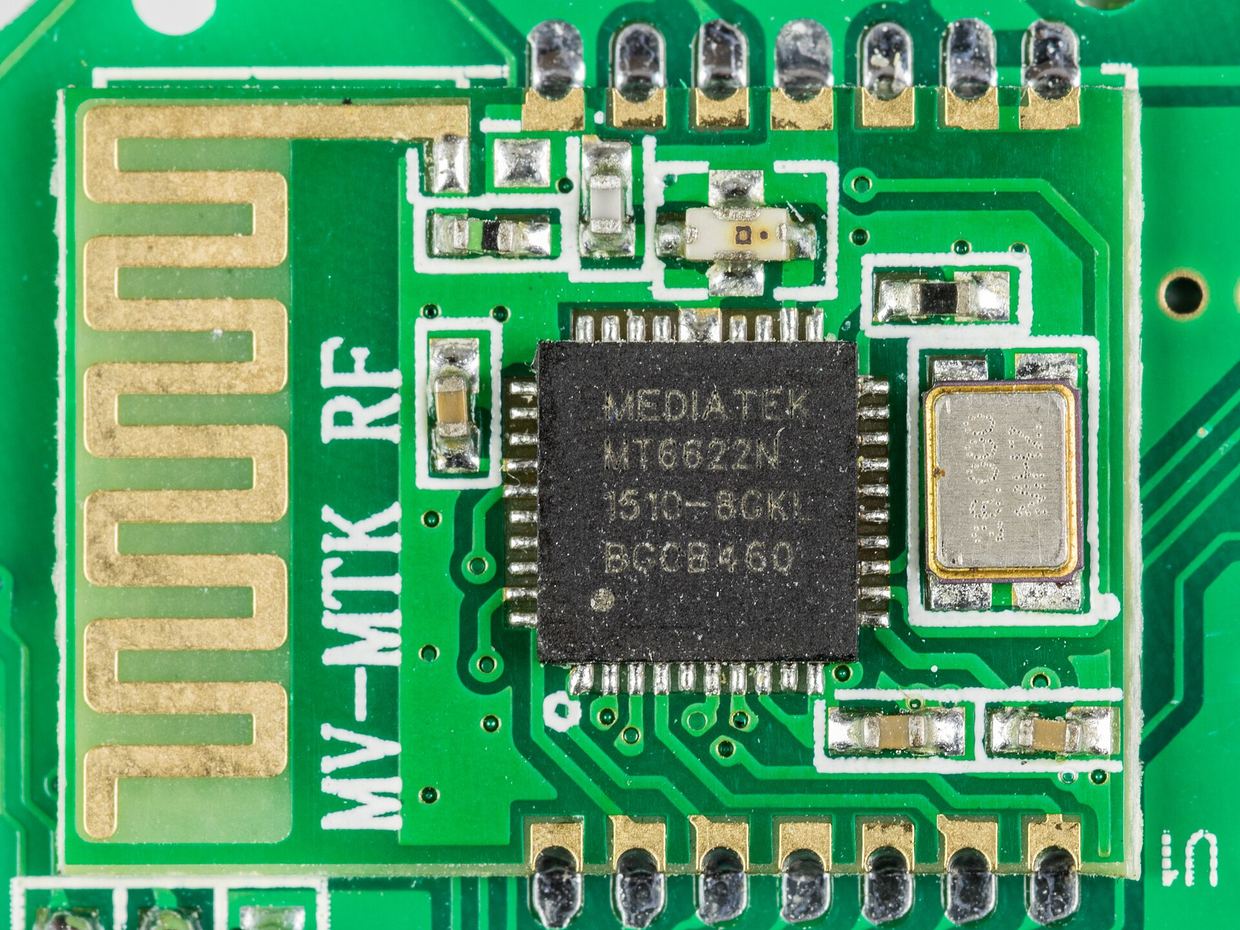
The Bluetooth Special Interest Group (SIG) has officially adopted the Bluetooth High Data Throughput (HDT) feature, lomazoma.com reported. This extension is an optional part of the upcoming Bluetooth Core 7.0 specification. HDT increases the maximum transmission rate of Bluetooth Low Energy (LE) to 7.5 Mbit/s, up from the current limit of 2 Mbit/s provided by the LE 2M PHY mode lomazoma.com
lomazoma.comlomazoma.comOpen source ↗. As with all wireless standards, the real-world throughput in daily operations is expected to remain lower than theoretical limits.
Physical layer and power efficiency
HDT implements an updated physical layer (PHY) utilizing more robust modulation schemes lomazoma.com
lomazoma.comlomazoma.comOpen source ↗. According to the SIG, this design allows Bluetooth LE hardware to transfer significantly higher data volumes across an identical connection. The group notes that the architecture ensures improved radio spectrum utilization, higher energy efficiency, and more reliable link stability. Because packets transmit faster, radio modules spend less active time broadcasting, which lowers overall power consumption during data bursts.
Hardware requirements and use cases
Primary applications for HDT include high-quality wireless audio formats, such as lossless and high-resolution playback, multichannel surround sound, and spatial audio lomazoma.com
lomazoma.comlomazoma.comOpen source ↗. Until now, Bluetooth audio relied on heavy compression, lacking a single unified standard for lossless transmission. Other targeted scenarios involve faster synchronization routines for smartwatches and fitness trackers, reduced firmware update durations, spatial computing hardware, and wearable devices. Existing electronics will not support HDT via software updates, as the architecture requires new hardware implementations inside Bluetooth chips for host computers, smartphones, and peripherals. The SIG expects the initial wave of commercial products to arrive in 2027. Additionally, the SIG is working on adapting Bluetooth LE for operation in 5 GHz and 6 GHz spectrums beyond the conventional 2.4 GHz band.