Biologists programmed lysed bacteria to assemble functional DNA superstructures
Researchers leveraged dormant prophages in lysed Shewanella oneidensis and Bacillus subtilis to synthesize catalytic DNA architectures in vitro.
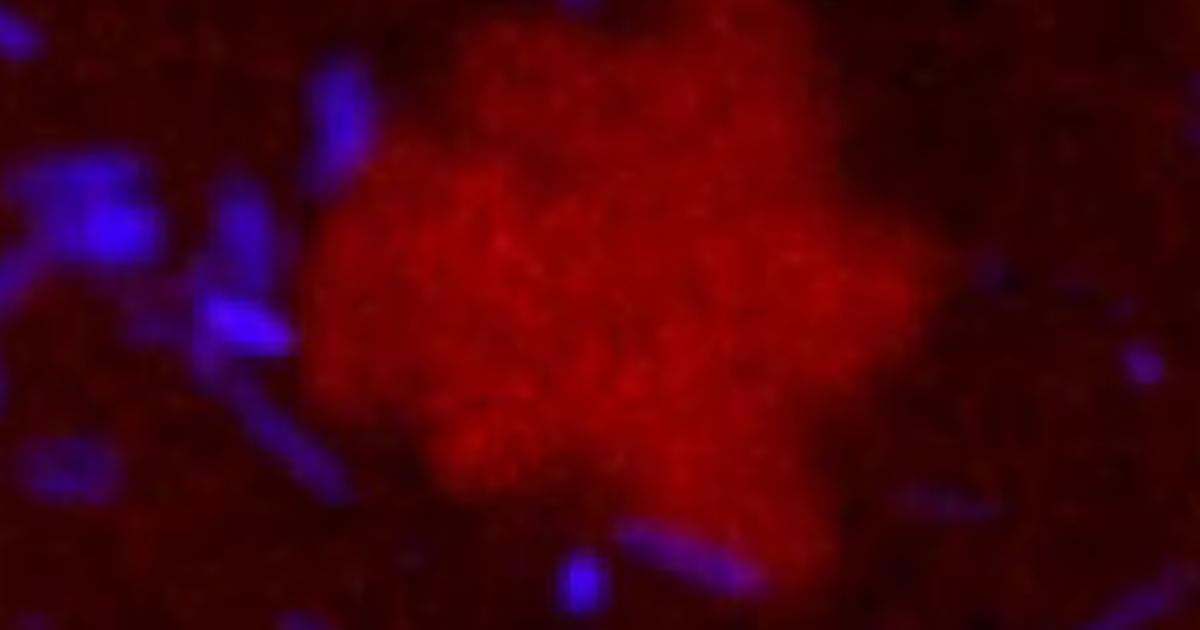
Researchers from Aarhus University have demonstrated that dormant prophages inside environmental bacteria can be hijacked to direct the synthesis of extracellular DNA (eDNA) superstructures after host cell death. The study, published in Angewandte Chemie, outlines a method to drive rolling circle replication outside living cells, using bacterial remnants to assemble functional nanomaterials doi.org
Angewandte Chemiedoi.orgOpen source ↗.
Mechanism of post-lysis synthesis
Under nutrient-limiting conditions, researchers triggered prophage activation and proliferation in cultures of Shewanella oneidensis and Bacillus subtilis. Subsequent phage-mediated cell lysis released intracellular machinery, nucleotides, and enzymes into the surrounding biofilm matrix. Real-time monitoring with fluorescent reporter strains confirmed that DNA synthesis occurred primarily after host lysis, coinciding directly with prophage replication cycles doi.org
Angewandte Chemiedoi.orgOpen source ↗. When using bacterial strains lacking these specific prophages, no specialized eDNA formation was observed.
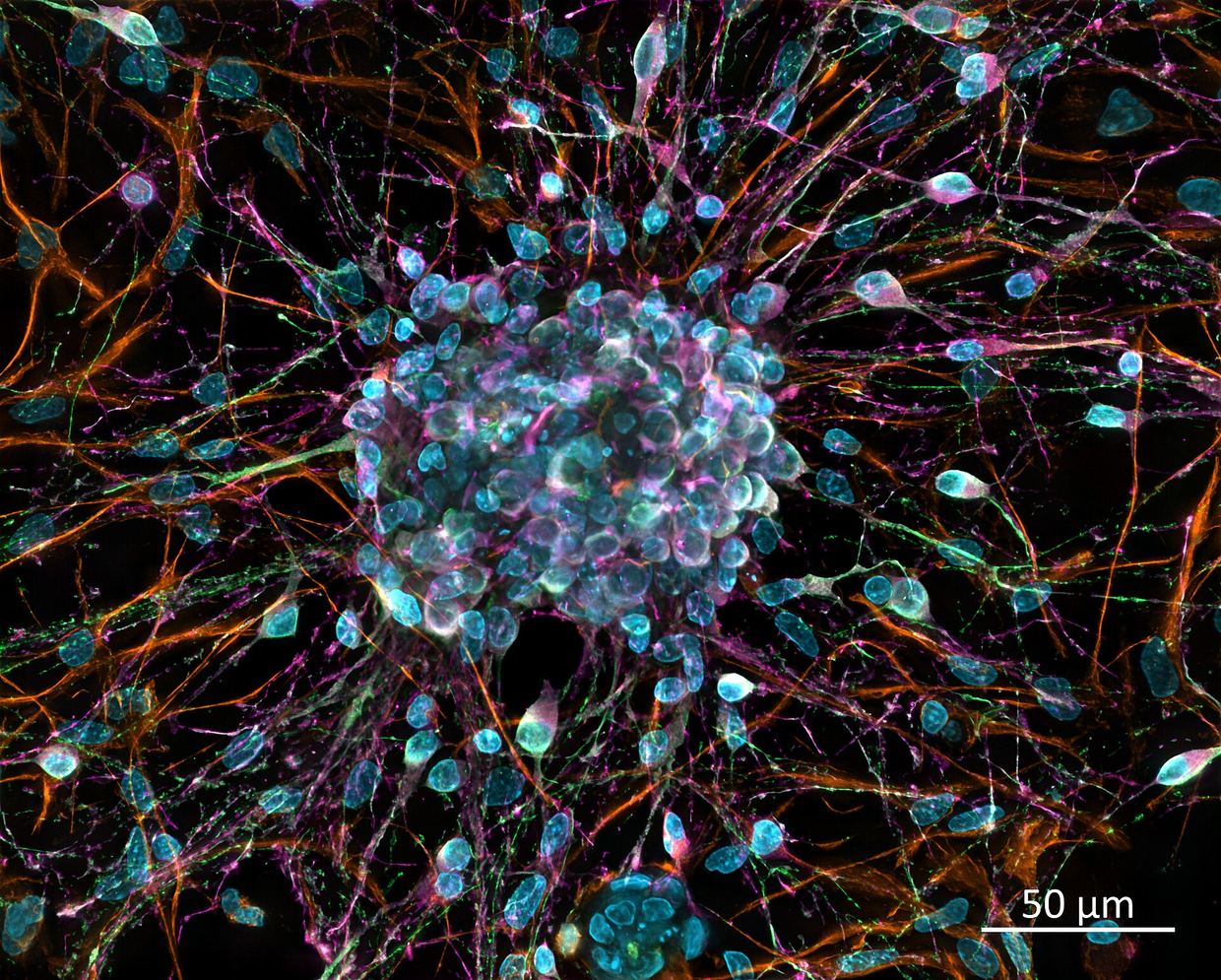
To direct the assembly process, scientists introduced a custom circular DNA template containing G-quadruplex (GQ) motifs into the cultures. The released enzymatic machinery copied this template continuously via rolling circle amplification, generating multimeric GQ concatemers. In S. oneidensis, these concatemers self-assembled into spherical superstructures measuring up to 10 µm, whereas B. subtilis cultures formed wire-like configurations exceeding 50 µm in length doi.org
Angewandte Chemiedoi.orgOpen source ↗.
Catalytic and electrochemical properties
The synthesized eDNA materials altered the physicochemical behavior of the microbial communities. The programmable GQ concatemers complexed with hemin to form functional DNAzymes, which exhibited peroxidase catalytic activity within cocultured biofilms of both bacterial species doi.org
Angewandte Chemiedoi.orgOpen source ↗. Additionally, the spherical DNA architectures enhanced the electrochemical properties of S. oneidensis, establishing this approach as a viable platform for synthetic biology and functional biomaterial engineering.