Coca and alcohol traces found in hair of eight children sacrificed by the Incas
An international team analysed hair and nails of eight capacocha victims and found cocaine, cocaethylene and harmine; the authors link them to altitude travel or ritual use.
Residues of coca, alcohol and other psychoactive substances were found in the hair and nails of eight children sacrificed by the Incas, according to Nauka w Polsce. The international team includes Dr Dagmara Socha of the Centre for Andean Studies at the University of Warsaw, and the results were published in the journal Antiquity. naukawpolsce.pl
Nauka w Polscenaukawpolsce.plOpen source ↗ Seven of the eight children were girls. Their mummies were found at archaeological sites in Peru, Argentina and Chile, and at death the children were between 6 and 14 years old.
Capacocha and the journey into the mountains
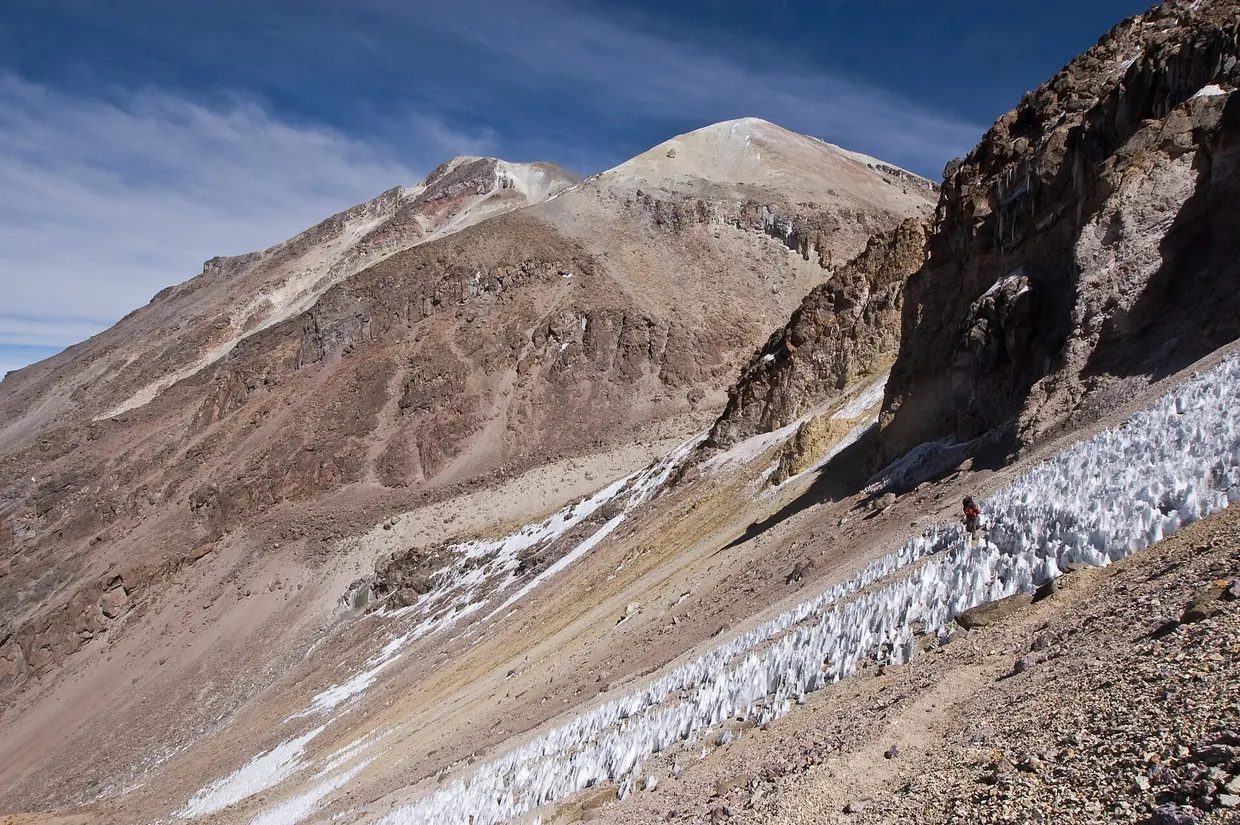
The Incas practised human sacrifice, most often of children and young women, in the ritual called capacocha. It was held during droughts, famine, social unrest or important events in the life of the ruler. The children made a difficult journey into the mountains, often above 6 thousand metres above sea level, coping with exertion, cold and limited oxygen. Some were probably killed by a blow to the head, others were buried alive.
What the hair and nail samples showed
Cocaine and benzoylecgonine, a compound formed when the body metabolises cocaine, were detected in all six hair samples. This indicates contact with coca leaves. Chewing coca was a common practice in Andean culture, in daily life and in religious rites. Rolled portions of leaves were found in the mouths of some mummies, and bags of coca beside the bodies.
Cocaethylene, formed when alcohol and cocaine are taken together, was found in four hair samples, from three girls and a boy. naukawpolsce.pl
Nauka w Polscenaukawpolsce.plOpen source ↗ The children may have been given alcohol as chicha, a maize drink, to calm them and reduce their awareness of what was happening. Earlier historical sources describe chicha as used in ceremonies and offered to the gods.
The hair of a girl from the Chuscha volcano was divided into six segments, each corresponding to one of the last six months of her life. Cocaine concentration fell in the final period, while cocaethylene appeared only in the sample for the last month. According to the researcher, this means the way substances were given, or the preparations for the ritual, changed at the end.
A small amount of harmine was found in the nails of the girl buried on the Ampato volcano in Peru, known as the Lady of Ampato or Juanita. Harmine occurs in some plants, including the vine Banisteriopsis caapi used today in the ritual drink ayahuasca. DMT was not detected, so the finding does not mean the child received ayahuasca. The authors do not rule out that harmine came from another plant or was given alone, for example for medicinal properties.
The authors suppose that coca, alcohol and other plant substances may have improved the children's well-being, reduced fatigue or eased the journey at altitude. They do not exclude that some had mainly ritual significance. Researchers from Nicolaus Copernicus University in Toruń, Universidad Católica de Santa María in Peru, Museo de Arqueología de Alta Montaña in Argentina and the National Geographic Society also took part.
Sources · 1
Found a mistake?Read also