Kyoto University fMRI of 47 men: longer relationships, partner's reward response nears a female friend's
Kyoto researchers scanned the brains of men in relationships lasting 3 to 81 months. The nucleus accumbens difference between partner and female friend shrank with relationship length.
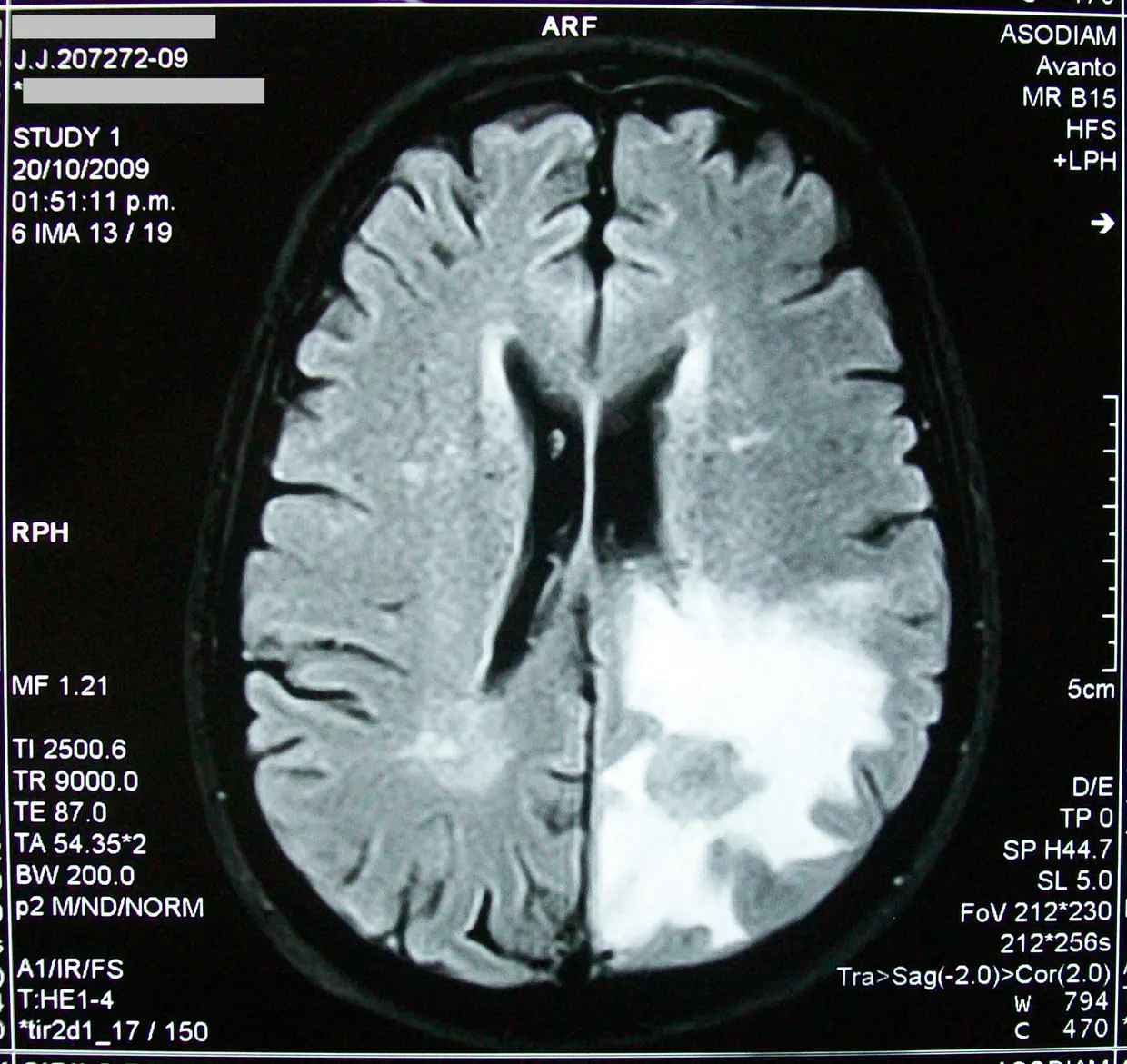
Researchers at Kyoto University in Japan studied brain activity in 47 men aged 20 to 26 who were in romantic relationships, according to socportal.info. The study was published in Social Cognitive and Affective Neuroscience. Relationship length ranged from three to 81 months, averaging about a year and a half. socportal.info
socportal.infosocportal.infoOpen source ↗
How the experiment worked
Participants underwent functional magnetic resonance imaging. During scanning they performed tasks in which they could receive a positive reaction from their partner, a female friend or a male friend.
Each of these people had been filmed beforehand. Depending on the task result, the participant saw a short clip in which the familiar person smiled and expressed approval or kept a neutral expression.
The team examined several brain regions linked to reward processing and motivation. Particular attention went to the nucleus accumbens, which takes part in forming preferences and attachments. socportal.info
socportal.infosocportal.infoOpen source ↗
What the researchers found
The men completed tasks significantly faster when they expected approval from their partner than from a female or male friend. They also rated the partner's smiles and positive reactions as more pleasant.
Activity in the nucleus accumbens, which is involved in reward processing and motivation, differed between the partner and the female friend. The pattern when expecting approval from the female friend was closer to the response to the male friend.
The longer the men had been in a relationship, the smaller the difference in nucleus accumbens activity between partner and female friend. This held even after statistical adjustment for emotional closeness, passion and commitment to maintaining the relationship. No such dependence on relationship length was found in the other regions studied. socportal.info
socportal.infosocportal.infoOpen source ↗
The researchers note that the nucleus accumbens receives dopamine signals and is part of the reward system. Earlier animal experiments showed that dopamine and oxytocin in this area play a role in forming stable pairs. The authors suggest the observed changes may reflect a gradual shift from passionate infatuation to calmer, more stable attachment.