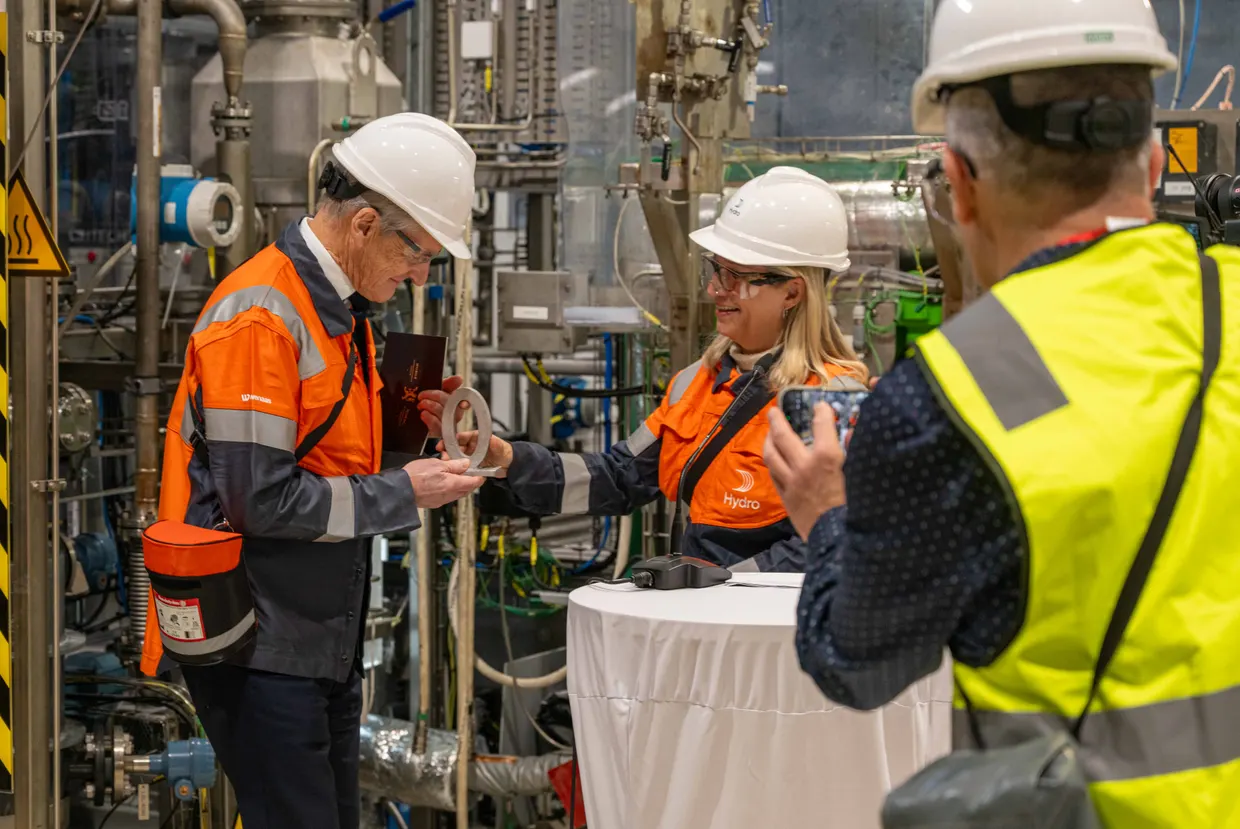
Empa and ETH Zurich: 3D-printed steel patch extends fatigue life of damaged plates up to fourfold
Researchers printed reinforcements on pre-damaged S355J2+N steel plates by WAAM; the best stepped two-layer design withstood 4.46 million load cycles in lab tests.
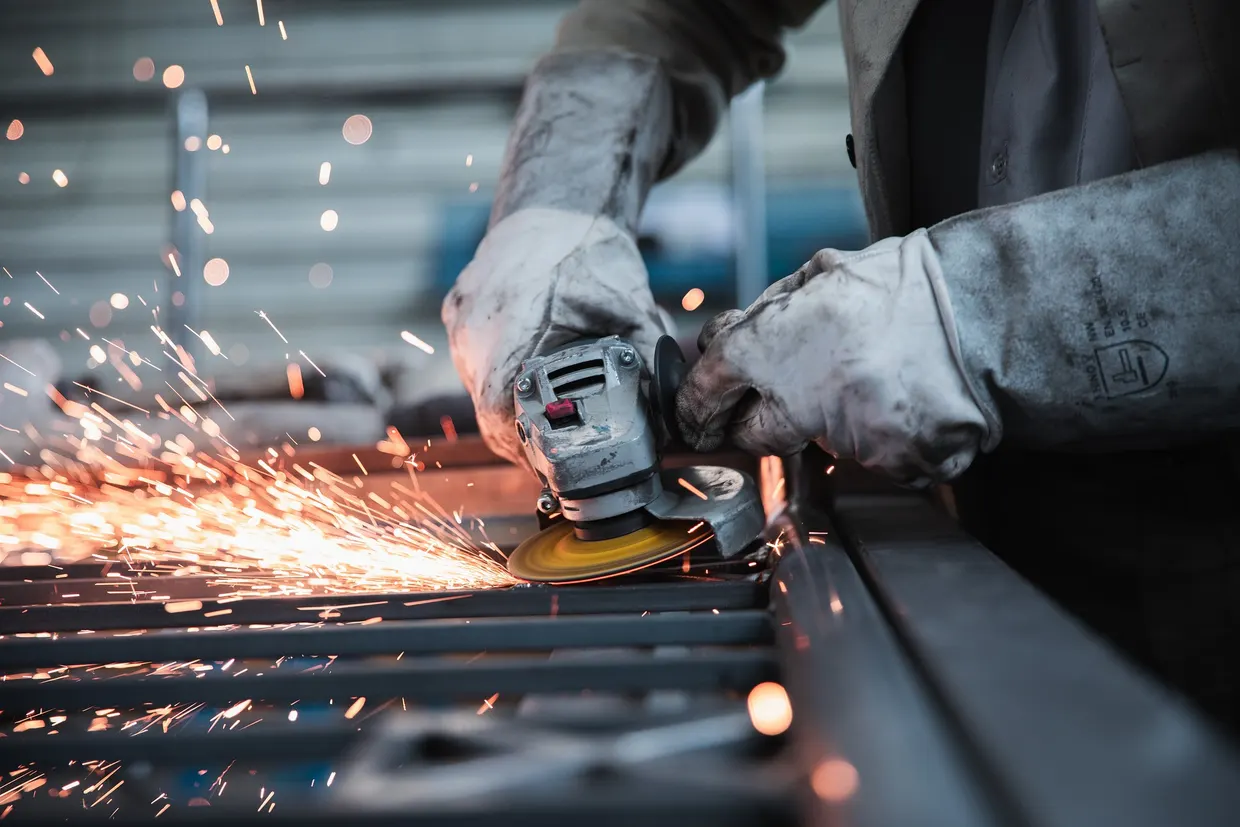
Researchers at the Swiss institute Empa and ETH Zurich showed that 3D printing can extend the fatigue life of damaged structural steel without developing a new alloy, chip.pl reports. The tests were run on plates of S355J2+N structural steel that had been damaged beforehand. chip.pl
chip.plchip.plOpen source ↗
The context is the age of infrastructure: according to the American Society of Civil Engineers (ASCE), at the current replacement rate bridges built in the US today would have to serve 126 years.
How WAAM reinforcement works
The method is WAAM (Wire Arc Additive Manufacturing), a form of 3D printing that uses an electric arc and metal wire. An industrial robot melts the wire and deposits successive metal layers onto an existing element. Unlike ordinary welding, this builds three-dimensional reinforcements of a chosen shape rather than joining ready-made parts.
Steel bridges and industrial structures endure repeated loads that gradually produce fatigue cracks. An extra layer of metal does not solve the problem automatically, because stress can concentrate at the edges of the repaired area. For this reason the team compared several reinforcement geometries. chip.pl
chip.plchip.plOpen source ↗
Results and limitations
The best design was a two-layer reinforcement with a stepped profile, which withstood 4.46 million load cycles. A three-layer reinforcement with a simpler prismatic shape reached 3.17 million cycles, so the stepped design lasted about 41 percent longer. Compared with damaged plates without any reinforcement, Empa reports up to a fourfold increase in fatigue life.
Numerical analysis gave local stresses of 223 and 276 MPa for the compared geometries, a difference of more than 20 percent. The good results were obtained without additional milling or grinding of the printed reinforcements.
The approach does not eliminate cracking. Multilayer reinforcements can stop the growth of the original damage, but new cracks may start at the edge of the printed metal. In addition, current WAAM systems use large industrial robots that are hard to transport under a bridge and position. Quality control of repairs, the effect of heat on the steel and long-term strength under real conditions still have to be checked. chip.pl
chip.plchip.plOpen source ↗
The team is also working on printed structures that absorb vibration energy and on shape memory alloys that could help structures cope with seismic loads.