Southwest Research Institute: argon-40 may not reveal rock content inside Uranus and Neptune
A Planetary Science Journal study questions the use of argon-40 in the atmospheres of Uranus and Neptune as a measure of how much rock lies in their interiors.
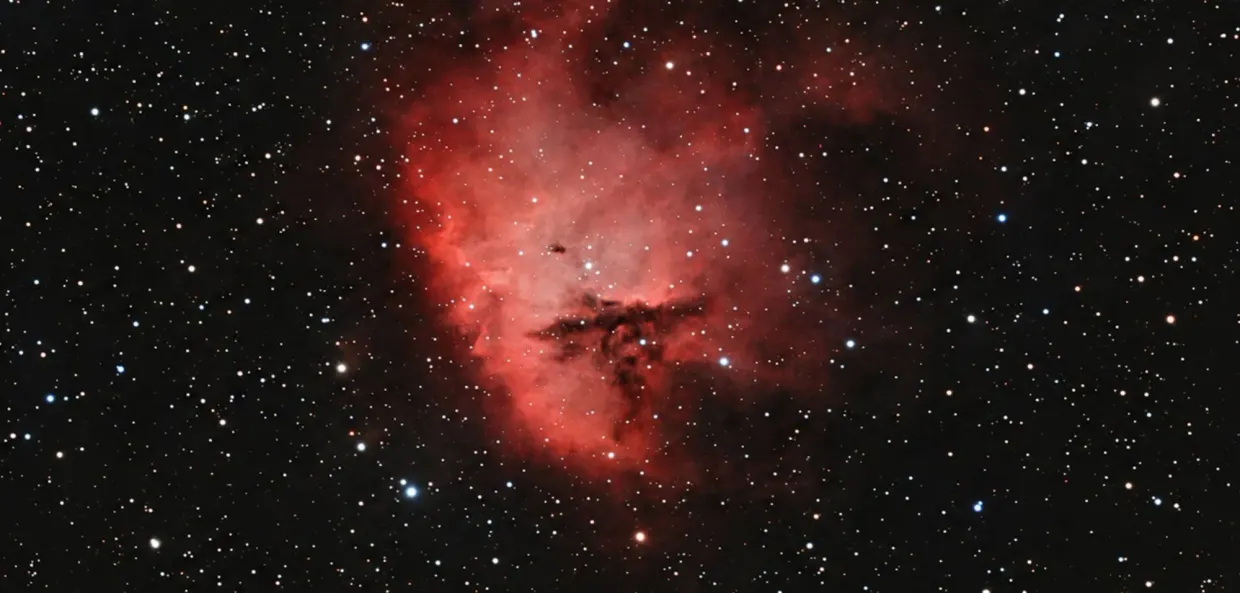
A group of researchers, including scientists from the Southwest Research Institute in Texas, has re-examined what the noble gas argon-40 in the atmospheres of Uranus and Neptune says about the planets' interiors, futurezone.de reports. The study appeared in The Planetary Science Journal in 2026 futurezone.de
futurezone.defuturezone.deOpen source ↗. The internal structure of both planets, including their cores, remains unclear in science.
What argon-40 was thought to show
The common research assumption is that the ice giants consist largely of ice and gas, with a rocky core. Argon-40 forms during the radioactive decay of potassium-40 when the latter is located in rock layers. For this reason, the amount of argon-40 was taken as a direct indicator of how much rock is in the cores of the planets.
The authors tested how informative this value is. The central part of the work was a combination of calculations of the gas's production using several different variants.
Other possible sources of the gas
The calculations brought other possible causes of argon-40 enrichment into view. Uranus and Neptune may locally contain large amounts of primordial argon-40 dating from the formation of the planets themselves. Both planets trace back to a primordial nebula, which would then be the source of this argon futurezone.de
futurezone.defuturezone.deOpen source ↗. This could distort assumptions about how much of the gas is present inside the ice giants.
Argon-40 could also be captured in a different process, linked to the argon ice line. This term denotes the distance from the Sun beyond which argon is far enough away to freeze into ice and be captured by planets such as these two. Thus, besides the rock of the ice chunks, there are two possible sources of argon-40.
According to the Southwest Research Institute, this leads to two possible conclusions. If the assumed primordial share of argon-40 is small, the measured argon values on Uranus and Neptune allow a statement about the rock inside the ice giants. If the share is large, the amount of the gas says nothing at all about the planets' interior.