ESA's Hera probe reaches Didymos and Dimorphos and sends first images of the asteroids
Hera, the European part of the AIDA project, will study the asteroid pair for six months after NASA's DART impact shortened the orbital period of Dimorphos by about 33 minutes.
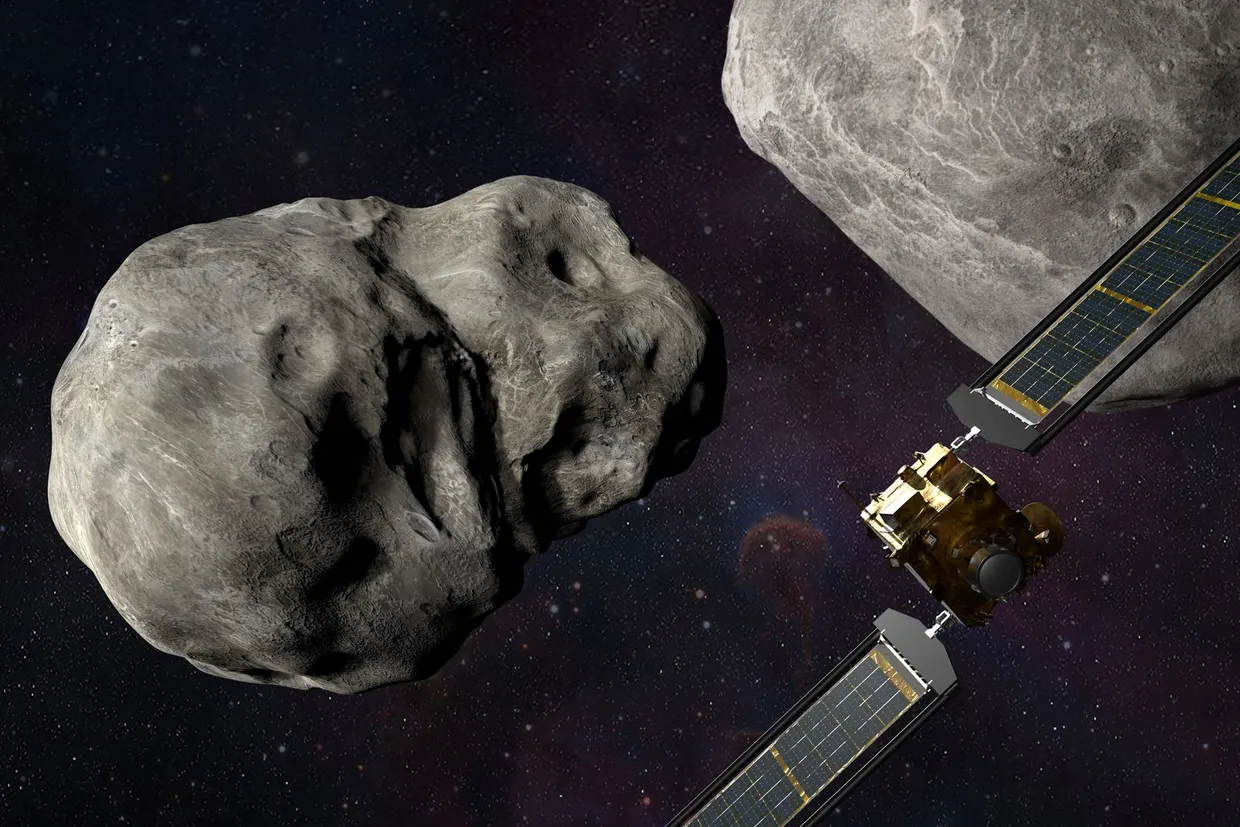
The European Space Agency's Hera probe has reached the asteroid pair Didymos and Dimorphos and has already sent its first images to Earth, lomazoma.com reports. Holger Krag, head of space safety at ESA, said the probe arrived at its destination, 11 million kilometres away lomazoma.com
lomazoma.comlomazoma.comOpen source ↗. More images and findings are to be presented on 25 November. The probe is operated from the control centre in Darmstadt.
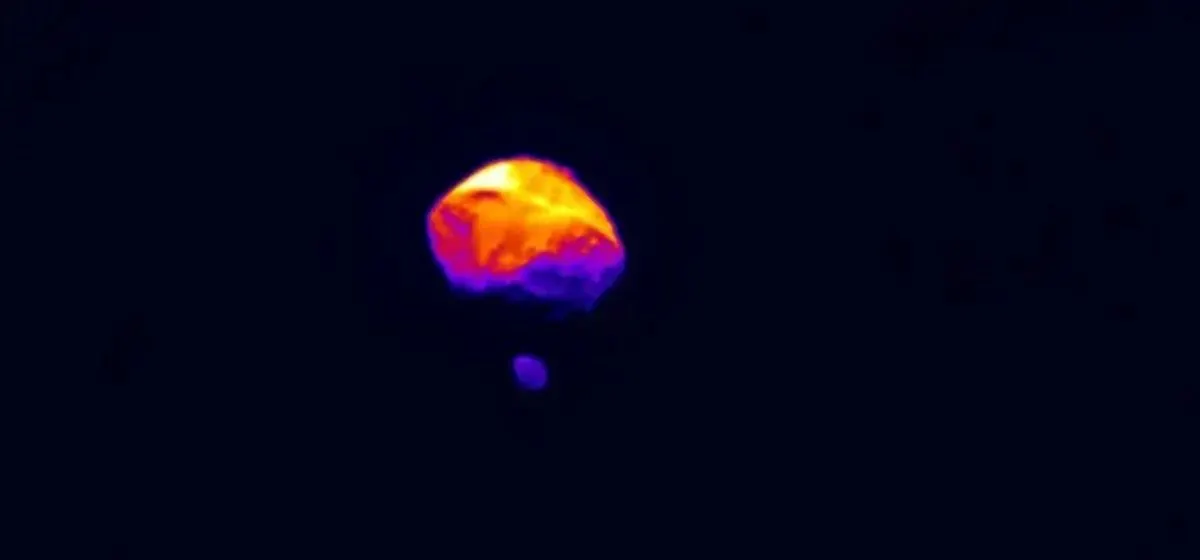
First images of Didymos and Dimorphos
According to the German Aerospace Center (DLR), Dimorphos is 151 metres in size and is a companion moon of Didymos, which is 780 metres in diameter. The first images show numerous boulders, craters and prominent surface structures on Didymos that look like grooves or ridges. Krag said that what the team has seen in the first days is promising and that the scientists are enthusiastic.
What Hera is to measure after the DART impact
Hera is the European component of the Asteroid Impact Deflection Assessment (AIDA) project, and Germany is a major participant. In September 2022, the NASA probe DART, weighing about half a tonne, struck Dimorphos at almost 22,000 kilometres per hour. The orbital period of Dimorphos around Didymos has since shortened by about 33 minutes, to 11 hours and 23 minutes. It was the first time the motion of an asteroid was measurably changed by a deliberate impact.
The impact threw material from the surface of the smaller asteroid into space. According to DLR, part of it may have reached the surface of Didymos, which is only about one kilometre away. Hera is to examine how the impact affected both bodies. Krag named two key questions: the mass of the asteroid, without which the size of the deflection cannot be estimated, and the effect of the impact together with the nature of the asteroid lomazoma.com
lomazoma.comlomazoma.comOpen source ↗.
Hera will stay at the asteroids for six months, enough to complete its entire observation programme, Krag said. The mission costs 350 million euros. An extension is possible, and Krag said the probe could even visit another asteroid.
A follow-up mission, Ramses, is already under way and is to study the asteroid Apophis. According to ESA, Apophis will be about 375 metres in size in 2029 and is to pass Earth at a distance of 32,000 kilometres on Friday, 13 April 2029.