Ratlog from Dresden aims to cut rocket engine part count by about 90% and joins Y Combinator
The Dresden startup, now in Y Combinator, has tested a first prototype and plans combustion chamber fire tests; the rocket's specifications are not yet confirmed.
Ratlog, a German startup founded in Dresden, aims to cut the number of parts in a rocket engine by almost 90%, according to ixbt.com. The company has joined the autumn batch of the US business accelerator Y Combinator ixbt.com
ixbt.comixbt.comOpen source ↗. Its founders argue that instead of catching up with SpaceX through gradual refinement of existing solutions, the engine design itself should be rethought.
CEO and co-founder Charlie Weise told Payload: "Every launch company wants to catch up with SpaceX. But SpaceX has a 20-year head start. Nobody can change time or turn it back."
Engine design and target specifications
The startup has not yet disclosed details of the engine design and has not presented confirmed specifications of the future rocket. The stated goal is a launcher with Falcon 9 parameters, around which potential customers are already designing their satellites. Ratlog also allows for a wider payload fairing, which covers the payload during flight.
Development timeline
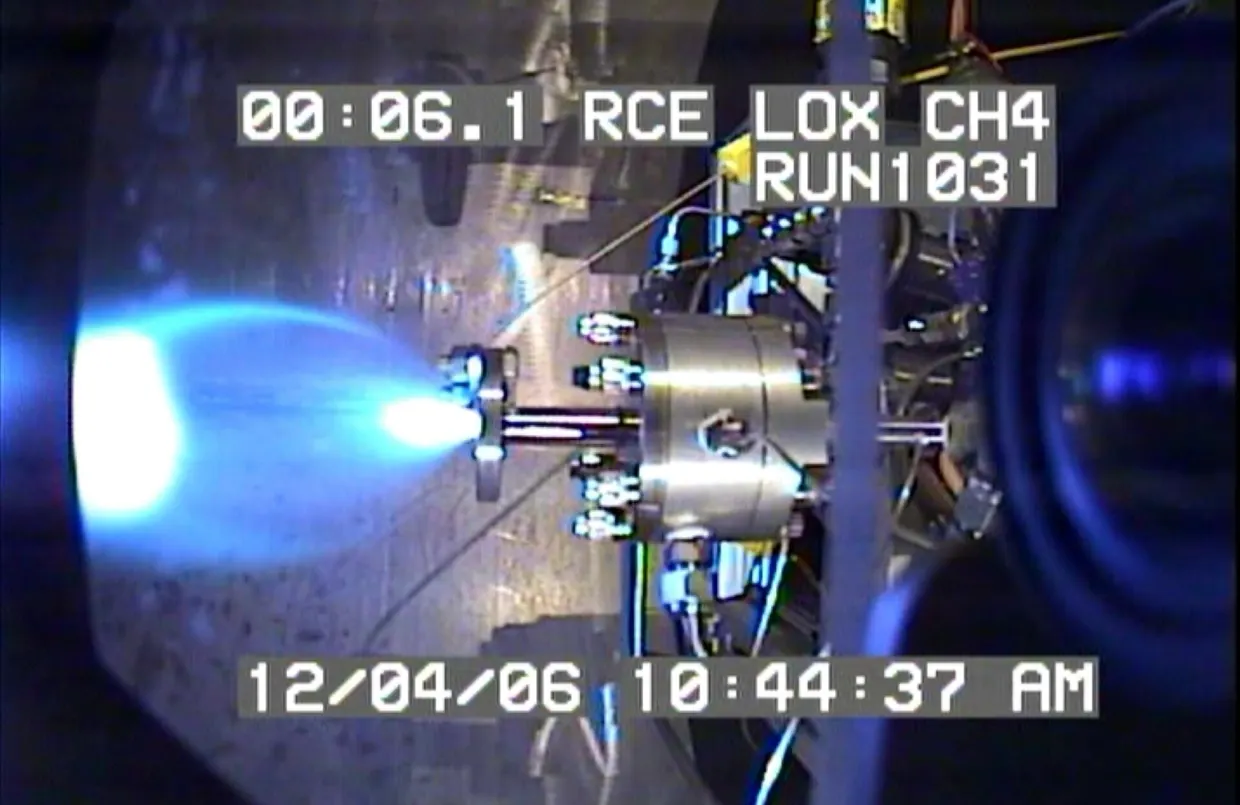
The company is betting on a fast development cycle. In April 2026 it received its first grant from the German government, €30 thousand. In early September the founders tested a first prototype, and a few weeks later they joined Y Combinator ixbt.com
ixbt.comixbt.comOpen source ↗. In November Ratlog plans fire tests of a combustion chamber intended for a future flight engine. In December the startup is to present its project to investors at the Y Combinator Demo Day.
Customers and launch sites
Ratlog reports letters of intent to buy a launch from potential customers, mostly companies building orbital data centers and satellite constellations. Oman and the UAE are being considered as possible launch sites.
The founders intend to fill the niche of a more affordable European launcher that can be ready sooner and is comparable to Ariane 6. According to Weise, customers do not want to be limited to small rockets and prefer to be able to launch large payloads right away. For now, these are the plans of a young startup: before a first launch, Ratlog still has to develop the engine and confirm its characteristics through testing.