ETH Zurich turns polyethylene and polypropylene waste into industrial adhesive in one step
Chemists at ETH Zurich grafted new polymer chains onto plastic bags and bottles to make an adhesive for load-bearing joints. The method is patented and still at lab stage.
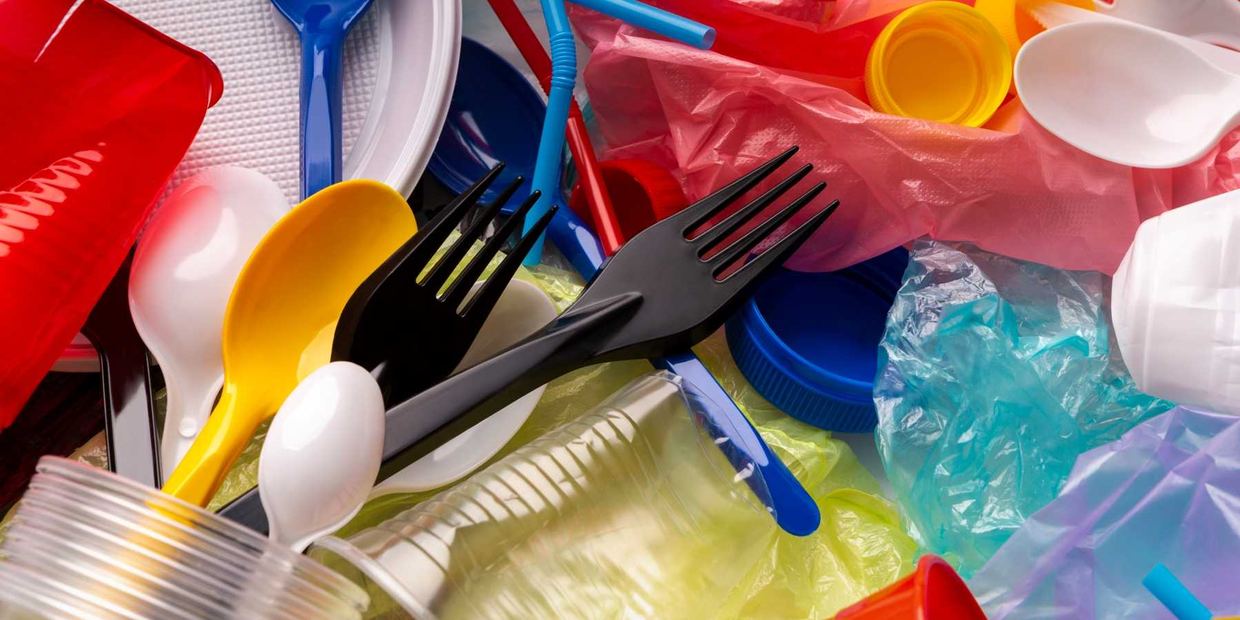
A team at ETH Zurich led by polymer chemist Tae-Lim Choi has developed a one-step process that upcycles polyethylene (PE) and polypropylene (PP) waste into a high-performance adhesive, according to ethz.ch ethz.ch
ethz.chethz.chOpen source ↗. The group made the adhesive from standard plastic bags and bottles. ETH Zurich has patented the method and nominated it for its Spark Award
ethz.ch
ethz.chethz.chOpen source ↗.
The authors report that the adhesive's strength on metal, glass and wood meets the requirements for an industrial adhesive used in load-bearing and high-stress joints in vehicle and equipment manufacturing ethz.ch
ethz.chethz.chOpen source ↗. Choi describes it as a first-generation product
ethz.ch
ethz.chethz.chOpen source ↗.
Why polyolefins are hard to recycle
Around 450 million tonnes of plastics are produced worldwide each year, and most are used once and then incinerated or landfilled. Polyolefins, including PE and PP, make up about half of plastic consumption as packaging and films ethz.ch
ethz.chethz.chOpen source ↗. Melting and recasting them lowers quality: dyes darken the material and heating damages it, so it suits only items such as plant pots or paving slabs
ethz.ch
ethz.chethz.chOpen source ↗.
Olefins consist only of carbon and hydrogen, so they lack the oxygen, nitrogen or chlorine atoms needed for targeted cleavage into monomers. The only feasible route so far has been pyrolysis, an energy-intensive and random breakdown that yields petroleum-based feedstocks ethz.ch
ethz.chethz.chOpen source ↗.
How the grafting works
The plastic waste is dissolved in a chlorinated solvent, and the monomers for the desired graft polymer are added. Under short-wavelength light the solvent generates chlorine radicals, which pass their reactivity to carbon atoms in the polyolefin chains. The resulting carbon radicals are starting points for new polymer chains ethz.ch
ethz.chethz.chOpen source ↗.
The process needs no expensive special reagents or catalysts and no high temperatures. According to Hongsik Kim, who developed the method, the number of activated sites is set by the degree of chlorination of the solvent and the wavelength of the light ethz.ch
ethz.chethz.chOpen source ↗. The principle comes from a collaboration with Athina Anastasaki's group, which applied it to recycling acrylic glass
ethz.ch
ethz.chethz.chOpen source ↗.
The grafted chains can carry polar groups, acids, bases or groups for specific reactions ethz.ch
ethz.chethz.chOpen source ↗. Six months after the patent was published, the researchers report contacts with industry, including a collaboration on polyolefin food packaging that is waterproof and blocks oxygen. ETH Zurich will present the 15th Spark Award on 26 November 2026
ethz.ch
ethz.chethz.chOpen source ↗.