Codfishes lost aqp1ab genes but hydrate eggs using Aqp4 channels, zebrafish and Atlantic cod study
All Gadiformes lack aqp1ab-type genes essential for hydrated pelagic eggs, yet their eggs are among the most hydrated in marine teleosts.
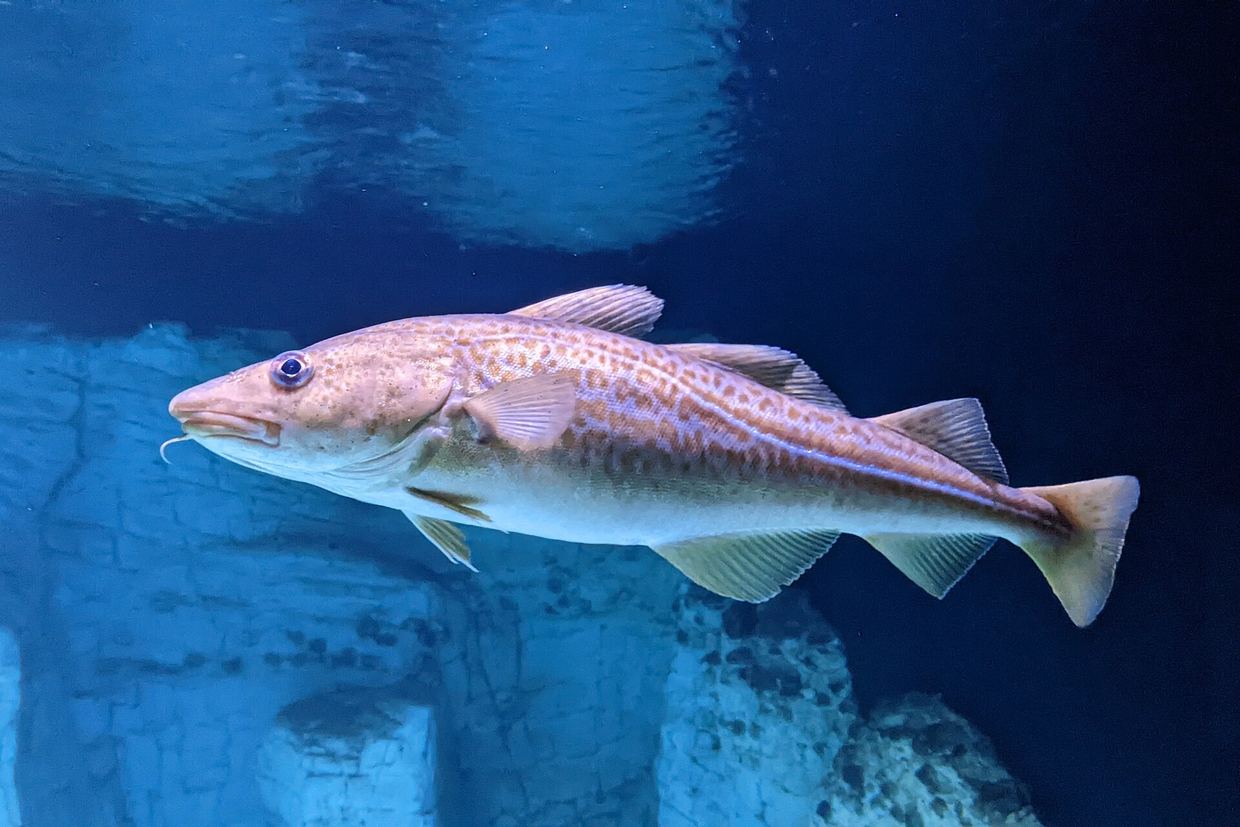
Researchers report in Proceedings of the National Academy of Sciences that all Gadiformes, an ecologically dominant order of codfishes, lost the aqp1ab-type genes. These genes are essential for the formation of hydrated pelagic eggs and for the embryonic survival of marine teleosts in oceanic environments doi.org
Proceedings of the National Academy of Sciencesdoi.orgOpen source ↗. Despite this loss, codfishes produce some of the most highly hydrated pelagic eggs of all marine teleosts
doi.org
Proceedings of the National Academy of Sciencesdoi.orgOpen source ↗.
Search for a substitute
The authors first confirmed that the mechanisms of osmotic drive are conserved with other marine teleosts that produce pelagic eggs doi.org
Proceedings of the National Academy of Sciencesdoi.orgOpen source ↗. They then compared transcripts of aquaporin water channels in distantly related freshwater and marine teleosts. The primary candidates were Aqp4-type channels, which have been chromosomally linked to Aqp1-type channels in jawed vertebrate genomes for more than 450 million years
doi.org
Proceedings of the National Academy of Sciencesdoi.orgOpen source ↗.
Freshwater pathway in marine eggs
The team used immunolocalization, functional assays and inhibition experiments, with zebrafish and Atlantic cod as model organisms. According to the authors, short isoforms of Aqp4 are required for egg ovulation in more ancestral lineages of freshwater teleosts doi.org
Proceedings of the National Academy of Sciencesdoi.orgOpen source ↗. In codfishes these isoforms were recruited to the oocyte hydration pathway
doi.org
Proceedings of the National Academy of Sciencesdoi.orgOpen source ↗.
By contrast, the oldest and most modern lineages of marine teleosts that produce pelagic eggs still use the aqp1ab genes for egg hydration doi.org
Proceedings of the National Academy of Sciencesdoi.orgOpen source ↗. The authors conclude that codfishes survived the loss of an essential gene by functionally co-opting freshwater ovulatory pathways for marine egg hydration
doi.org
Proceedings of the National Academy of Sciencesdoi.orgOpen source ↗.