Penn State's CaroFlex hydrogel implant lowered blood pressure in rats without sutures
Researchers at Penn State built a soft 3D-printed hydrogel electrode that attaches to the carotid sinus without stitches. So far it has been tested only in rats.
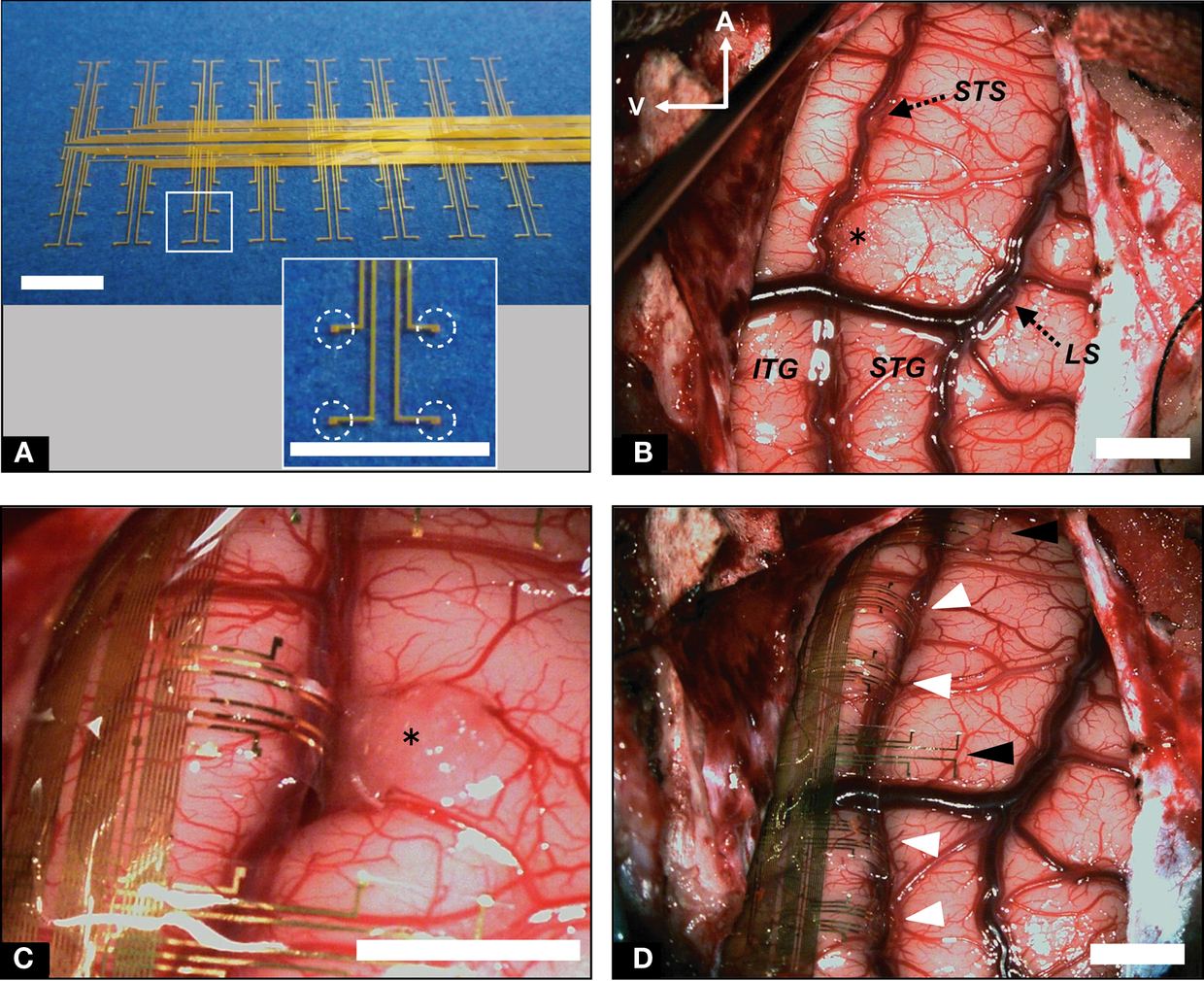
A team led by Tao Zhou at Penn State has developed CaroFlex, a soft, stretchable, 3D-printed device that attaches to the carotid sinus without sutures and delivers electrical stimulation. In rats it lowered blood pressure, according to a paper published in Device on 5 May 2026 doi.org
Devicedoi.orgOpen source ↗. The work is at the animal stage; no human data are reported.
How the carotid sinus stimulation works
Baroreceptors are nerve endings that detect how much artery walls stretch and trigger the baroreflex, which helps regulate blood pressure, including by changing how tightly vessels constrict. Many of them are concentrated in the carotid sinus, near the branching of the carotid artery. Electrical stimulation there can engage the reflex and lower pressure doi.org
Devicedoi.orgOpen source ↗.
A few commercial devices already use this approach. They are generally made from rigid metals and plastics and are held in place with stitches. According to Zhou, the stitches can damage both the device and the tissue over time, as arteries stretch and shrink with each pulse.
CaroFlex is made primarily from hydrogel, a soft, jelly-like material. Conductive hydrogels form the electrodes, and adhesive hydrogels attach the device to tissue without stitches. The team used 3D printing to combine the electrical and adhesive components doi.org
Devicedoi.orgOpen source ↗.
Results in rats and tissue tests
The researchers implanted CaroFlex at the carotid sinus in rats and monitored blood pressure with body sensors during a 10-minute testing window. Four of the five stimulation frequencies tested reduced blood pressure, with readings falling by more than 15% on average doi.org
Devicedoi.orgOpen source ↗. After two weeks, tissues in contact with the device showed no apparent damage or immune response, the authors reported.
In laboratory tests on tissue samples, CaroFlex stretched to more than twice its original size before breaking. Its adhesive film kept strong, continuous adhesion, including when made from mixtures stored for six months. Compared with traditional platinum bioelectrodes, CaroFlex adhered more closely to tissue and gave a more reliable electrical connection, the team reported doi.org
Devicedoi.orgOpen source ↗.
The authors note that nearly half of adults in the United States have high blood pressure, and roughly one in 10 of them has drug-resistant hypertension. The next steps are to fine-tune the device's effectiveness and scale up the approach. The eventual goal is clinical trials in people with hypertension.