Inclusions in 19 Siberian eclogitic diamonds point to oxygen-poorer Archaean mantle source of oceanic crust
Garnet and clinopyroxene inclusions, shielded from later alteration inside diamonds, record the redox state of the Archaean mantle source of oceanic crust.
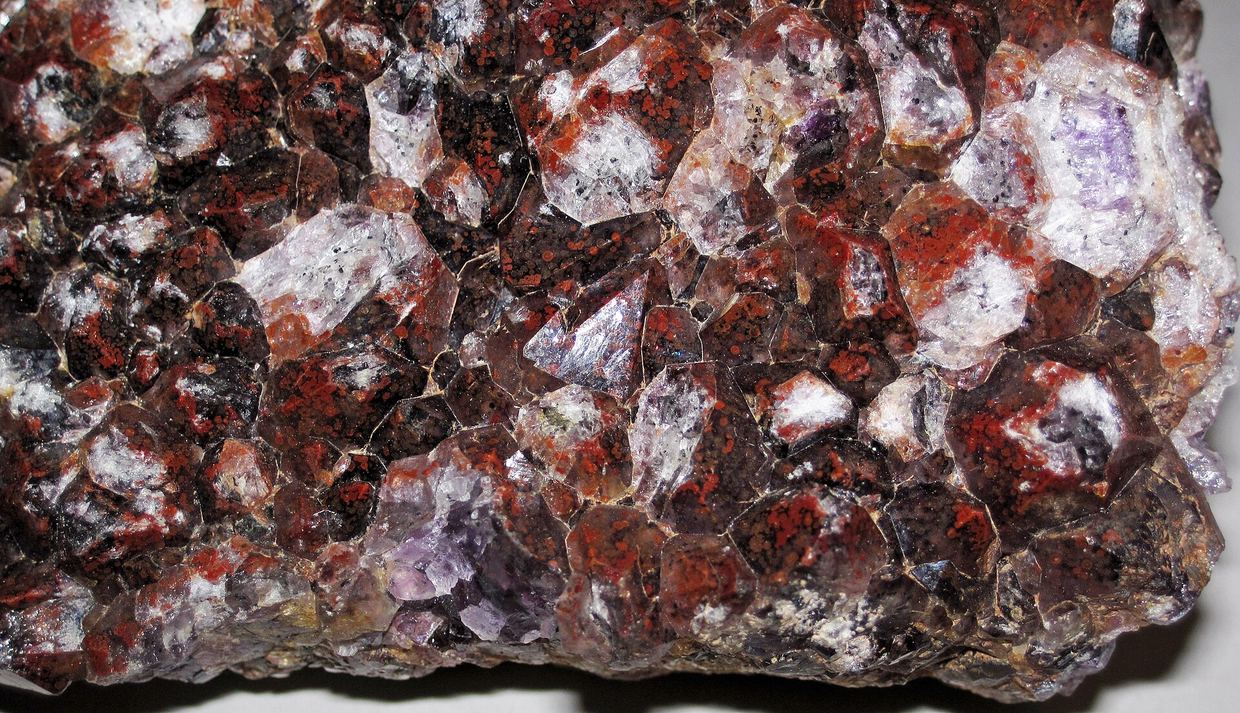
A team studied garnet and clinopyroxene inclusions in 19 eclogitic diamonds from the Siberian craton, according to a paper in Science Advances doi.org
Science Advancesdoi.orgOpen source ↗. Both touching and nontouching inclusion pairs were examined. Because the inclusions sit inside diamond, they are shielded from overprint after entrapment
doi.org
Science Advancesdoi.orgOpen source ↗.
Kimberlite-borne eclogite xenoliths derive from ancient subducted oceanic crust, but billions of years of metasomatism in the subcontinental mantle limit accurate reconstructions of their origin. Inclusion compositions indicate average sampling depths of 180 to 280 km and temperatures of 1030° to 1540°C (±60°C) doi.org
Science Advancesdoi.orgOpen source ↗. For most samples, redox conditions were oxidized enough for the diamonds to have formed from water(carbonate)-rich fluids
doi.org
Science Advancesdoi.orgOpen source ↗.
The reconstructed bulk composition points to basaltic oceanic crust formed from an Archaean convecting mantle region that was more oxygen-depleted than today, the authors report. They describe this as evidence of redox heterogeneities in the source rocks of ancient oceanic crust doi.org
Science Advancesdoi.orgOpen source ↗.