Saint Louis University simulates thermalization of single- and two-photon states in nonlinear optics
In simulations, single- and two-photon states travelling with classical light in multimode nonlinear systems thermalized, the authors report. Photons do not interact directly.
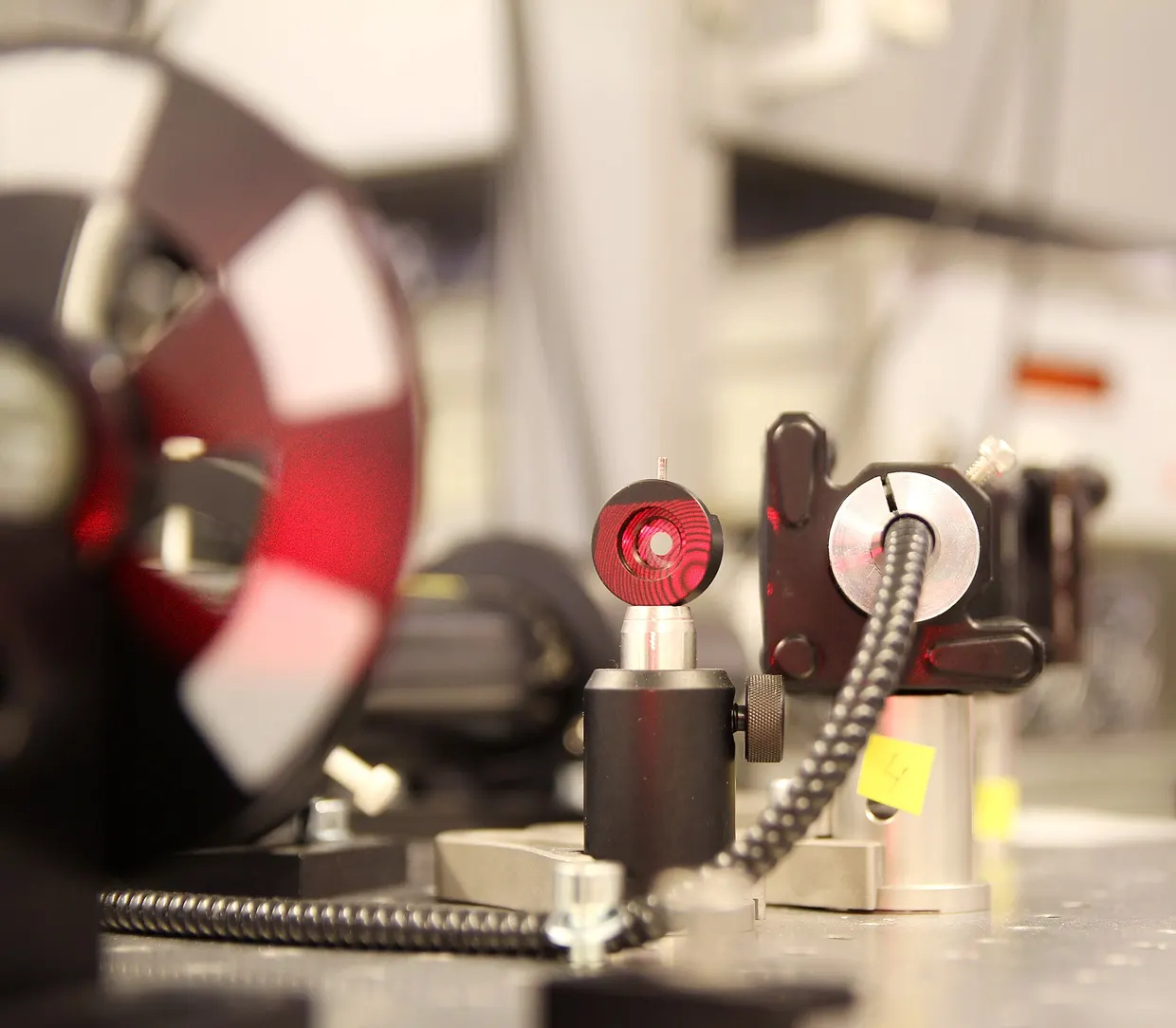
A team from Saint Louis University (SLU), the Max Born Institute and Humboldt-Universität zu Berlin has reported numerical experiments in which quantum light thermalizes inside multimode nonlinear optical systems. The work was published in Science Advances. The results are computational; no physical experiment is described. science.org
Science Advancesscience.orgOpen source ↗
The authors are Şahin K. Özdemir, Ramy El-Ganainy and Armando Perez-Leija from SLU, Fouad Chahrour from the Max Born Institute and Humboldt University, and Kurt Busch from the Institute of Physics at Humboldt University and the Max Born Institute.
Quantum light next to a classical field
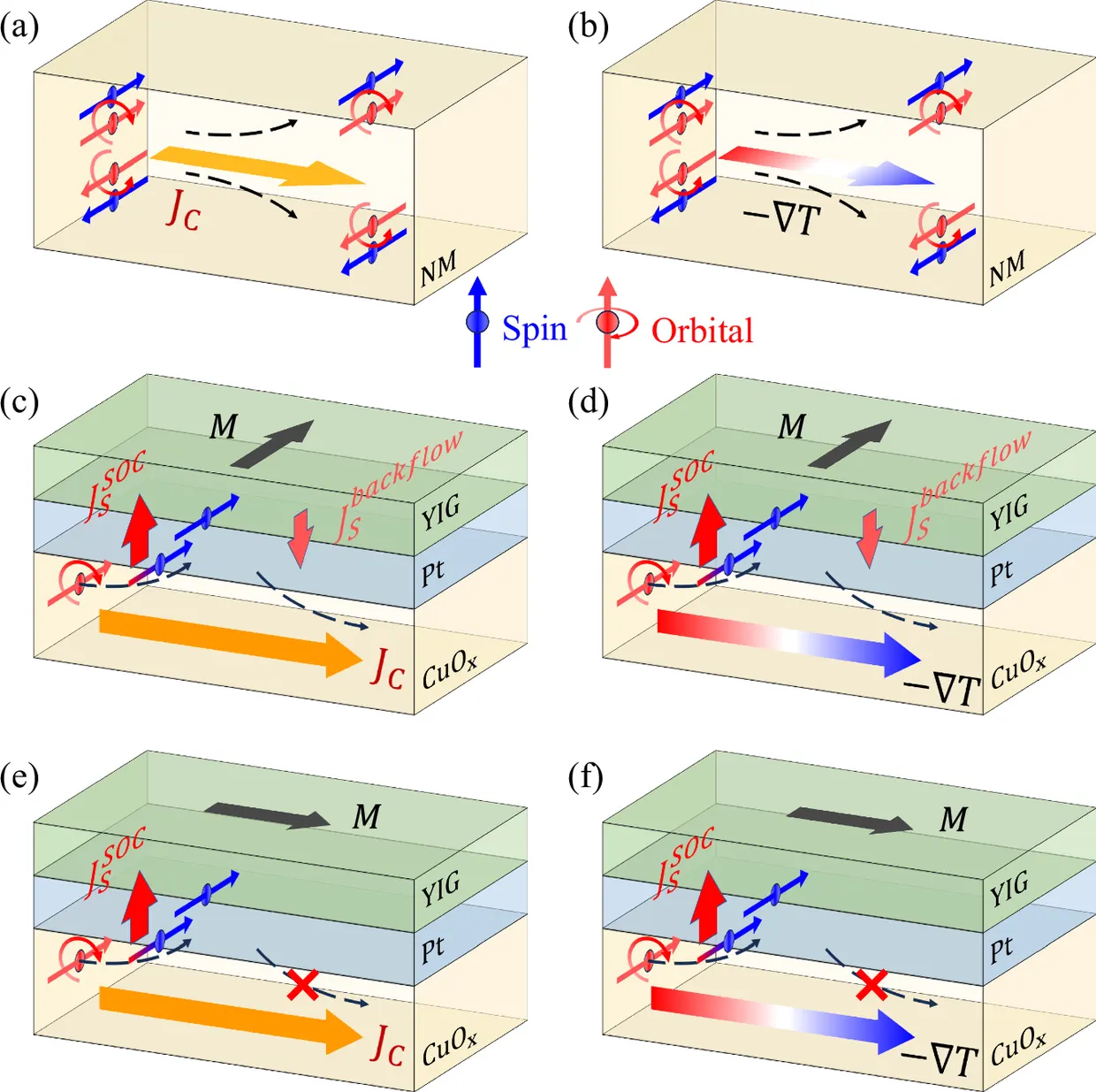
Photons carry information with high coherence and at the speed of light, but they do not interact with each other directly. The team considered a different arrangement: quantum light propagates alongside relatively intense classical light fields in a multimode nonlinear system.
In the simulations, the nonlinear dynamics of the classical light induced effective quantum interactions between photons. Single- and two-photon states in such systems neither kept their initial state nor simply lost coherence. They thermalized. science.org
Science Advancesscience.orgOpen source ↗
Rayleigh-Jeans and Boltzmann statistics
The thermalization showed up as the emergence of Rayleigh-Jeans and Boltzmann statistical distributions. According to Perez-Leija, the intense classical wave dynamics mediate the interactions and link macroscopic nonlinear optics with microscopic quantum mechanics.
The authors state that the method relies on standard classical optical structures rather than single-photon nonlinear materials, which are difficult to fabricate and scale. In their view, this gives a controllable testbed for open quantum systems and many-body thermodynamics.
The paper also says the approach makes it possible to study a broader range of complex quantum phenomena, including aspects of quantum phase transitions, in readily accessible classical optical settings. science.org
Science Advancesscience.orgOpen source ↗
The study is described as peer-reviewed, and its method as computational simulation and modelling. The material does not report photon numbers, system sizes or parameters of the simulated structures.