Rush: third blind person receives visual cortex implant with 34 stimulators and 544 electrodes
Surgeons at Rush University Medical Center placed an experimental implant in a third person with total blindness. How much useful sight it gives has not yet been shown.
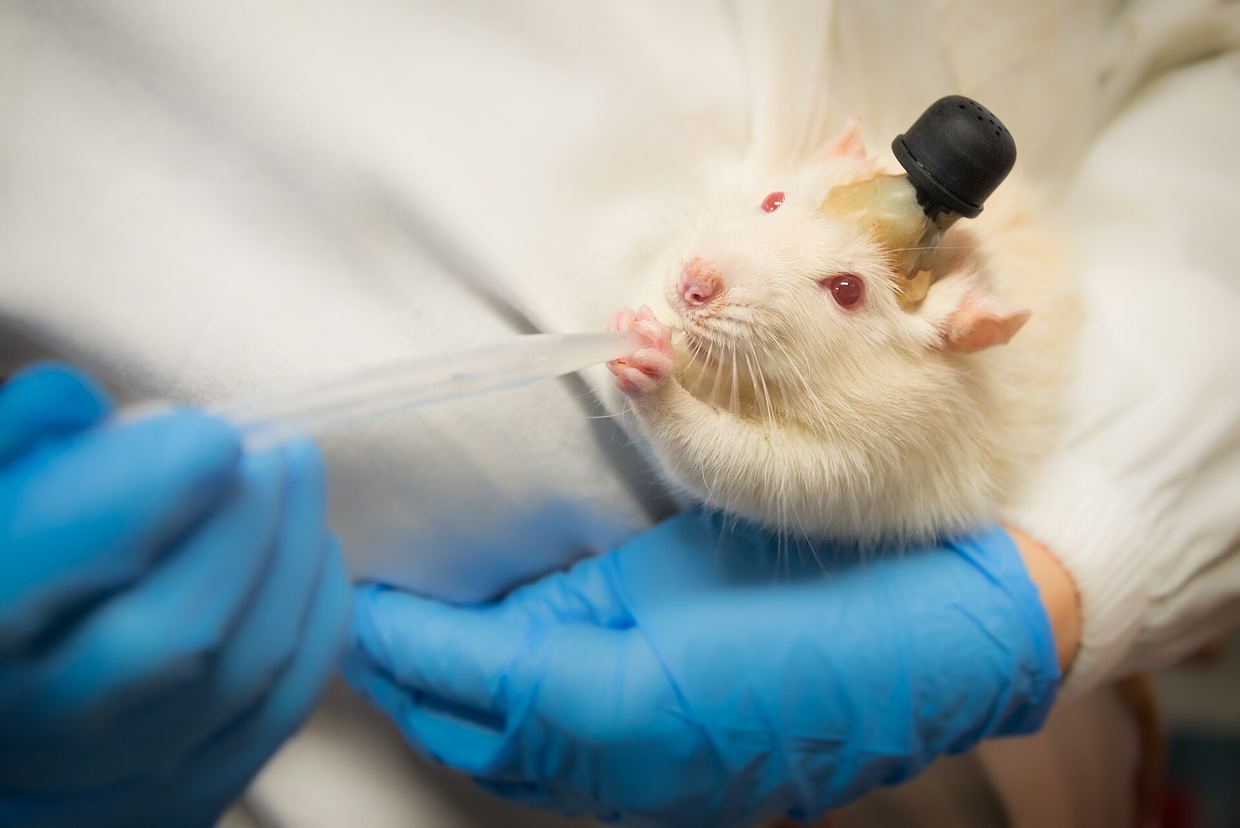
Surgeons at Rush University Medical Center have placed an experimental vision implant in a third person with total blindness, knowridge.com reports. The latest procedure placed 34 wireless stimulators with a total of 544 electrodes. knowridge.com
knowridge.comknowridge.comOpen source ↗ The study is ongoing, and researchers have yet to show how much useful sight the device can provide.
knowridge.com
knowridge.comknowridge.comOpen source ↗
How the visual cortex implant works
The device is designed for people who lost vision after having sight earlier in life. It bypasses the retina and the nerves that ordinarily carry signals from the eyes to the brain. knowridge.com
knowridge.comknowridge.comOpen source ↗ Instead, tiny wireless stimulators send signals directly to the visual cortex, the part of the brain that normally processes what the eyes see.
knowridge.com
knowridge.comknowridge.comOpen source ↗
The research team is led by Illinois Institute of Technology engineer Philip Troyk and has spent nearly three decades developing the approach. Neurosurgeons at Rush helped refine the procedure before the device was used in people. knowridge.com
knowridge.comknowridge.comOpen source ↗ The stimulators are designed to stay in place. This gives researchers time to test how the device performs and gives recipients time to learn whether the signals help with everyday tasks.
knowridge.com
knowridge.comknowridge.comOpen source ↗
Study design and open questions
The study asks whether the signals give people enough visual information to find their way around or to carry out basic tasks that normally rely on sight. For a person with total blindness, even a limited ability to perceive light could be useful, depending on how consistently it works. knowridge.com
knowridge.comknowridge.comOpen source ↗
The team is seeking volunteers who lost their sight as adults and had normal or nearly normal vision for at least their first 10 years. The study plans about a month of recovery after surgery, followed by one to three years of observation, depending on when the device was implanted. knowridge.com
knowridge.comknowridge.comOpen source ↗
These eligibility rules mean the study will not answer whether the same approach works for people who have been blind since birth. A successful operation establishes that the device could be placed, not that it has restored useful vision. The next test comes after recovery, when researchers can see whether people can use the signals reliably outside a single demonstration. knowridge.com
knowridge.comknowridge.comOpen source ↗