Korean and Mongolian archaeologists recover 413 artifacts from Xiongnu tomb No. 160 in Mongolia
Tomb No. 160 at Dorlig Nars yielded items resembling Han and Nakrang pieces, plus a glass cup that may come from the Roman Empire. Analysis of the finds is still ahead.
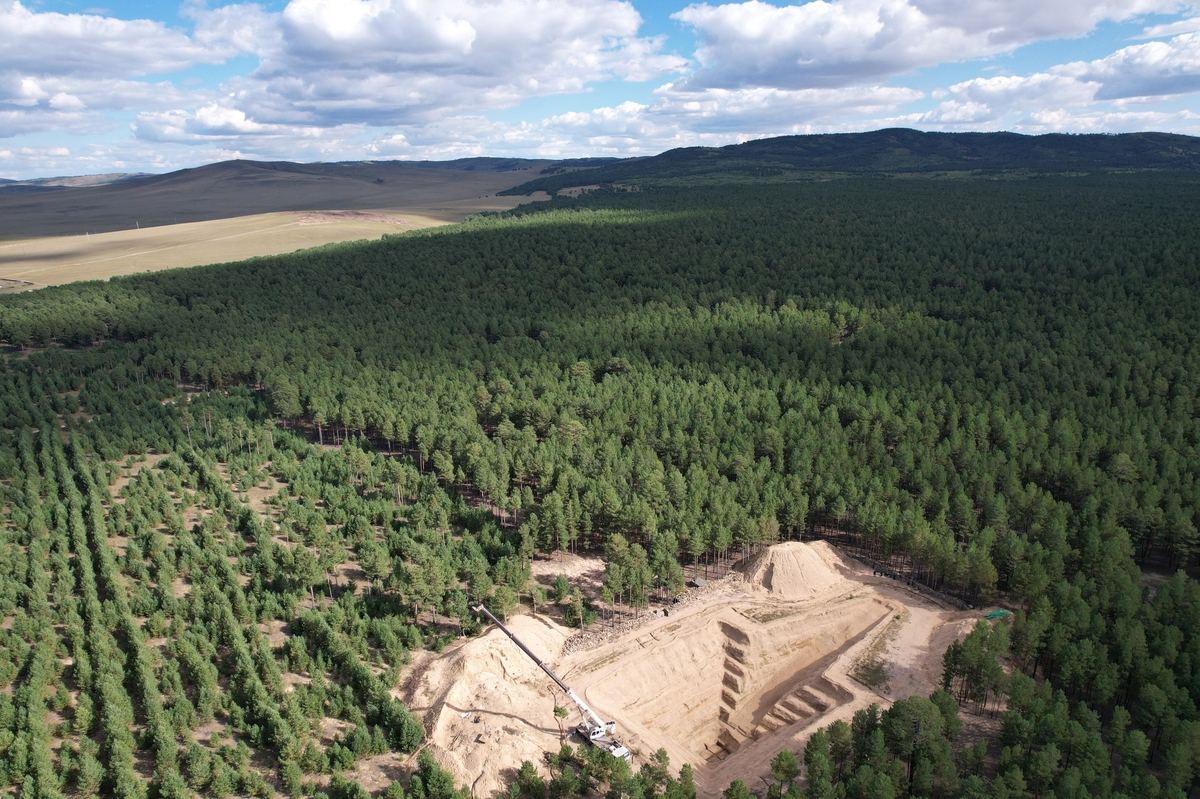
The National Museum of Korea, together with the Institute of Archaeology of the Mongolian Academy of Sciences and the National Museum of Mongolia, has excavated tomb No. 160 at the Dorlig Nars site in eastern Mongolia. According to yna.co.kr, the work ran for about four years from 2023 and produced 413 artifacts, which the museum announced on 6 November yna.co.kr
yna.co.kryna.co.krOpen source ↗. The museum describes the tomb as the largest Xiongnu tomb identified in Mongolia. The team removed the stone fill down to a depth of 14.5 m to establish the structure
yna.co.kr
yna.co.kryna.co.krOpen source ↗.
Finds that point to long-distance exchange
A silver horse ornament was made by hammering thin silver plate into a gourd shape. It resembles a Nakrang-type item from tomb No. 219 at Seokam-ri in Pyongyang, which the museum holds in its collection yna.co.kr
yna.co.kryna.co.krOpen source ↗. A round gold ornament, with rock crystal set over gold foil and red and blue material, is the first of its kind found in a Xiongnu tomb
yna.co.kr
yna.co.kryna.co.krOpen source ↗.
Fifteen jade pieces lay stacked on the coffin floor. They are presumed to derive from the bi discs that the Han used in burials, but their surfaces carry fine carved patterns. A museum official said this suggests the Xiongnu adopted Han funeral customs while changing the form yna.co.kr
yna.co.kryna.co.krOpen source ↗.
A transparent glass cup with a handle may have been made in a region of the Roman Empire. The museum plans scientific analysis, including composition tests, to establish where it was made. The museum says the finds show that the Xiongnu were linked to an exchange network stretching from Rome to the Korean Peninsula yna.co.kr
yna.co.kryna.co.krOpen source ↗.
Structure and dating of the tomb
Including the passage running south, the tomb is about 73 m long. The ground was cut down in steps and then filled with stone in nine stages yna.co.kr
yna.co.kryna.co.krOpen source ↗. A lacquered carriage was buried above the center, which the museum official called a sign of high status. The central burial area is small and shallow.
The tomb dates to the late 1st to 2nd century AD, a period when Xiongnu power was declining. Teeth and hair found inside the coffin will be analyzed later. The results were to be presented on 6–7 November at the 50th meeting of the Korean Archaeological Society in Gangneung, and the museum plans to publish a report yna.co.kr
yna.co.kryna.co.krOpen source ↗.