Adelaide University: DNA enhancer HRR INT3 helps androgen receptor restrain ER+ breast cancer cells
In breast and prostate cancer cell models, deleting the HRR INT3 enhancer weakened androgen receptor growth suppression, while changing ZBTB16 levels alone did not.
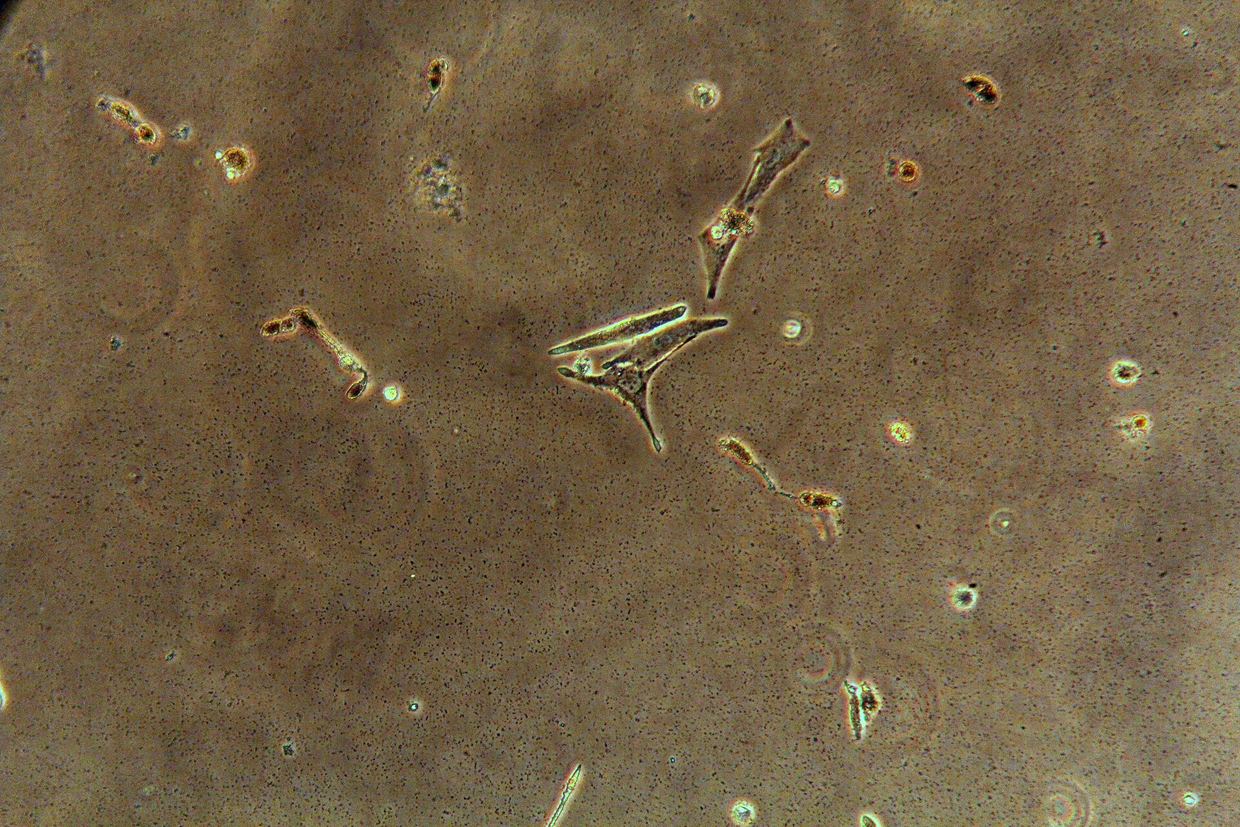
Researchers at Adelaide University's School of Medicine, the South Australian immunoGENomics Cancer Institute (SAiGENCI) and SAHMRI, together with colleagues at the University of Bordeaux, identified a regulatory DNA region that supports the tumour-suppressor activity of the androgen receptor (AR) in oestrogen receptor-positive (ER⁺) breast cancer. The work, done in cell models and clinical specimens, was published in npj Breast Cancer doi.org
npj Breast Cancerdoi.orgOpen source ↗. According to the university's release, up to 80% of breast cancers are ER⁺.
ZBTB16 expression and the androgen receptor
The AR represses cell cycle genes and restrains proliferation in ER⁺ breast cancer. The team had earlier proposed ZBTB16 as a candidate gene regulated by the AR. In clinical cohorts, ZBTB16 mRNA was lower in breast tumours than in normal tissue, and higher expression correlated with better survival in ER⁺ disease doi.org
npj Breast Cancerdoi.orgOpen source ↗. Androgen treatment raised ZBTB16 protein in ER⁺ breast cancer cell lines
doi.org
npj Breast Cancerdoi.orgOpen source ↗.
However, knockdown or overexpression of ZBTB16 did not detectably change the anti-proliferative effect of the AR in the models tested doi.org
npj Breast Cancerdoi.orgOpen source ↗. "The surprising finding was that ZBTB16 itself was not responsible for the growth-suppressing effect," said Dr Amy Dwyer of Adelaide University.
The HRR INT3 enhancer
The AR bound a conserved hormone response region in intron 3 of the ZBTB16 locus, named HRR INT3, in breast cancer models and clinical specimens. Binding was accompanied by androgen-dependent H3K27ac enrichment, consistent with an AR-responsive enhancer doi.org
npj Breast Cancerdoi.orgOpen source ↗.
Using CRISPR/Cas9, the researchers deleted HRR INT3. The deletion prevented AR-dependent induction of ZBTB16, impaired AR-mediated growth suppression and attenuated activation of canonical AR target genes doi.org
npj Breast Cancerdoi.orgOpen source ↗. Baseline proliferation increased in breast and prostate cancer cells, with upregulation of E2F targets
doi.org
npj Breast Cancerdoi.orgOpen source ↗. The authors describe HRR INT3 as a lineage-conserved enhancer contributing to AR-mediated tumour suppression across AR⁺ cancers
doi.org
npj Breast Cancerdoi.orgOpen source ↗.
"This tells us that the enhancer is doing much more than simply controlling ZBTB16," said co-author Dr Zeyad Nassar of SAiGENCI and SAHMRI. The researchers note that treatments activating the AR are already being investigated for advanced ER⁺ breast cancer, and say that understanding the molecular machinery behind the effect is important.