UNLV startup WAVR develops hydrogel device to harvest water from air, trial systems shipped
WAVR Technologies, a UNLV spinoff, says its patent-pending device collects over five times more water from air than existing methods and works down to 10% humidity.
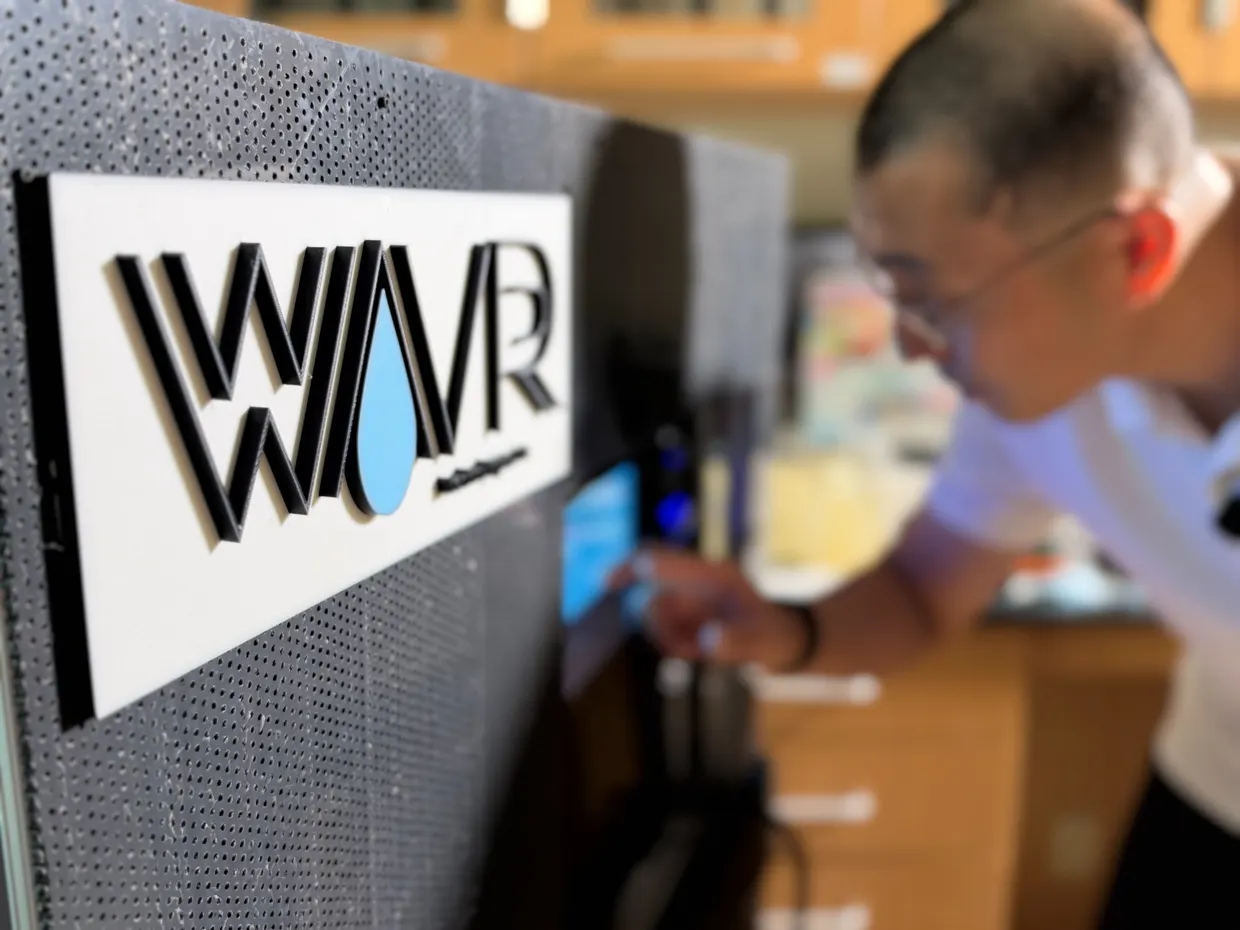
WAVR Technologies, Inc., a startup from the University of Nevada, Las Vegas (UNLV), is commercializing a patent-pending device for atmospheric water harvesting, according to unlv.edu. unlv.edu
unlv.eduunlv.eduOpen source ↗ The company was co-founded by UNLV engineering professor H. Jeremy Cho, who came to UNLV from Princeton in 2021. It is led by CEO Rich Sloan. WAVR is described as the first university spinoff from the National Science Foundation (NSF) Regional Innovation Engines program.
Cho says the system captures over five times more water from air than any existing technology and works down to 10% humidity, which makes it practical for the dry Southwest. He also notes that Clark County uses hundreds of millions of gallons of water per day, an amount he compares to the water contained in the first 30 feet of air above the county.
Hydrogel membranes and waste heat
Cho's lab studied hydrogel membranes exclusively for two years. He describes a hydrogel as a kind of giant rubbery contact lens that screens out impurities in air while absorbing water and letting it pass. The design was inspired by tree frogs, which absorb water through their skin.
The company has since set up a commercial development lab, filed additional patents and hired staff. According to Sloan, trial systems have been shipped to customers and are producing pure water every day. A recent NSF grant of $305,000 will support a new technique, patented by UNLV, that uses low-grade waste heat only a few degrees above ambient to power the process. unlv.edu
unlv.eduunlv.eduOpen source ↗ The company also says that data centers could use their own waste heat to produce as much water as they would with evaporative cooling.
Targets and plans
WAVR is initially targeting the largest water consumers, such as irrigation and cooling towers. A cooling tower uses on the order of thousands of gallons per day, and the company aims for comparable output. The systems will be assembled in Las Vegas and first designed for municipal needs, the food and beverage industry, medical therapeutics and distilled water applications.
Anticipated clients include a Fortune 50 beverage company and a Fortune 500 medical company. A fully functional prototype was planned for the end of 2025, and UNLV plans to install WAVR units on campus as soon as 2027. Sloan says portable, home and vehicle-based versions may follow later.