University of Utah Health: blocking AEBP1 in mice limits cardiac scarring and preserves heart function
Suppressing the AEBP1 protein in fibroblasts prevented pathological remodeling in mouse models of heart injury. Human heart tissue cultures responded to changes in AEBP1 level as well.
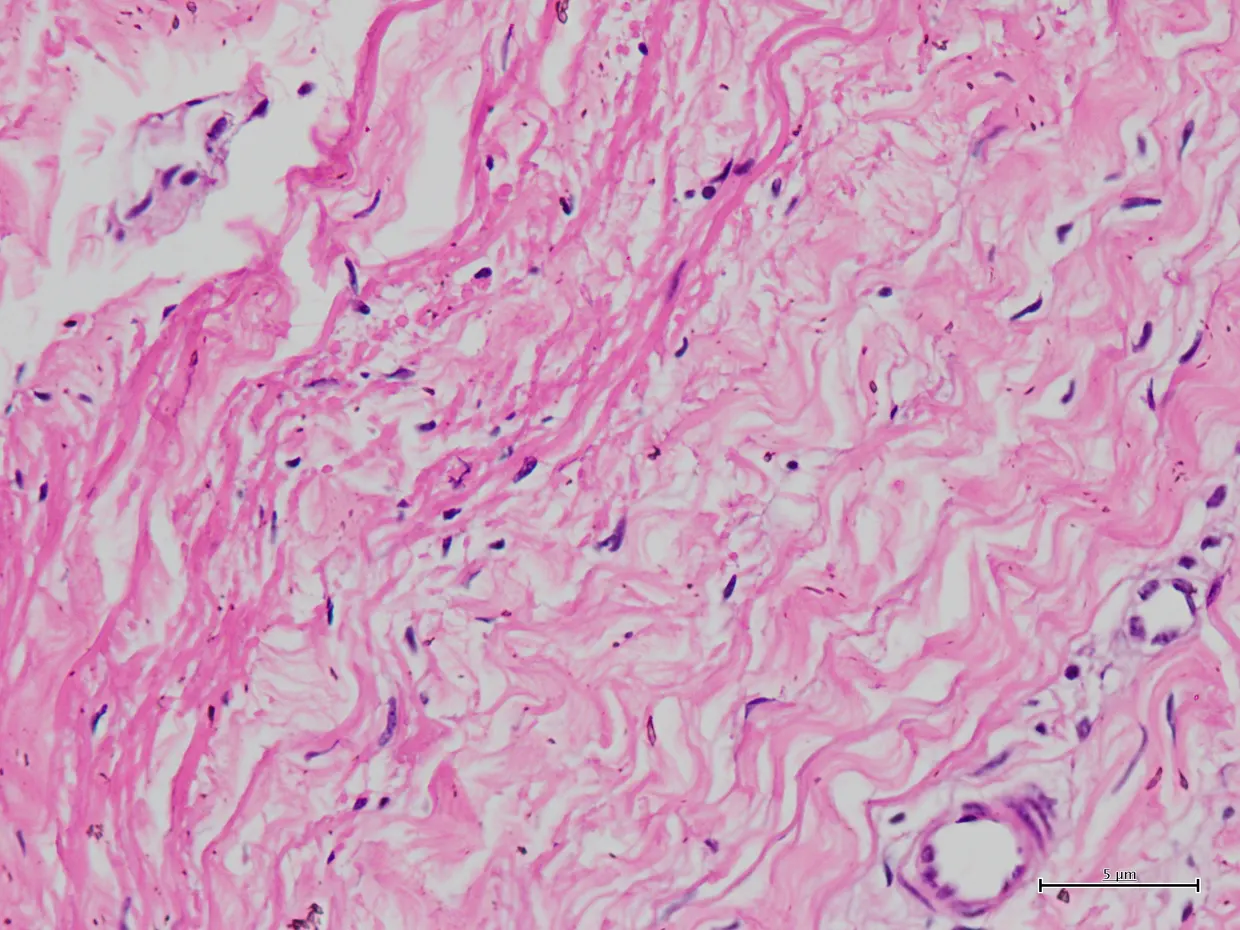
A team from the Nora Eccles Harrison Cardiovascular Research and Training Institute at the University of Utah reported that the AEBP1 gene mediates myocardial fibrosis and adverse cardiac remodeling. The work, published in Nature Communications and available on nature.com, combines mouse models with cultures of human myocardial tissue nature.com
nature.comnature.comOpen source ↗. The first author is Thirupura Shankar.
Effect in mouse models
Persistent activation of cardiac fibroblasts leads to excessive deposition of extracellular matrix, which promotes fibrosis, adverse remodeling and progression of heart failure. In murine models of myocardial ischemia and pressure-overload injury, fibroblast-specific knockout or myocardial knockdown of Aebp1 significantly improved cardiac function and prevented pathological remodeling, according to the authors.
In the heart attack model, lowering AEBP1 in fibroblasts after the injury gave significantly better heart function four weeks later. When AEBP1 was lowered after heart failure had already progressed, heart function did not improve. The authors conclude that blocking the protein can prevent unhealthy scarring but not reverse it.
Human tissue and mechanism
The researchers found that the AEBP1 gene is more active in the hearts of people with advanced heart failure. The protein it encodes is highest around areas of heart injury.
In human myocardial tissue cultures, overexpression of ACLP, the full-length protein encoded by AEBP1, induced pathological remodeling in non-failing hearts. In healthy tissue, raising AEBP1 changed the appearance of heart cells in ways that resemble heart failure. Knockdown of AEBP1 in failing myocardium from heart failure patients induced structural reverse remodeling: the cellular architecture looked healthier and the level of scarring decreased nature.com
nature.comnature.comOpen source ↗.
Mechanistically, ACLP regulates the expression of MRTFB, RUNX2, SM22 and COL1A1, which orchestrate fibroblast activation. The authors identify inhibition of AEBP1 as a potential anti-fibrotic approach after acute injury.
Shankar said that more research and long-term studies are needed, but that AEBP1 has potential as a therapeutic target to suppress or slow heart failure progression. The results were obtained in mice and in human tissue cultures; no treatment has been tested in patients.