University of Tokyo team finds dominant symbiont with 649,000-base genome in deep-sea sea pigs
Researchers described Candidatus Abyssoplasma scotoplanesicola, which made up over 70% of bacterial 16S sequences in sea pig body walls and carries unusually long surface proteins.

Researchers at the University of Tokyo have described a bacterium living beneath the skin of deep-sea sea pigs, a type of sea cucumber, according to a release published on EurekAlert on 11 November 2026 eurekalert.org
EurekAlerteurekalert.orgOpen source ↗. The team named it Candidatus Abyssoplasma scotoplanesicola. Its genome is only 649,000 bases, and more than a quarter of it encodes surface-associated proteins.
Sampling and localization
A multi-institutional team in Japan extracted DNA from various tissues of eight sea pigs collected during deep-sea expeditions. The researchers determined which bacteria were abundant in different parts of the body, reconstructed the genomes of the dominant types, and used fluorescence imaging to locate the bacteria in host tissue.
In body-wall samples from three sea pig species, one bacterium accounted for more than 70% of bacterial 16S rRNA gene sequences, a genetic marker used to identify bacteria, said lead author Yu Yoshida. The bacterium belongs to a lineage of symbionts associated with marine invertebrates but differs substantially from known types. The authors therefore propose a new genus and species.
Reduced genome, giant proteins
The E. coli genome is approximately seven times larger than that of the new bacterium, Yoshida said. Genes for some energy-generating pathways commonly found in bacteria were not detected eurekalert.org
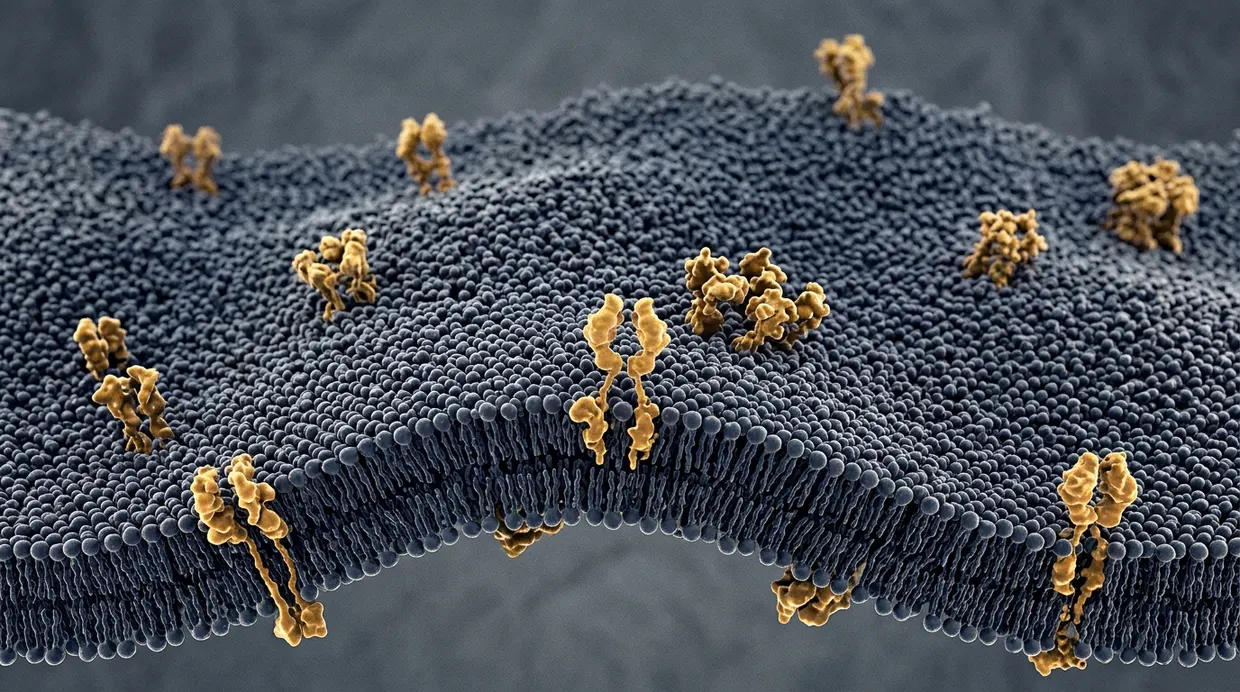
EurekAlerteurekalert.orgOpen source ↗. Genes for surface-associated protein groups make up 27.6% of the genome. They include proteins longer than 5,000 amino acids, whereas bacterial proteins average about 300. The authors suggest these proteins may serve interactions with host tissues or bacterial aggregation.
Based on the genome, the bacterium is thought to rely on host tissues for amino acids, nucleic acid precursors, lipids and mineral nutrients. What the sea pigs gain from the relationship is currently unknown. A role in protecting the host from pathogens is possible but not confirmed.
The authors want to understand how the bacterium became so dominant in the body wall, what the giant surface proteins do, what competition it faces from other bacteria and how it affects the host. The work is an observational study published in ISME Host Microbe (DOI 10.1093/ismehm/aazag018).