Catholic University of Korea team builds 3D co-culture platform for gut microbes and host cells
The platform, developed with Ewha Womans University, keeps oxygen-dependent human cells and anaerobic gut bacteria in separate layers of one culture system.
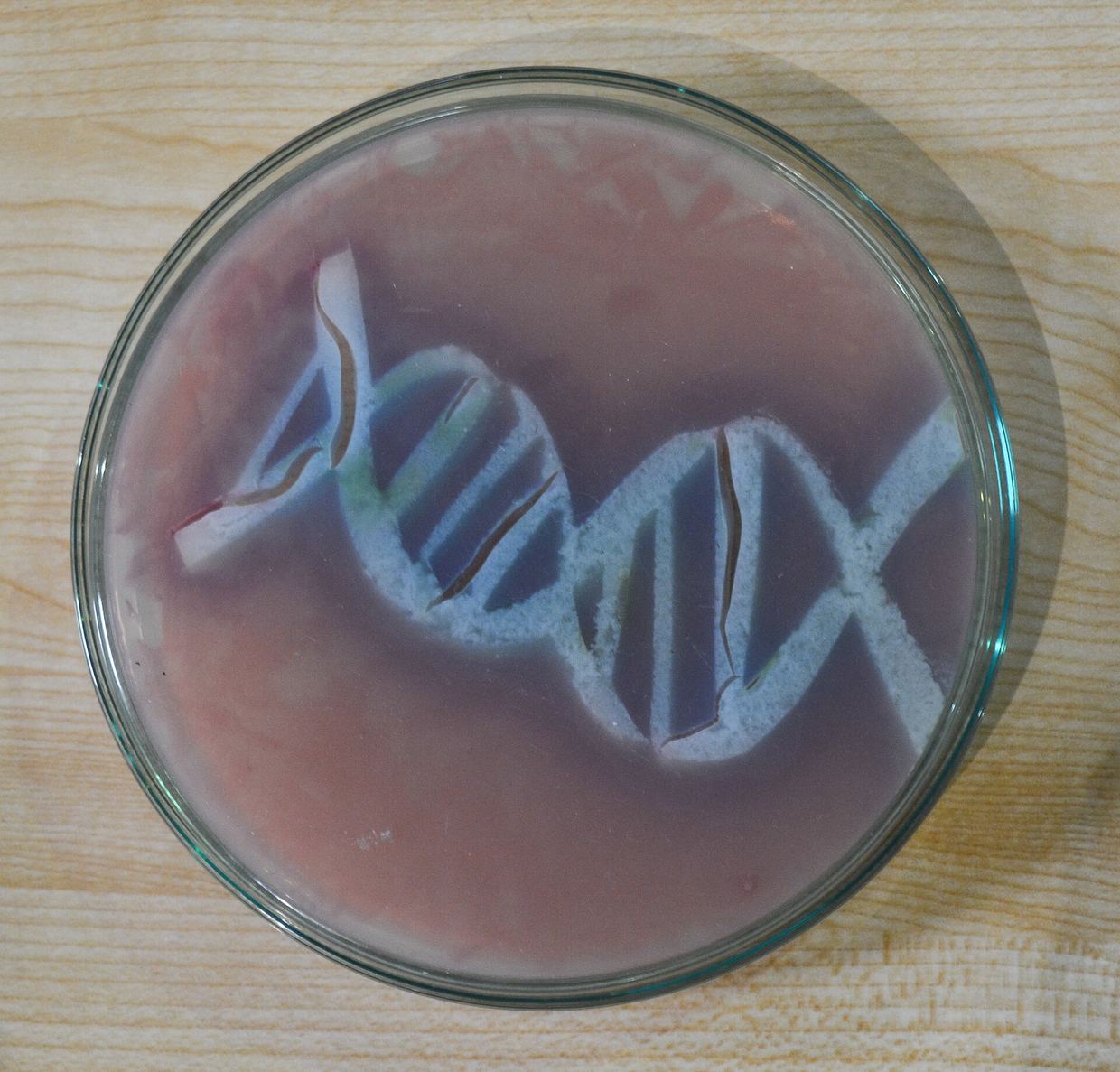
A team led by Professor Kang Nam-joo at the Catholic University of Korea, with Professor Kim Bong-soo's group at Ewha Womans University, developed a three-dimensional co-culture platform that mimics the human colon to study interactions between gut microbes and host cells, unimatea.co.kr reports. unimatea.co.kr
unimatea.co.krunimatea.co.krOpen source ↗ The work was published on October 23 in Gut Microbes (2025 JCR impact factor 15.3, top 5.4% in microbiology).
unimatea.co.kr
unimatea.co.krunimatea.co.krOpen source ↗
Limits of existing models
Human cells need oxygen, while anaerobic gut microbes are oxygen-sensitive, so stable joint culture has been difficult in conventional models. unimatea.co.kr
unimatea.co.krunimatea.co.krOpen source ↗ Gut organoids and gut-on-a-chip systems reproduce tissue structure and control the microenvironment well, but co-culturing anaerobes with immune cells may require extra techniques or equipment.
unimatea.co.kr
unimatea.co.krunimatea.co.krOpen source ↗
Platform design
The platform, Mm 3D-HaeMan (Mucosal Mimetic 3D–Host Aerobic Microbiota Anaerobic Co-culture), reproduces the colon's oxygen gradient and mucus layer. unimatea.co.kr
unimatea.co.krunimatea.co.krOpen source ↗ Epithelial cells, immune cells and anaerobic microbes occupy spatially separate layers, each under suitable conditions, and interact via metabolites and signaling molecules.
unimatea.co.kr
unimatea.co.krunimatea.co.krOpen source ↗ It runs on general-purpose culture equipment, and each layer can be sampled independently, so gene expression and metabolism of host cells and microbes can be analyzed simultaneously.
unimatea.co.kr
unimatea.co.krunimatea.co.krOpen source ↗
Test with two bacteria
The team analyzed cross-feeding between Bifidobacterium bifidum and Anaerostipes caccae. Co-culture increased production of butyrate, a short-chain fatty acid important for gut health. unimatea.co.kr
unimatea.co.krunimatea.co.krOpen source ↗ With host cells, the authors observed higher mitochondrial respiration in epithelial cells, preserved barrier-related function and altered immune cytokine responses.
unimatea.co.kr
unimatea.co.krunimatea.co.krOpen source ↗ Joint transcriptome analysis showed that microbial metabolic gene expression depended on the presence of host cells.
unimatea.co.kr
unimatea.co.krunimatea.co.krOpen source ↗