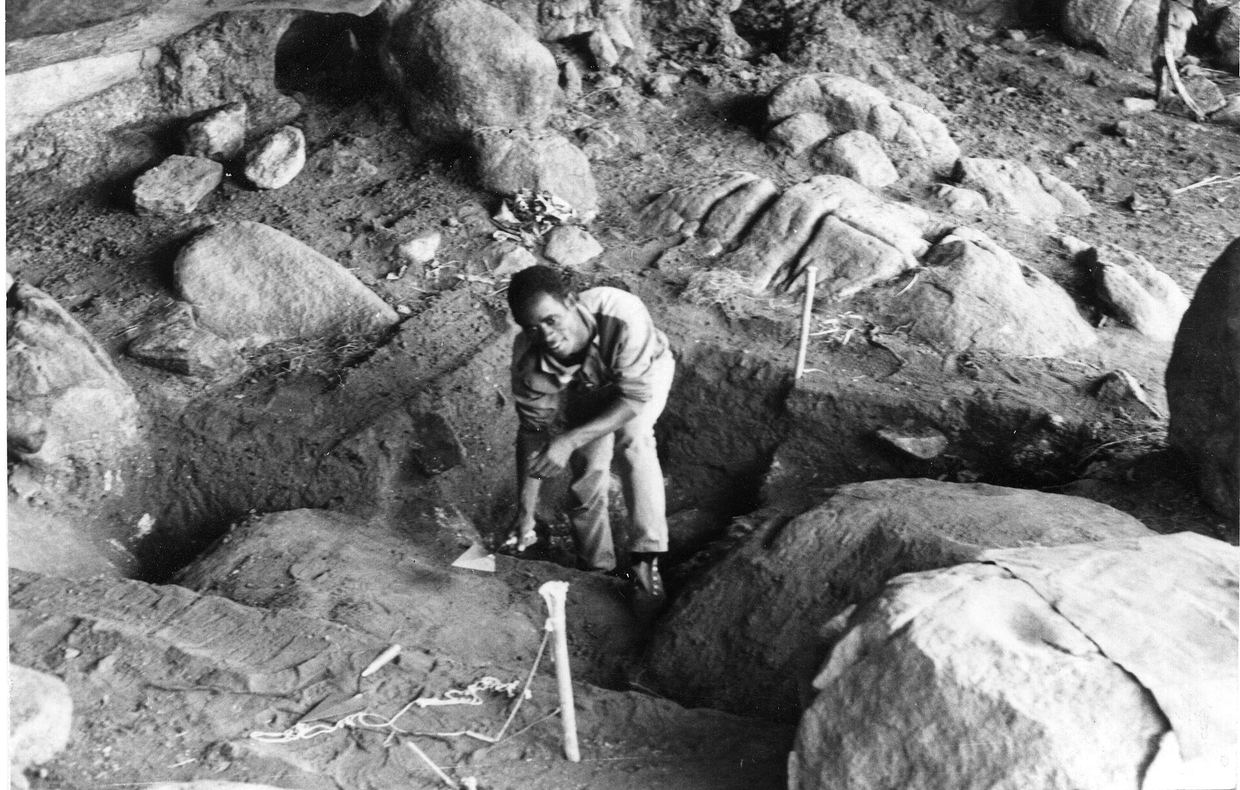
Cannabis seeds and hair traces in a Scythian tomb in Tyva date to the early eighth century B.C.
Researchers found about 1,000 cannabis seeds in a Scythian princely tomb in Tyva, and hair analysis points to cannabis use. It is the oldest directly dated evidence of its intoxicating use.
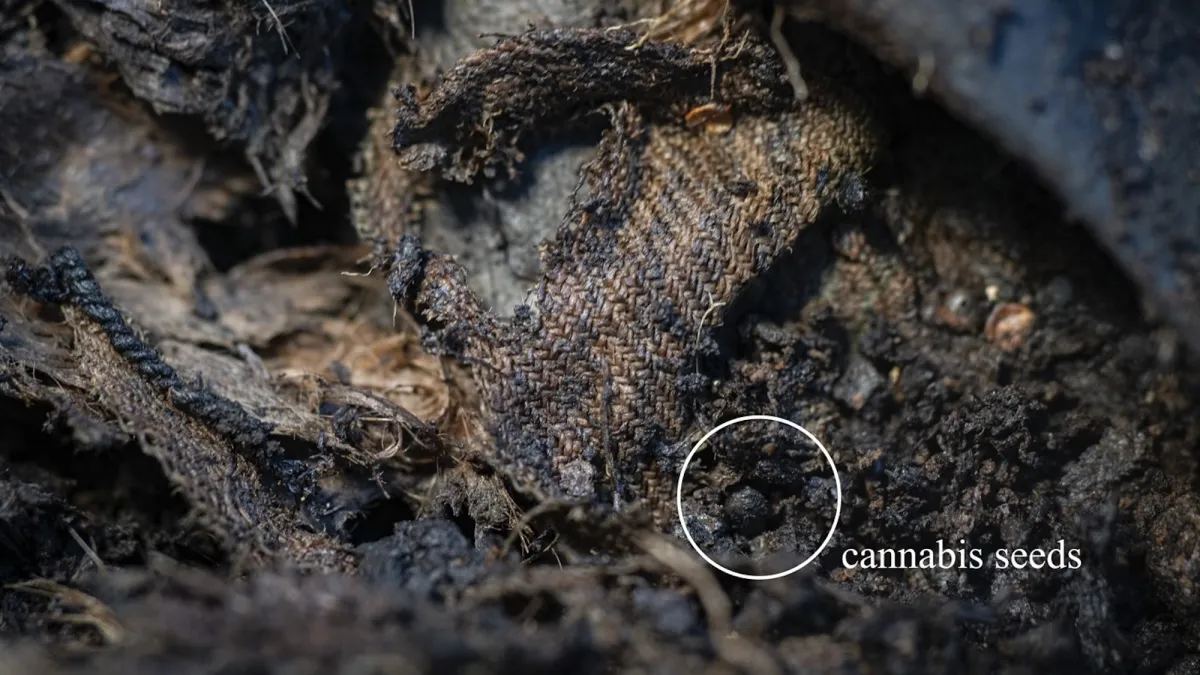
An international team led by Gino Caspari of the Institute of Archaeological Sciences at the University of Bern and the Max Planck Institute of Geoanthropology has studied a princely tomb of high-ranking Scythians in the South Siberian Republic of Tyva, according to eurekalert.org. About 1,000 cannabis seeds were recovered from it eurekalert.org
eurekalert.orgeurekalert.orgOpen source ↗. Six seeds were directly radiocarbon dated. Together with other dating results, this indicates that the seeds were placed in the grave in the early eighth century B.C.
eurekalert.org
eurekalert.orgeurekalert.orgOpen source ↗ The study was published in the journal Science.
The Scythians were a horse-riding culture of the Eurasian steppe. Flowers, leaves and resins of cannabis are perishable and rarely survive, so it is hard to establish archaeologically how the plant was used. According to Caspari, the seeds show that cannabis played an important role in the rituals surrounding the burial eurekalert.org
eurekalert.orgeurekalert.orgOpen source ↗.
Hair analysis and its limits
The team also examined preserved human hair from the central burial chamber. In several samples the researchers found clear signals consistent with cannabinol (CBN), which is produced, among other things, by the oxidation of tetrahydrocannabinol (THC), the main intoxicating compound of cannabis eurekalert.org
eurekalert.orgeurekalert.orgOpen source ↗. They also detected weak signals that, based on their mass, are consistent with THC. Among other methods, high-resolution mass spectrometry was used.
The seeds likely come from wild plants, and their presence in a grave does not by itself prove psychoactive use. The hair analyses indicate cannabis use but do not allow a reliable estimate of the amount consumed or the route of intake. Later sites in Central Asia have yielded cannabinoid residues in vessels and on heated stones, which clearly indicate inhalation.
Ritual context and next steps
According to Caspari, the burials in this tomb were accompanied by extensive horse sacrifices and, most likely, human sacrifices. An earlier publication by the team described the remains of 18 horses arranged on the burial mound. Since then, several dozen additional horse sacrifices and scattered human bones have been found.
The authors describe the findings as the oldest directly dated archaeological evidence of cannabis use for its intoxicating properties eurekalert.org
eurekalert.orgeurekalert.orgOpen source ↗. The results say nothing about the THC content of the plants of that time, and it remains unknown whether they were selected or cultivated for higher levels of active compounds. The team has begun sequencing some of the plant samples. Caspari says DNA preservation is excellent, which should help trace the domestication and spread of the crop.
Sources · 2
Found a mistake?Read also