Incendiamoeba cascadensis, a new amoeba, divides at 63°C in a California hot spring
Researchers led by Angela Oliverio found a eukaryote in Lassen Volcanic National Park that grows at 63°C, above the 60°C limit long assumed for such organisms.
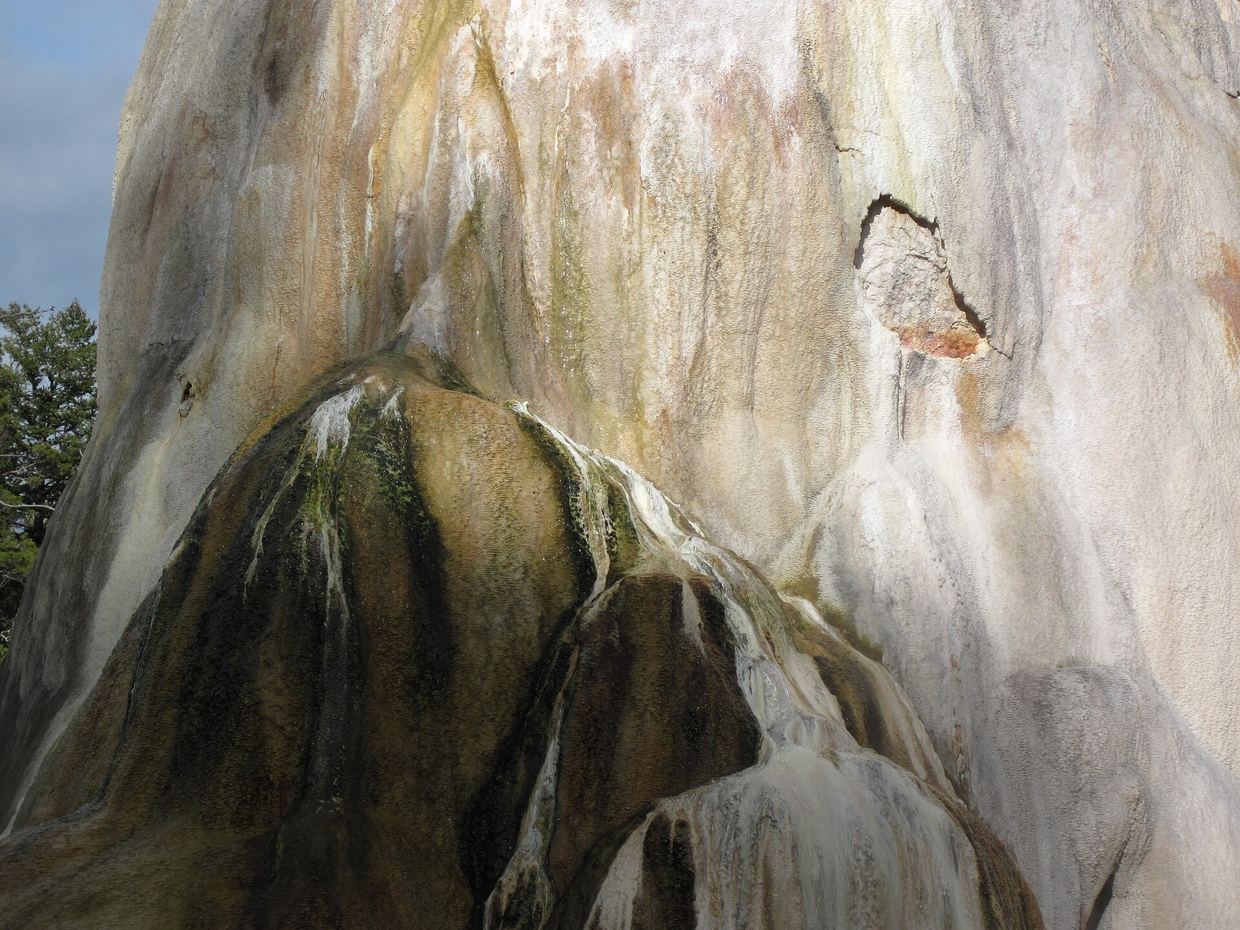
American researchers have found an amoeba in a geothermal spring in Lassen Volcanic National Park, California, that lives and reproduces at 63°C, Kursor reports, citing Science Alert. cursorinfo.co.il
Курсорcursorinfo.co.ilOpen source ↗ The organism was named Incendiamoeba cascadensis, the "fire amoeba of the Cascades".
cursorinfo.co.il
Курсорcursorinfo.co.ilOpen source ↗
Heat limit for eukaryotes
Eukaryotes are organisms whose cells contain a formed nucleus and organelles. The group includes animals, plants, fungi and protists. Until now they were considered highly sensitive to strong heat, and 60°C was regarded as their upper temperature limit. cursorinfo.co.il
Курсорcursorinfo.co.ilOpen source ↗
Prokaryotes, meaning bacteria and archaea, tolerate much harsher conditions. The archaeon Methanopyrus kandleri, which lives near deep-sea hydrothermal vents, stays viable at 122°C. cursorinfo.co.il
Курсорcursorinfo.co.ilOpen source ↗ For eukaryotes, the discovery of the Cascade amoeba moves the previously accepted boundary of heat tolerance.
cursorinfo.co.il
Курсорcursorinfo.co.ilOpen source ↗
Laboratory tests of endurance
In laboratory experiments, a team led by biologist Angela Oliverio determined the limits of the new species. At 63°C the amoeba continued asexual division (mitosis). Above this threshold, cell growth stopped completely. cursorinfo.co.il
Курсорcursorinfo.co.ilOpen source ↗
At temperatures above 64°C the organism entered a protective state: it curled its single-celled body into a dense ball and formed a cyst. cursorinfo.co.il
Курсорcursorinfo.co.ilOpen source ↗ After brief exposure to 70°C, the amoeba was able to recover and return to normal growth once cooled to 60°C.
cursorinfo.co.il
Курсорcursorinfo.co.ilOpen source ↗
The absolute lethal limit for the species was 80°C, after which cellular structures are destroyed irreversibly. cursorinfo.co.il
Курсорcursorinfo.co.ilOpen source ↗ The researchers suggest that other eukaryotes capable of surviving even higher temperatures may be hiding in unexplored corners of the planet.
cursorinfo.co.il
Курсорcursorinfo.co.ilOpen source ↗